Berkshires & Hudson Valley Heritage Travel Guide
The Complete Route: Antique Fields, Mill Towns & Historic Hotels from Brimfield to Mohonk
The Berkshires & Hudson Valley route is AVANT's first chapter in the Heritage Travel Series: nine days across western Massachusetts and New York, opening at the Brimfield Antique Show and closing at Mohonk Mountain House. In between: mill towns given a second life, a discreet Hudson Valley estate with a civil-rights history, a Catskills motel bought back by its own guests, and the antique fields and detours that connect them.
This guide is AVANT's field-tested overview of the route: where to stay at each stop, what to pack, the detours worth taking, and why heritage travel — places shaped by craftsmanship and preservation rather than trend — are still bankable in the age of the algorithm.
.SUMMARY
The Route at a Glance
Where to Stay for Brimfield: The Wellsworth
What to Pack Before You Go
Along the Mohawk Trail to North Adams
Troutbeck: A House Built for Conversation
Kingston: Antiques, Donuts & a Detour Worth Taking
The Graham & Co and the Catskills
Mohonk Mountain House: Journey's End
Before You Go: A Regional Reading List
The AVANT Heritage Collection (for Hotel Partners
If you tell someone you're travelling to the East Coast of the United States, chances are they'll assume you're heading to New York or Boston. And for good reason: world-class museums, landmark architecture, neighbourhoods rendered instantly recognisable by film and television. In many ways, these cities have become the obvious gateways to America.
But mention places like Brimfield, North Adams, Amenia, or Phoenicia, and you'll likely be met with raised eyebrows.
“Where exactly are you taking us?”
Welcome to the Northeast — not the Northeast of Manhattan skyscrapers and streets that move at a relentless pace, but another America. One found beyond the cities, where church steeples rise above Main Streets, where diners open before sunrise for antique dealers heading into muddy fields, and where former textile mills become museums instead of shopping centres. It is quieter. Less photographed. Far more revealing.
Because before Americana became a style, it was a place. This guide is where you'll find it.
Why AVANT Travels
Since our first issue, AVANT has explored objects built to last: work jackets faded by decades of labour, military garments repaired rather than discarded, boots whose patina tells the story of every mile walked. The more we travelled across the United States searching for those objects, the more we noticed the buildings around them were telling the same story: old mills, general stores, railroad hotels, roadside motels, each still standing for the same reason the finest vintage clothing survives. Someone believed it was worth saving.
That observation is the foundation of the AVANT Heritage Travel Series. Rather than recommending destinations because they are fashionable, we document places where preservation still shapes everyday life — hotels built inside buildings with previous lives, small towns reinventing themselves without erasing their past, landscapes where history isn't kept behind museum glass but continues quietly, as part of daily life.
There's a second reason we're doing this. Over the years, we've noticed that the people who collect AVANT's books and the people who show up at Brimfield before sunrise tend to be the same people — the same eye for a well-made object turns out to recognise a well-made room, a well-kept town, a hotel that hasn't sanded off its own history. Readers who share that aesthetic keep finding their way to the same handful of places, often without knowing the others had been there too. And they've asked us directly, more than once, where to stay, where to eat, what's worth the detour. This series is our answer — written the way we'd tell a friend, not the way a search engine would.
This first chapter follows that thread across western Massachusetts and New York's Hudson Valley: from the largest antique market in North America to one of the country's most storied historic hotels. It is less an itinerary than a study in continuity.
The Red Thread
Every AVANT journey follows a thread. Ours begins, as it almost always does, with vintage — at sunrise in Brimfield, Massachusetts, where three times a year a quiet stretch of Route 20 becomes the centre of the collecting world. As the road climbed north along the Mohawk Trail and south into the Hudson Valley, the same instinct kept resurfacing in unexpected forms: a row of Victorian mill workers' houses rescued from demolition, a 250-year-old estate turned into one of America's most discreet hotels, a roadside motel restored by the very guests who once stayed there, a mountain resort still run by the family that founded it 150 years ago.
Different buildings. Different stories. The same instinct: preservation.
Every destination in this series is read through five editorial lenses:
— Craft: the hand of the makers, designers, and restorers behind the walls.
— Community: who the place serves, and how it holds a town together.
— Continuity: what survived, and what was chosen to be carried forward.
— Curation: the eye behind the rooms, the tables, the details.
— Contrast: the tension between the raw and the refined that makes a place feel alive.
Over nine days, this itinerary covers roughly 250 miles — a distance that matters far less than what it passes through. The industrial brick of southern New England gradually gives way to forest; forest becomes mountain road; mountain road descends into river valley. Every transition feels like another chapter.
Resist the instinct to rush between stops. Pull over for the antique barn you hadn't planned to see. Follow the honesty-box maple syrup sign. The Northeast reveals itself to travellers willing to abandon efficiency.
The Route at a Glance
What to Pack Before You Go
A memorable journey begins before the engine starts. Brimfield rewards those who arrive prepared; the hotels ahead reveal themselves most generously to travellers willing to slow down. Before setting off, this earned its place in the car.
WHAT WE PACKED
Outerwear A waxed or oiled jacket — for damp Brimfield mornings and cool Berkshires evenings alike.
Footwear Boots already broken in. Heritage travel rewards comfort over novelty
For the fields Cash, a folding wagon or tote, a measuring tape — vintage sizing is never what the label says
To carry stories A notebook and a camera. Not to collect photographs — to collect observations.
For the road home A foldable duffel. You will return with more than you left with.
GOOD TO KNOW
Best season: Late May for foliage-free light and quieter fields; October for the Berkshires in full colour.
Brimfield 2026: May 12–17, July 14–19, September 8–13 — confirm exact field hours before you go.
Time required: 5 to 9 days, depending how many chapters of this route you take on and your original destination.
Scope: One long weekend, one collector's road trip, or a full luxury heritage escape — the route scales to all three.
Brimfield: Where Every Journey Begins
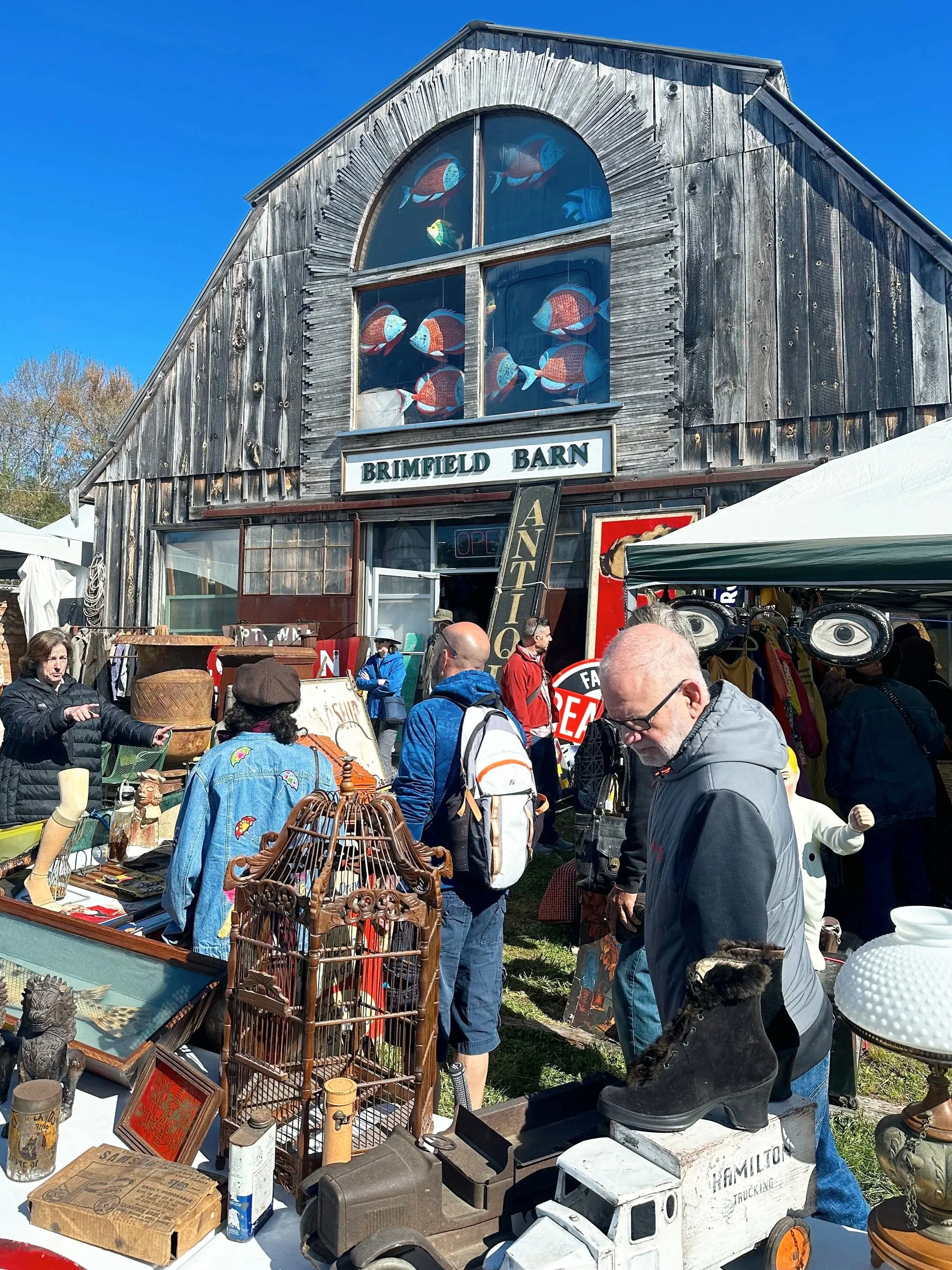
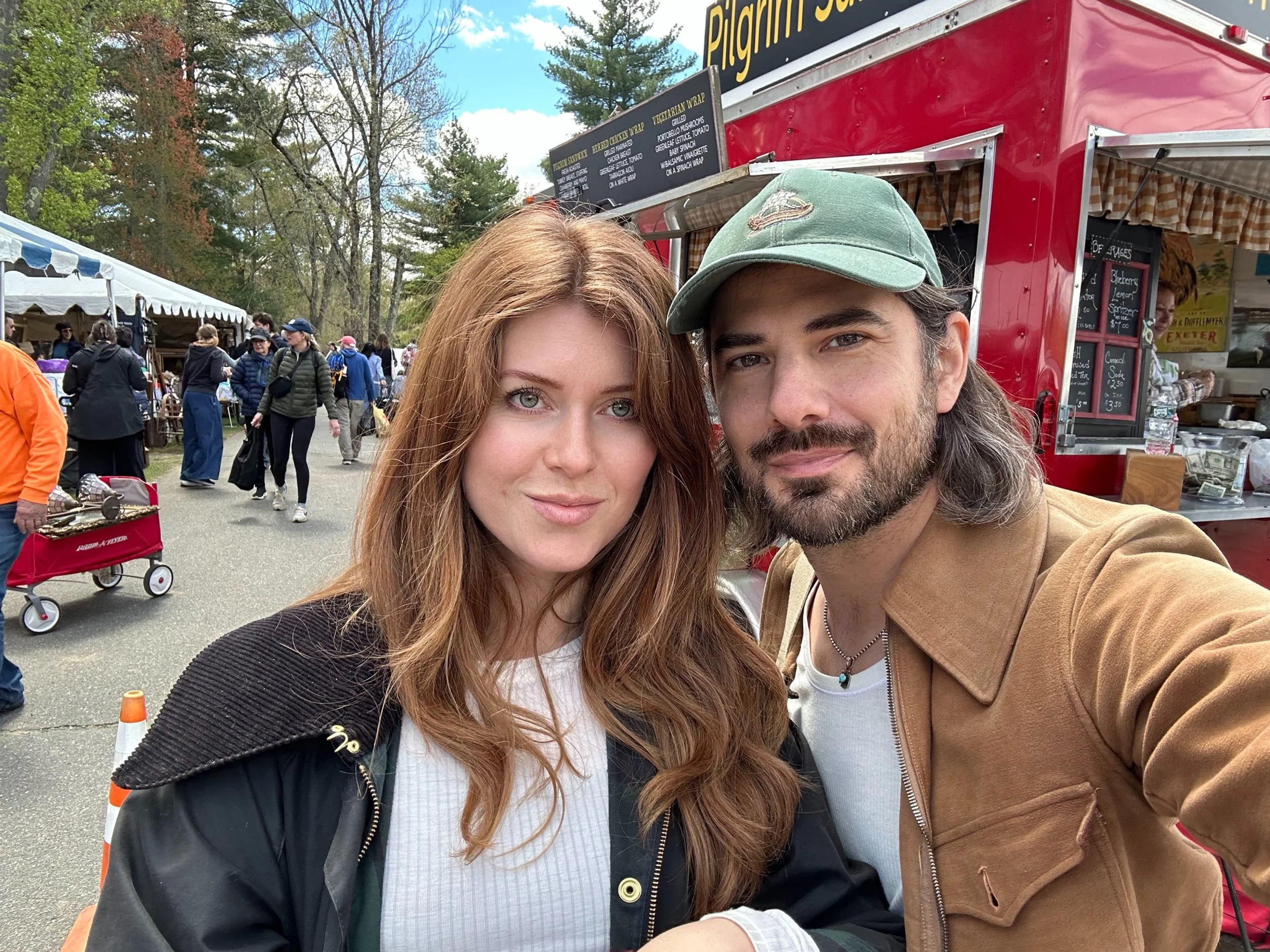
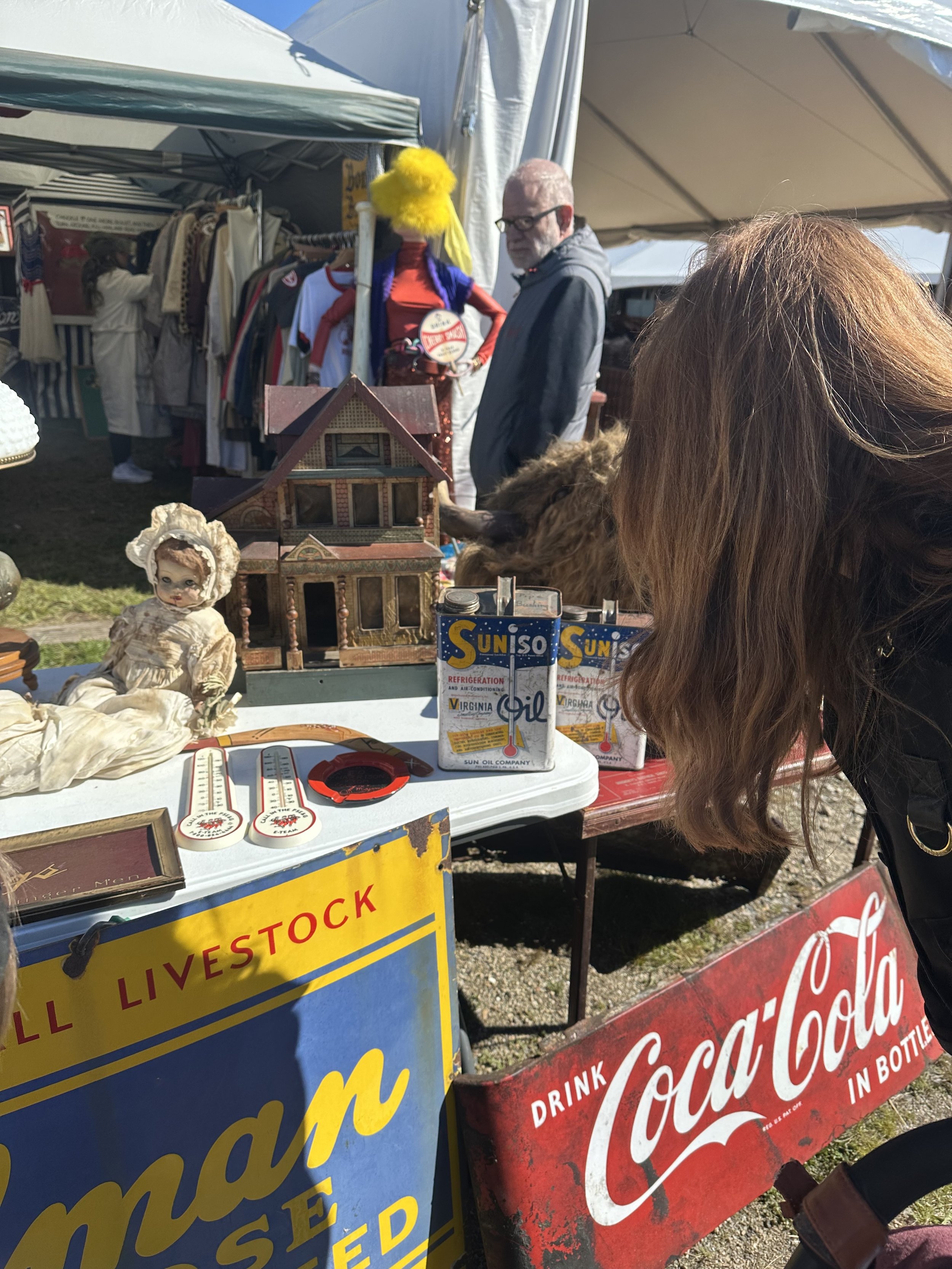
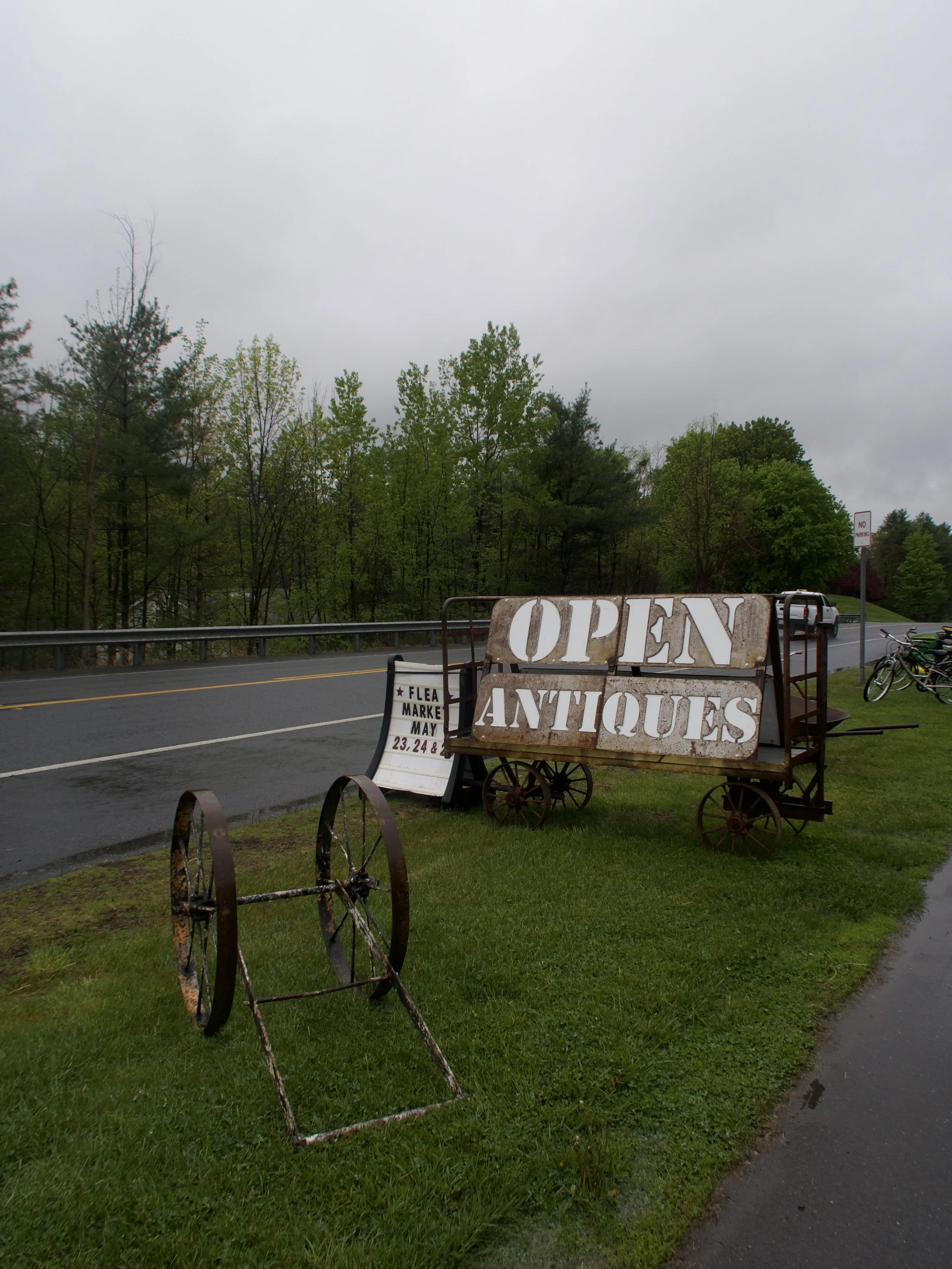
For collectors, Brimfield needs no introduction. For everyone else, it's nearly impossible to explain: nearly a mile of antique fields unfolding across rural Massachusetts, three times a year, since 1959. Military uniforms hang beside nineteenth-century folk art. Industrial furniture shares space with vintage denim, enamel signs, and objects whose original purpose has long since been forgotten. Thousands of dealers, thousands more buyers, and remarkably little urgency despite how quickly the best pieces disappear.
What surprised us most wasn't the scale — it was the atmosphere. Despite visitors from Tokyo, Paris, and Los Angeles, Brimfield remains profoundly local. Dealers greet each other by first name. Coffee is poured before sunrise. Negotiations still happen with a handshake.
Algorithms can recommend. Only travel still surprises.
Our mornings began the same way each time: walking Dealer's Choice through damp grass, coffee warming our hands while the first tables were still being arranged. Why collectors still cross oceans for that feeling — in an age when almost anything can be bought from a sofa — is the subject of our full feature.
→ Read: Brimfield — Why Vintage Collectors Still Travel Across the World
→ Read: Brimfield — 10 Mistakes to Avoid at the Brimfield Antique Show
Collector's Notes
Arrive before the gates do. Dealer's Choice opens before dawn, and by seven the finest pieces have already changed hands. Leave your itinerary loose — the best discoveries never show up on a map — and leave even more room in your luggage than you think you'll need.
Things Worth Bringing Home
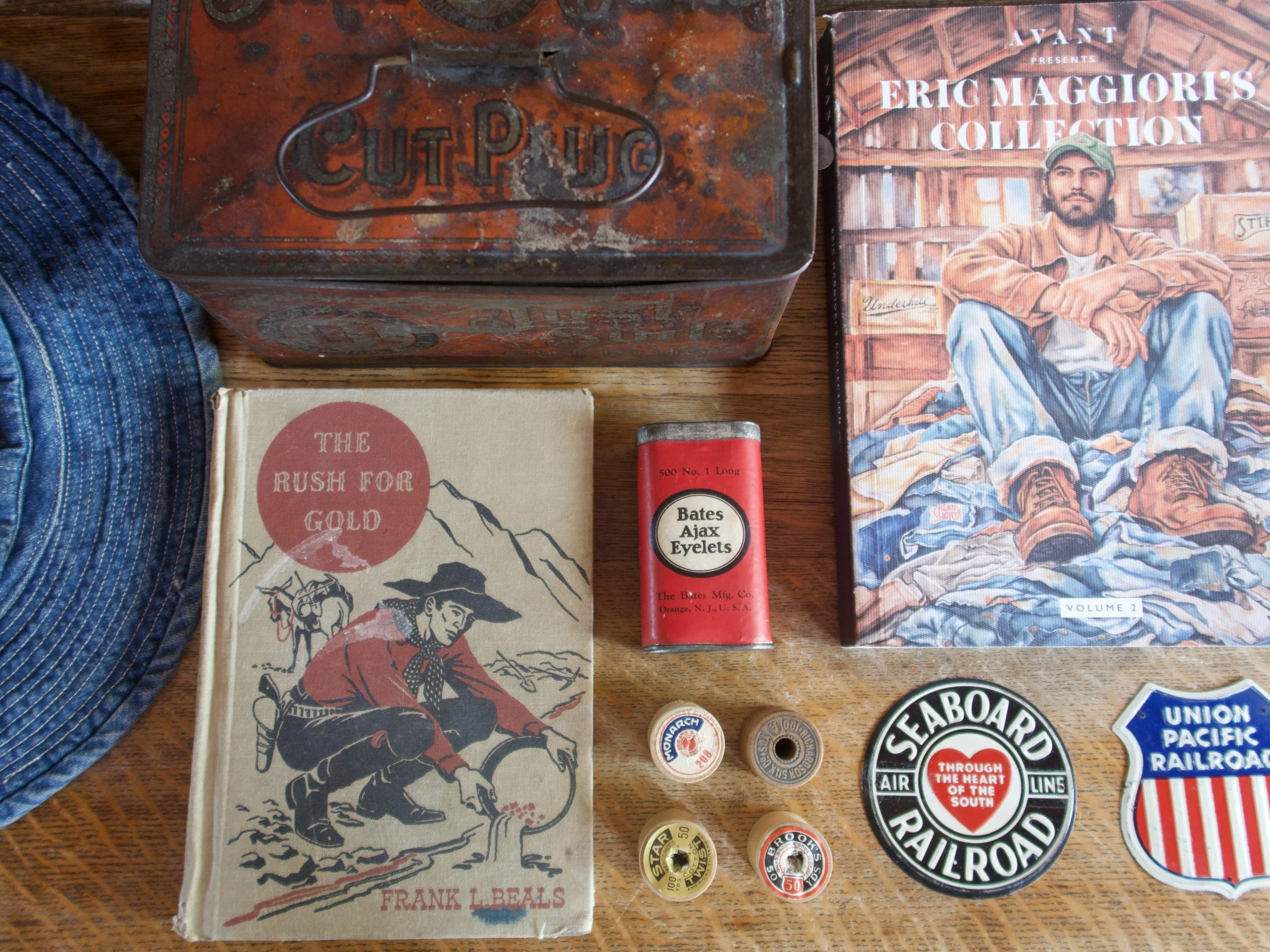
Not souvenirs — objects with another life ahead of them. Brimfield's fields are best known for exactly what you'd expect from a market built on Americana: military garments, early workwear, Western wear, denim, and leather, the same categories AVANT has spent a decade documenting in print. The finest finds are rarely the most expensive. They're simply the ones that feel impossible to leave behind.
AVANT CONFIDENTIAL
Insider tip: Stay past closing. Once the crowds thin, dealers slow down, negotiations turn into conversations, and objects start revealing their histories. Some of the best hours at Brimfield happen after the market appears to be ending.
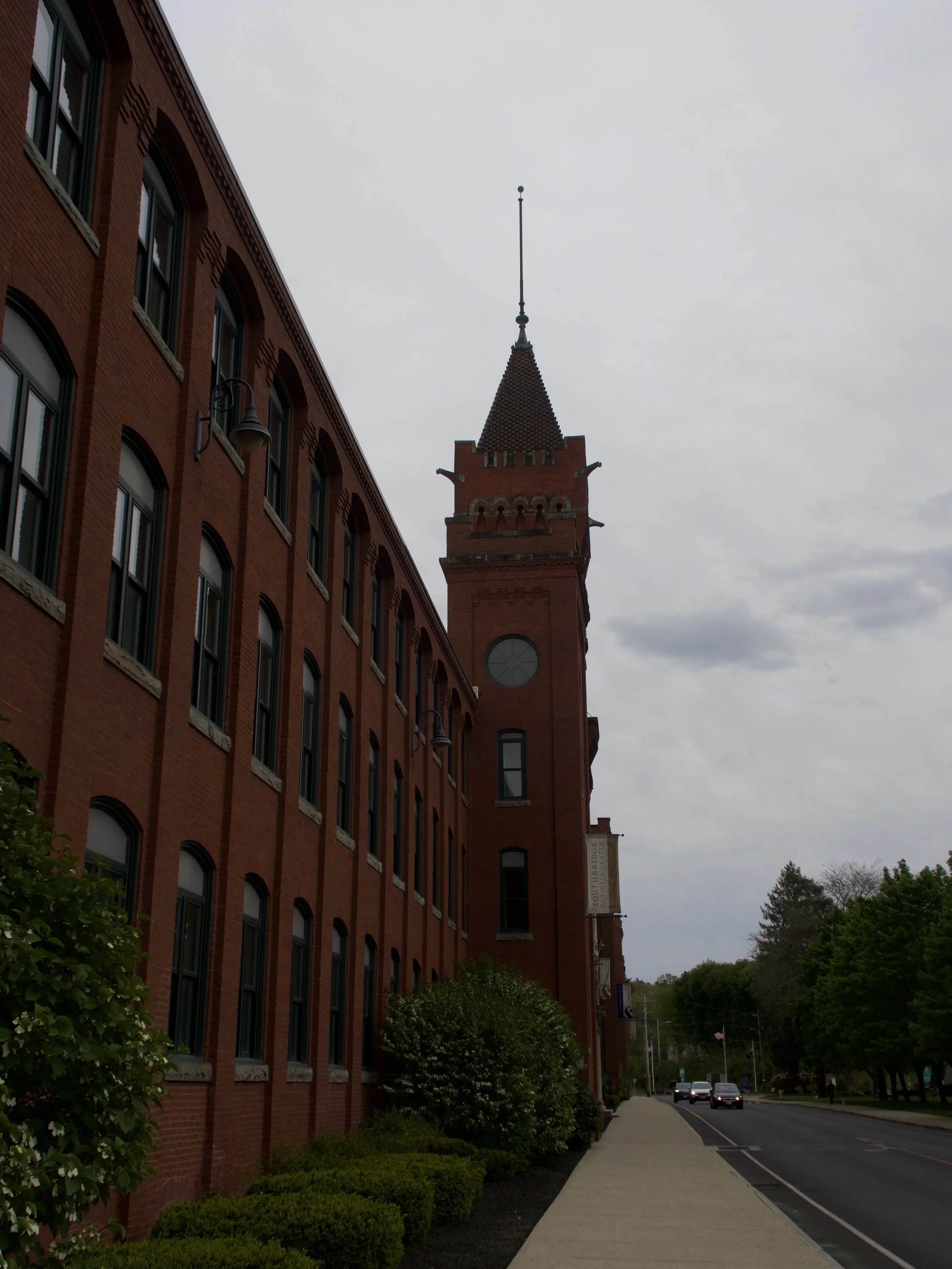
Ask ten Brimfield dealers where to stay and you'll get ten answers — until one name keeps resurfacing. Finding the right hotel during show week isn't just about proximity to the fields; it's about joining a temporary community. Breakfast conversations begin at six, long before the first field opens. Elevators become impromptu show-and-tells for the previous day's haul.
Twenty minutes from Brimfield in Southbridge, The Wellsworth occupies a former American Optical complex — the company that once outfitted American troops, aviation pilots, and NASA's Gemini and Apollo astronauts with the lenses to see clearly. It is precisely the instinct this whole route is built on: a landmark building given a second life without erasing the memory of its first.
→ Read: Where to Stay for Brimfield — Inside The Wellsworth's Second Life
Where to Stay for Brimfield: The Wellsworth
TRAVEL COMPANION
Best for Brimfield week basecamp — walking distance to (almost) nothing, but twenty minutes from everything.
Drive to next stop North Adams, MA — approx. 1h45.
THE BERKSHIRES
Along the Mohawk Trail to North Adams
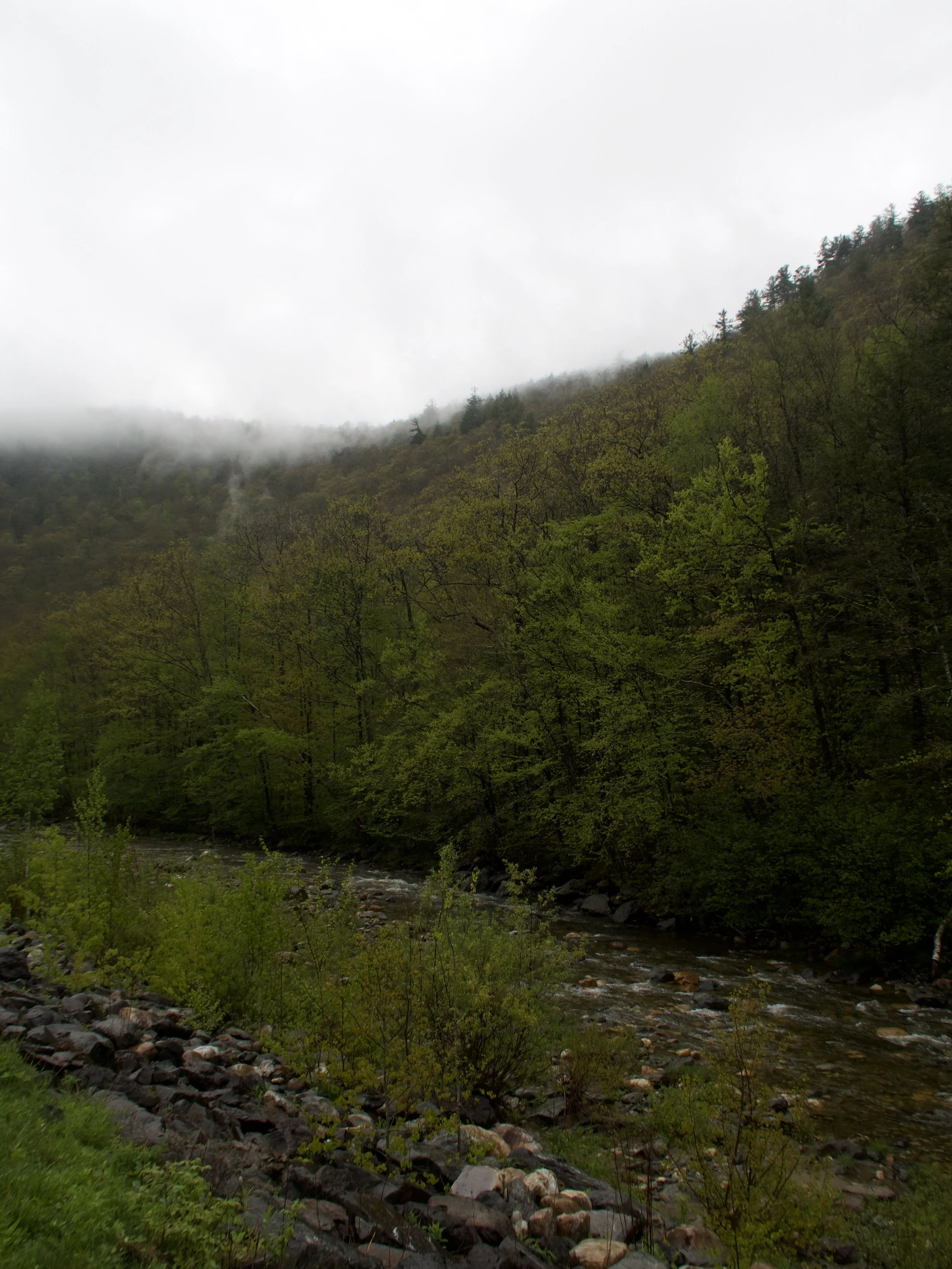
From Brimfield, the road climbs north and west, and somewhere around Shelburne Falls the landscape starts to feel unmistakably familiar to anyone who has spent time in Québec: dense forest, maple syrup at every roadside stop, weathered wooden houses folded into rolling hills. This stretch is the Mohawk Trail itself — one of America's oldest scenic byways, a Native American trade route turned two-lane road, unfolding at its own unhurried rhythm. A gentle curve reveals an antique mall. A covered bridge appears a few miles later. Rivers, waterfalls, and roadside diners emerge unannounced, each inviting you to linger longer than planned.
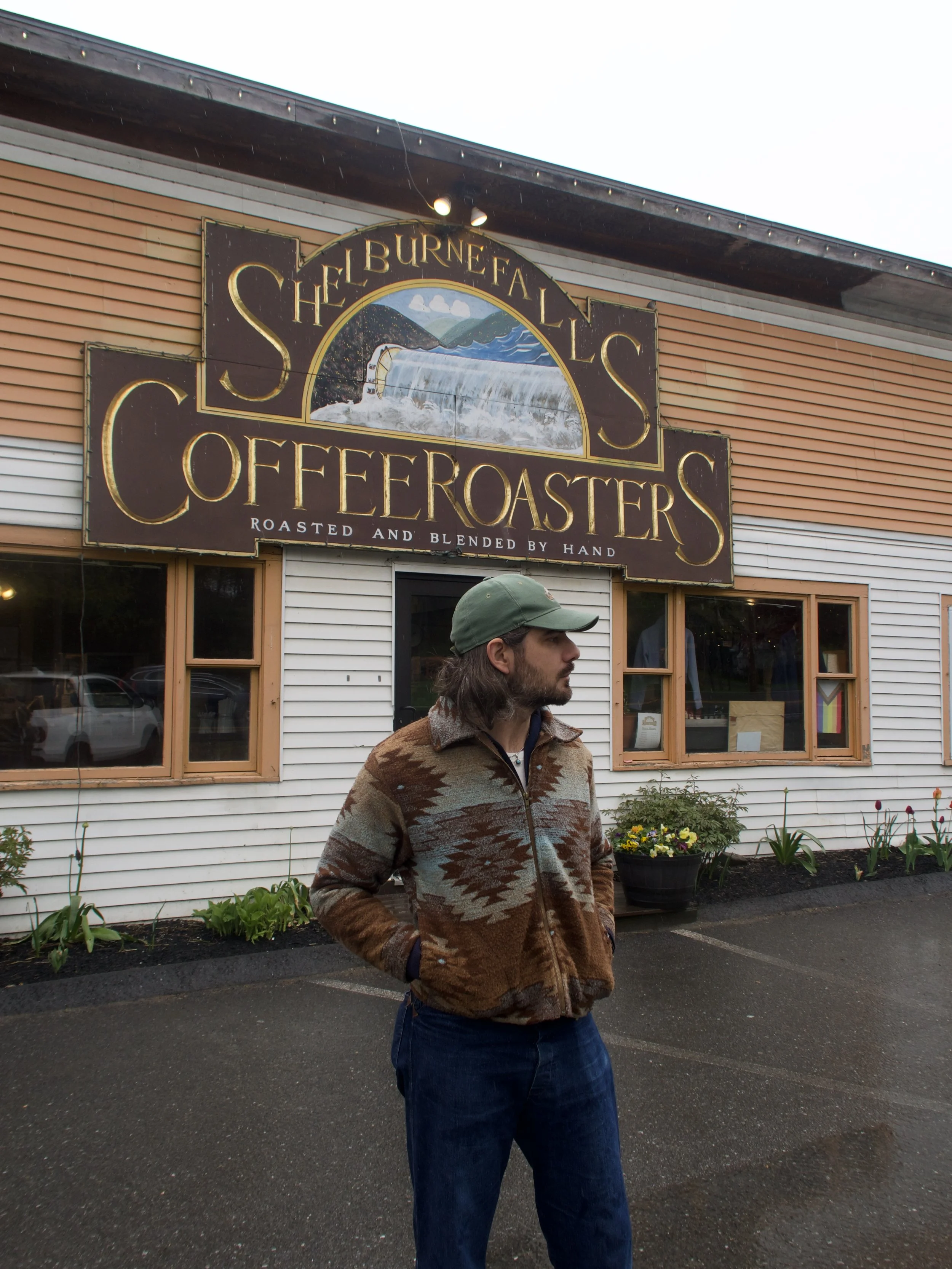
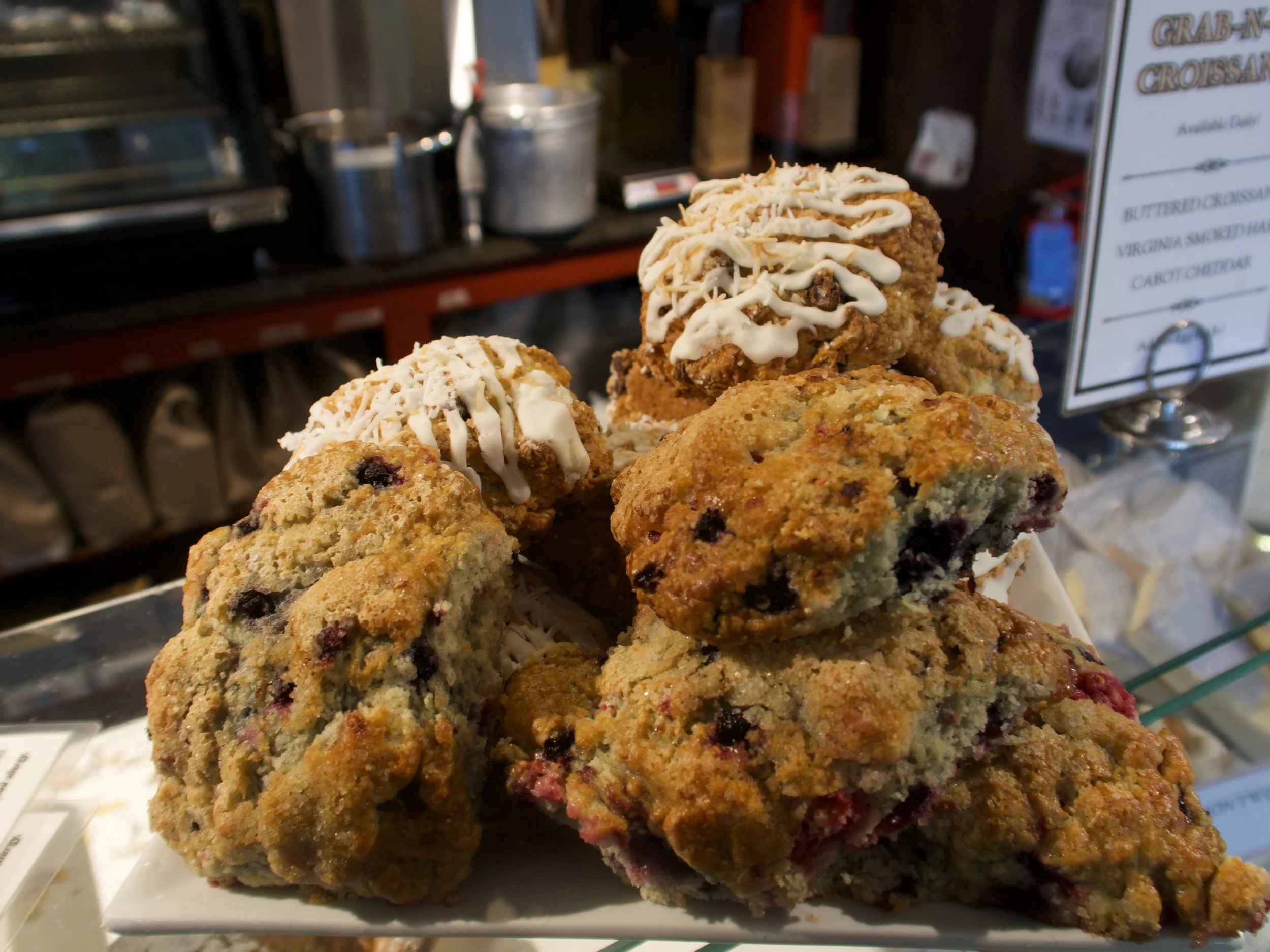
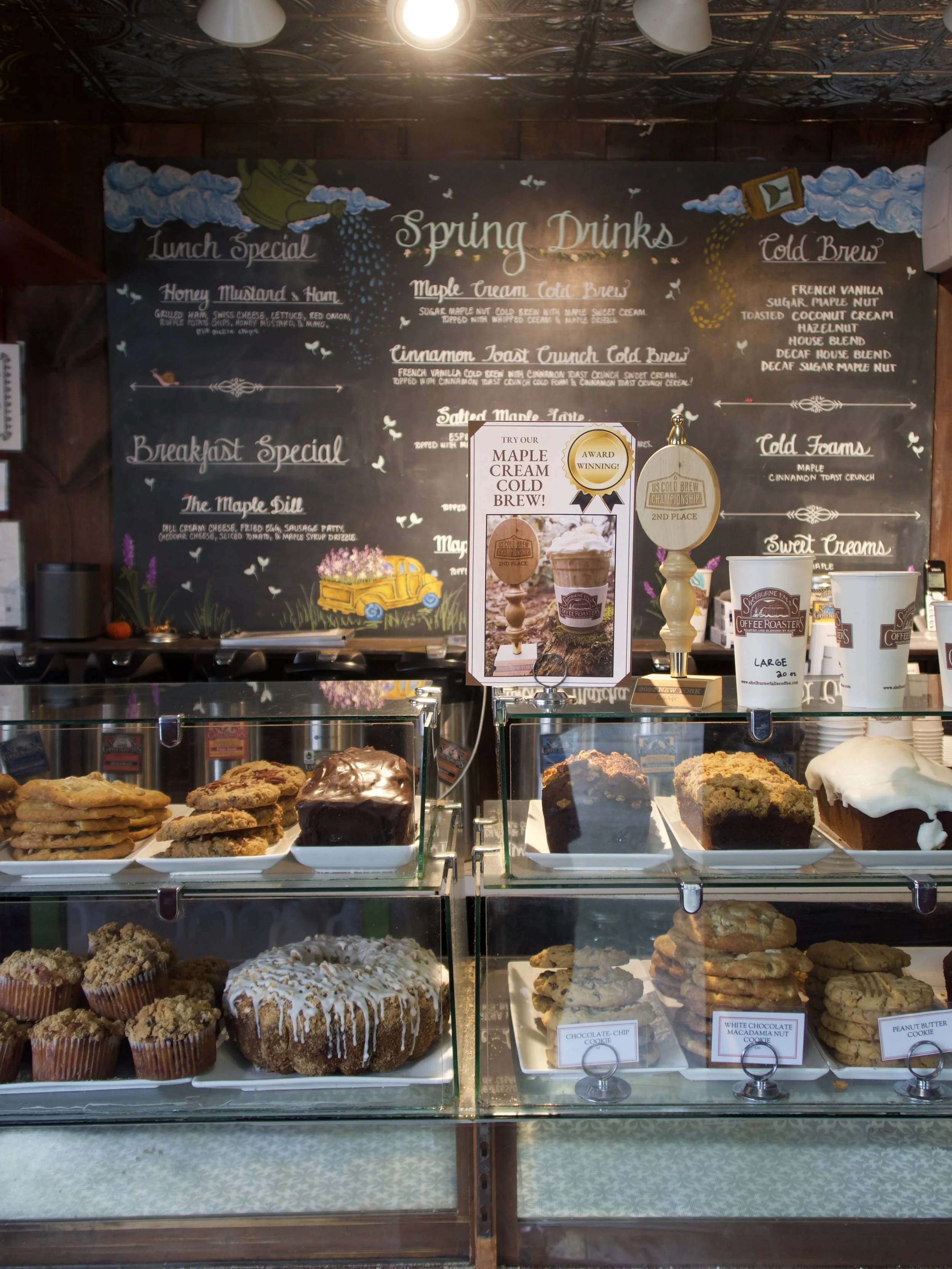
We stopped at Shelburne Falls Coffee Roasters the way one enters a family kitchen rather than a café — nothing calculated about it, just decades of evolution rather than design. The grilled cheese, served in a simple cardboard box, outlasted every version we tried for the rest of the trip. What impressed us most wasn't the food, though — it was the room: students working on group projects, a retired regular who detours here from his commute to Boston, and us, a family from France with a daughter who had only just learned to walk.
Worth the Detour
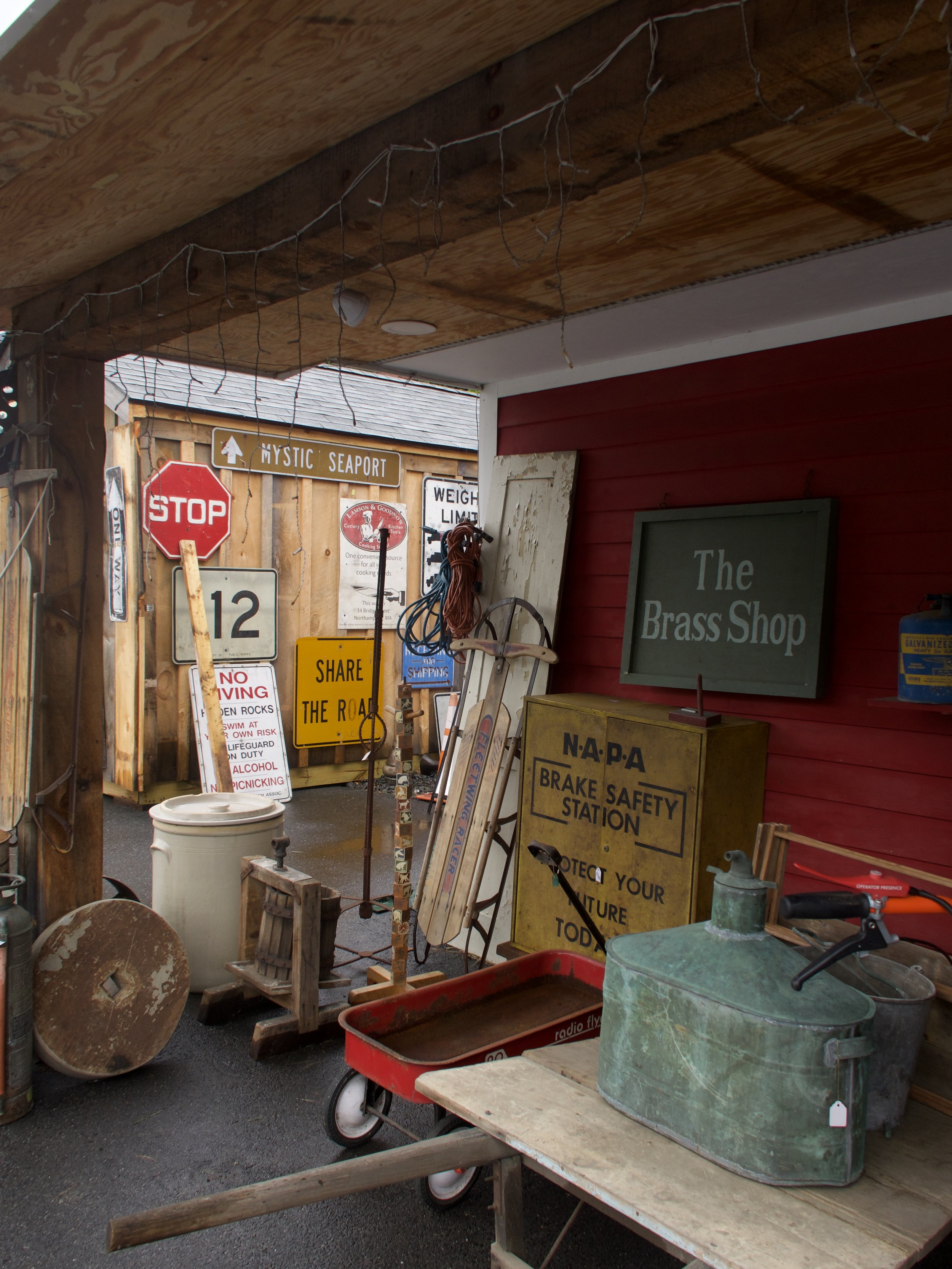
Ten seconds down the road — genuinely, we timed it — Catamount Traders delivered one of the finest antique malls of the entire trip. We left with vintage pennants, metal tins from the 1930s and 1940s, and a small crate of decorative objects that eventually found their way to AVANT Studio, our showroom in Paris.
Then the road calls again, toward a town whose fortunes once rose and fell with a single industry, and which has spent the last two decades proving that even the most overlooked places can find a second act.
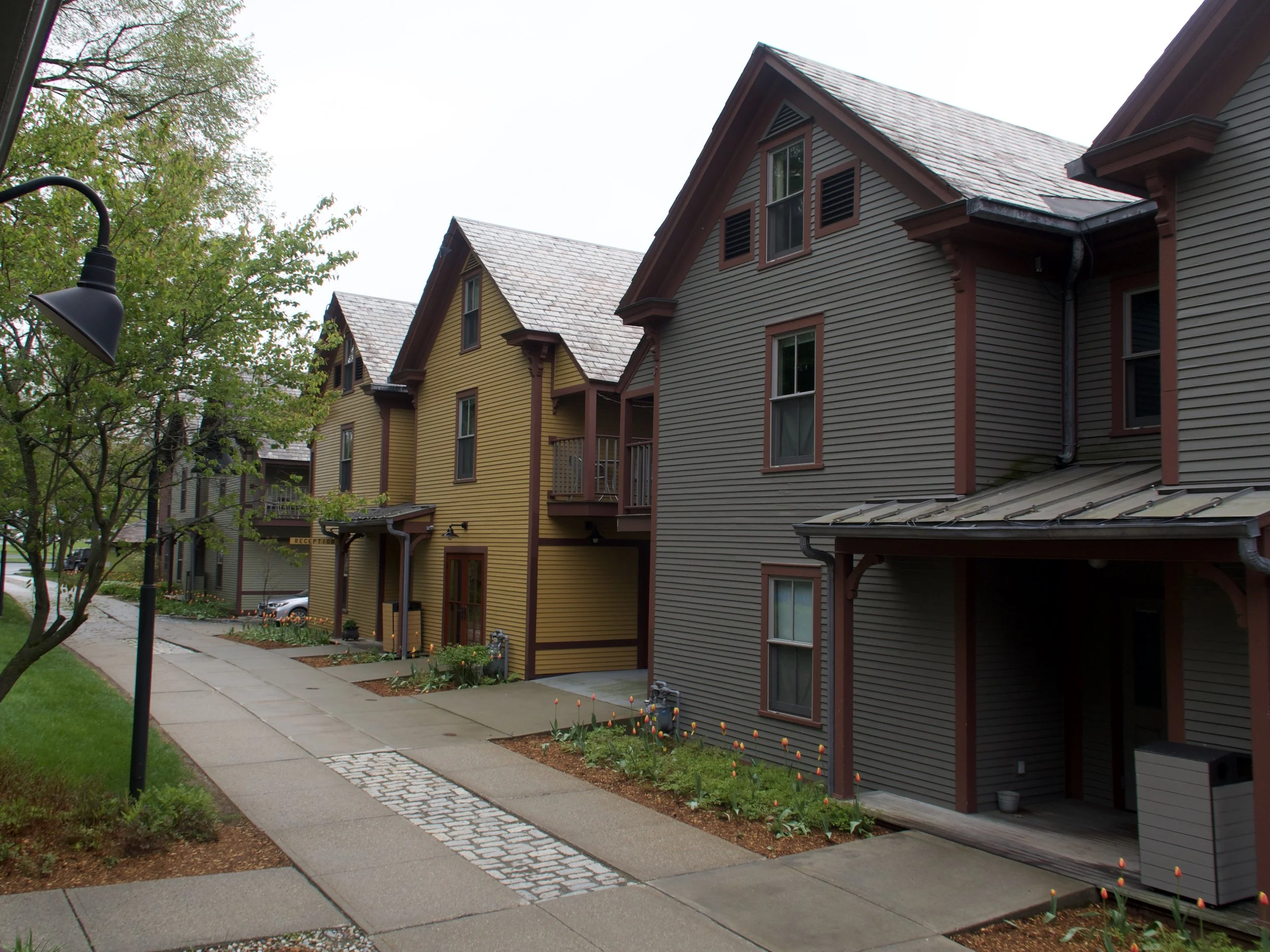
Our Stay at The Porches Inn, North Adams
North Adams is a mill town in the truest sense — its identity built, and for a while nearly broken, by the factories along the Hoosic River. What brought it back was MASS MoCA, one of the largest contemporary art museums in the country, built inside a sprawling former Sprague Electric complex. The Porches Inn sits directly across the street: a row of late-Victorian mill workers' houses, once slated for demolition, now linked by the long, rocking-chair porch that gives the hotel its name.
Breakfast still arrives, on request, in a steel lunch pail — a quiet, deliberate nod to the families who once lived where guests now sleep. It's the instinct that runs through this entire itinerary: heritage and progress do not have to exist in opposition.
TRAVEL COMPANION
Best for Architecture and adaptive-reuse enthusiasts, MASS MoCA weekends.
Drive to next stop Amenia, NY — approx. 2h15, crossing into the Hudson Valley.
Onward to the Hudson Valley: Troutbeck
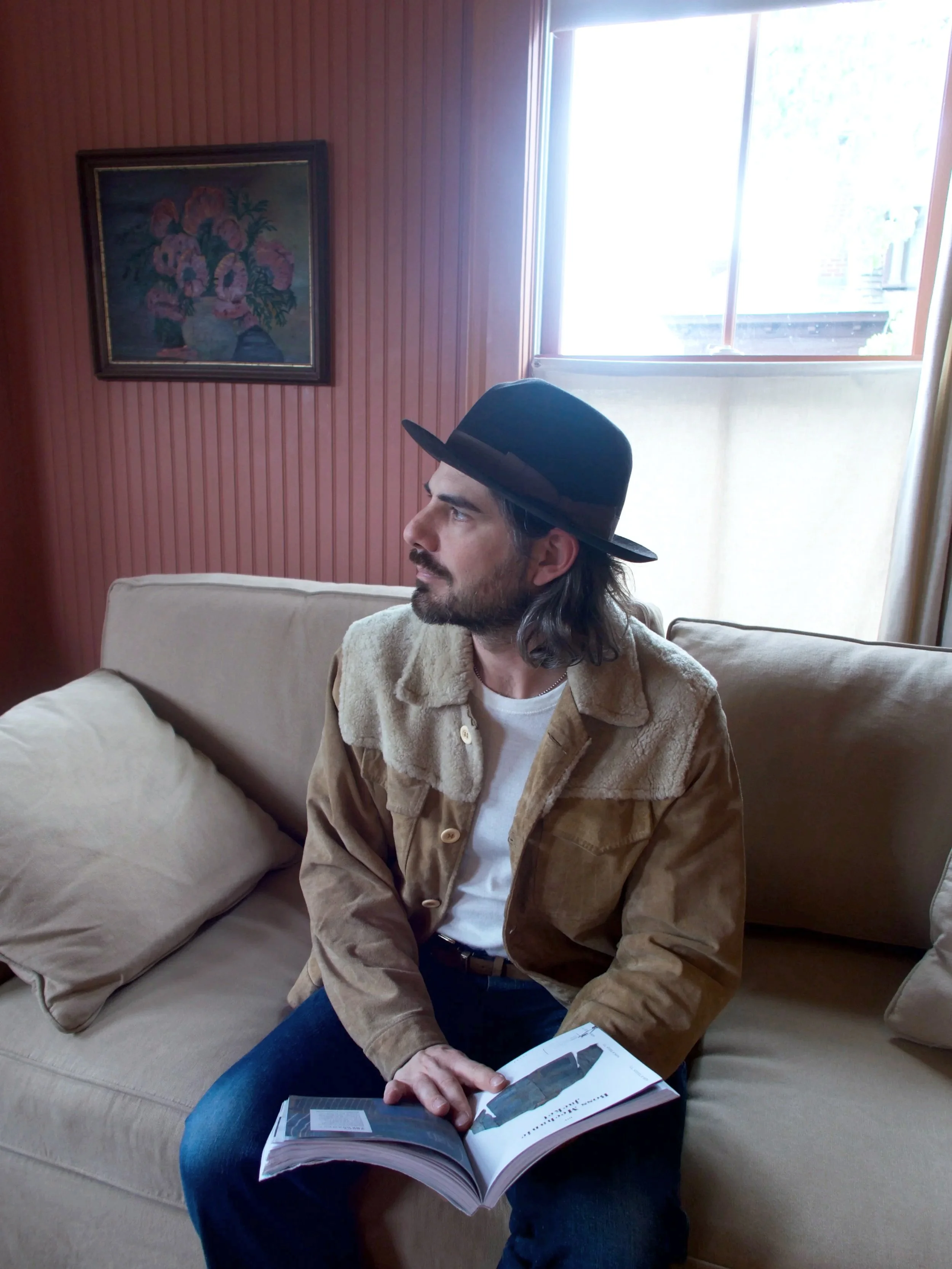
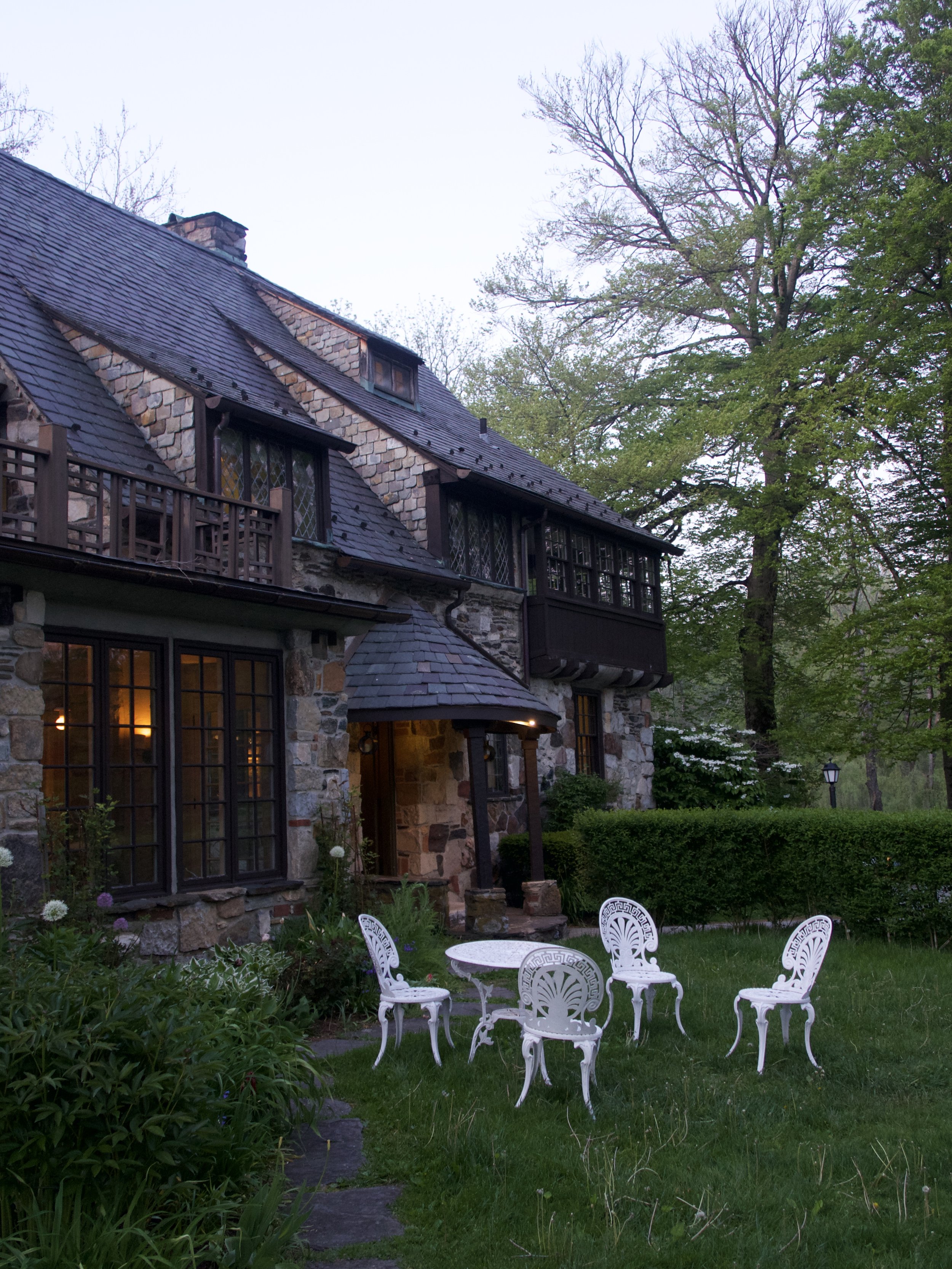
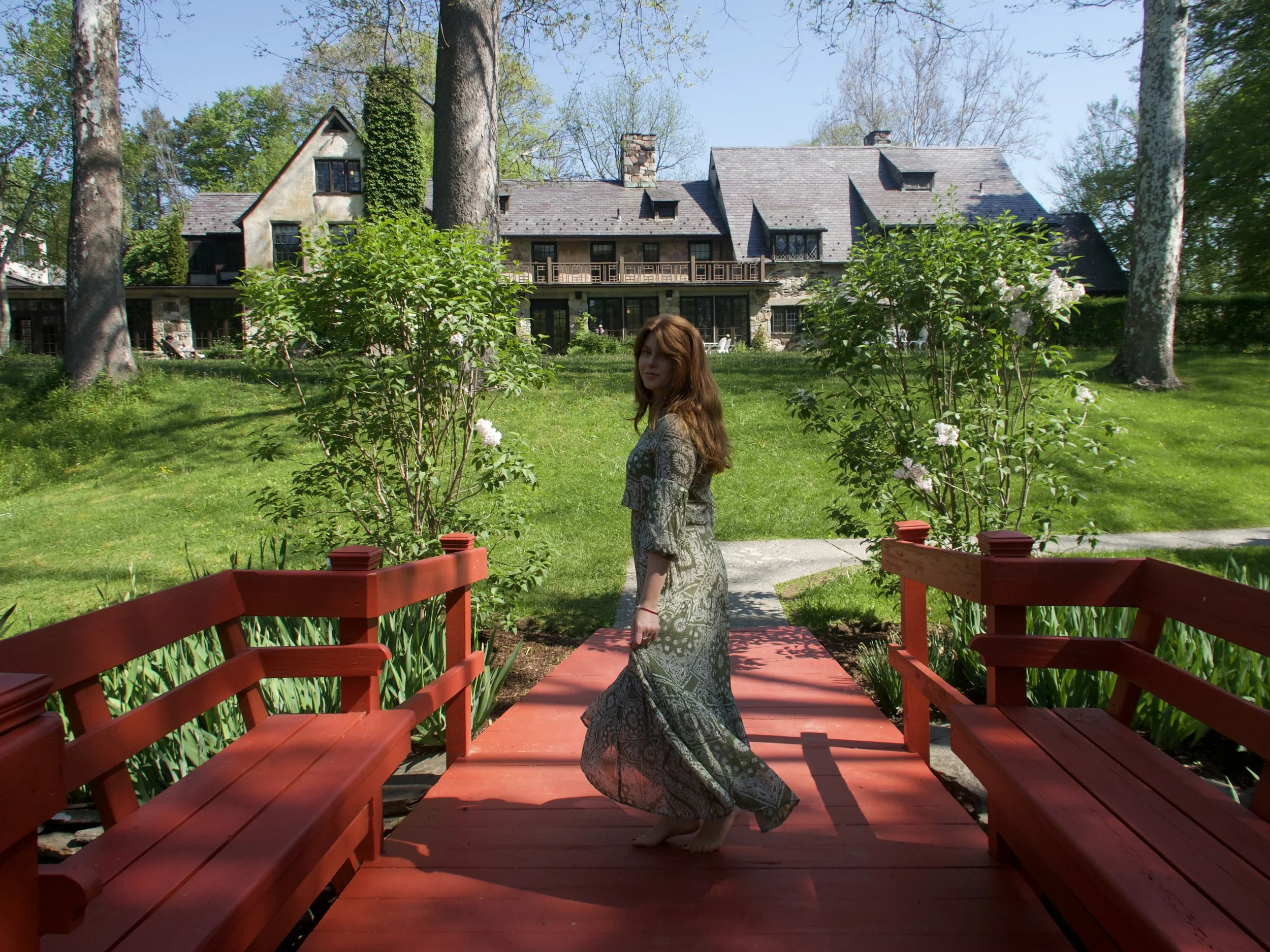
South and east, across the Massachusetts–New York line and into Dutchess County, the register changes entirely. Troutbeck, tucked down a narrow road in Amenia, doesn't announce its luxury through logos or marble — discretion, verging on outright confidentiality, is the signature.
“Great hotels, at their best, are conversations rather than destinations.”
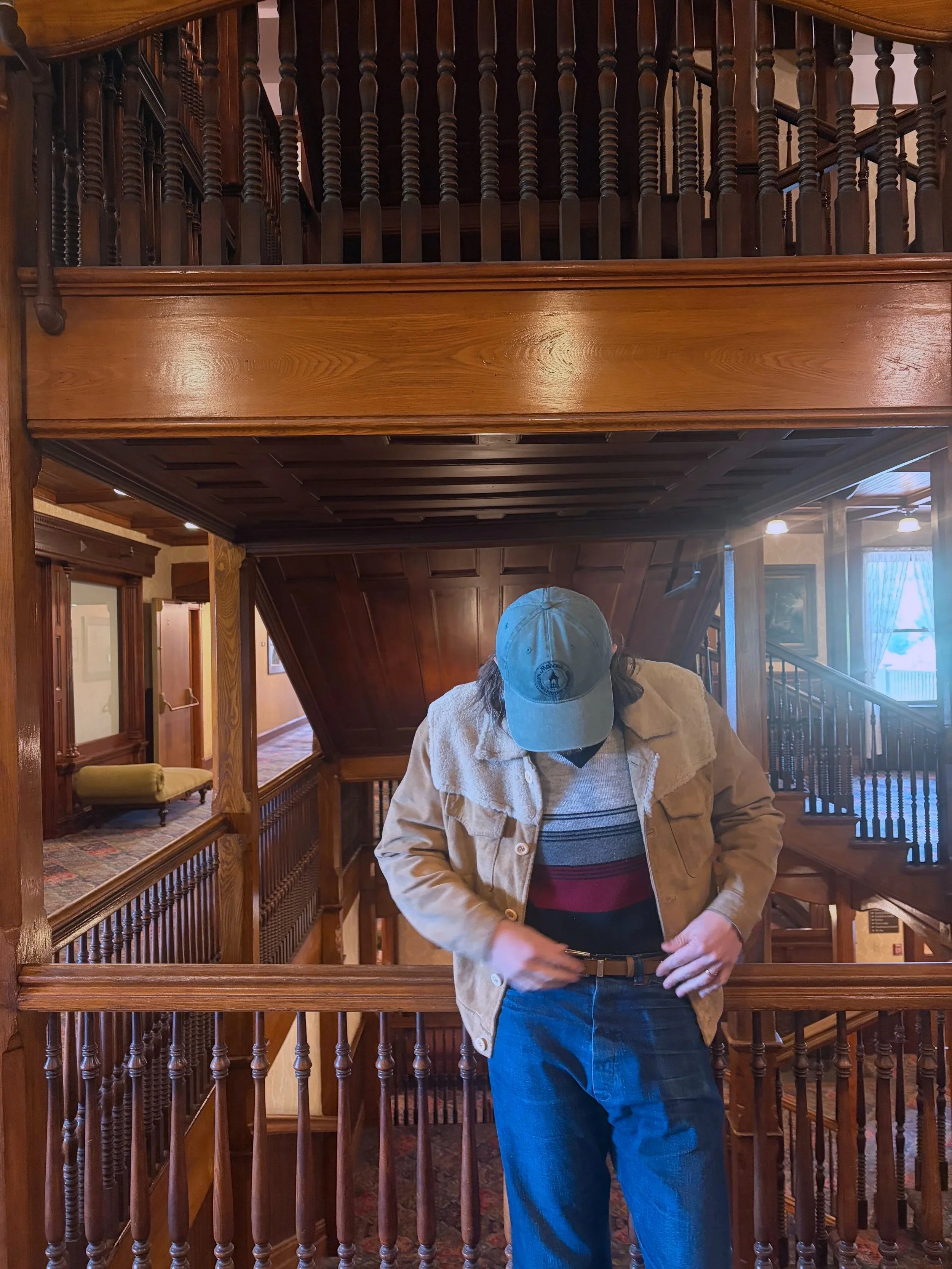
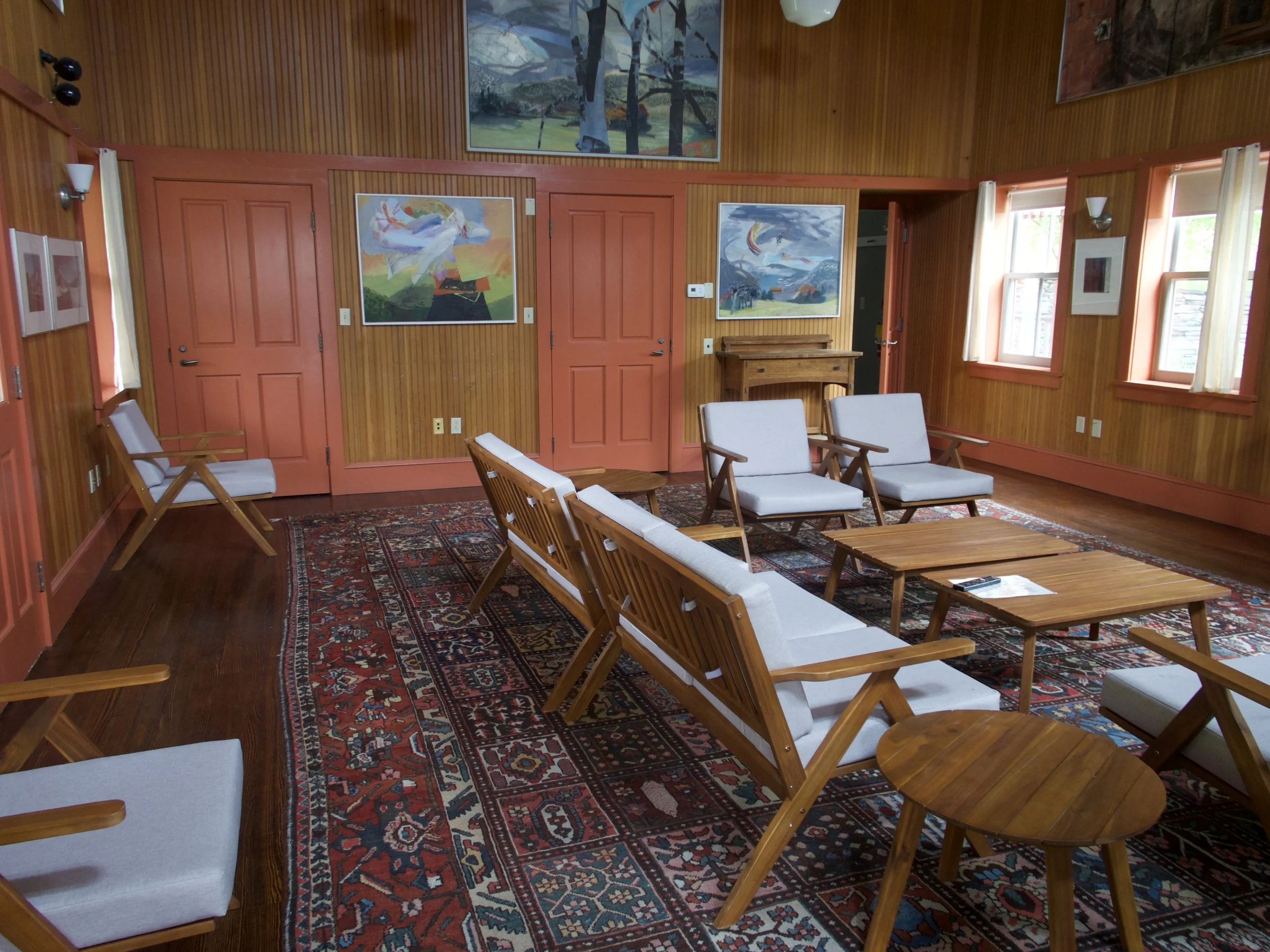
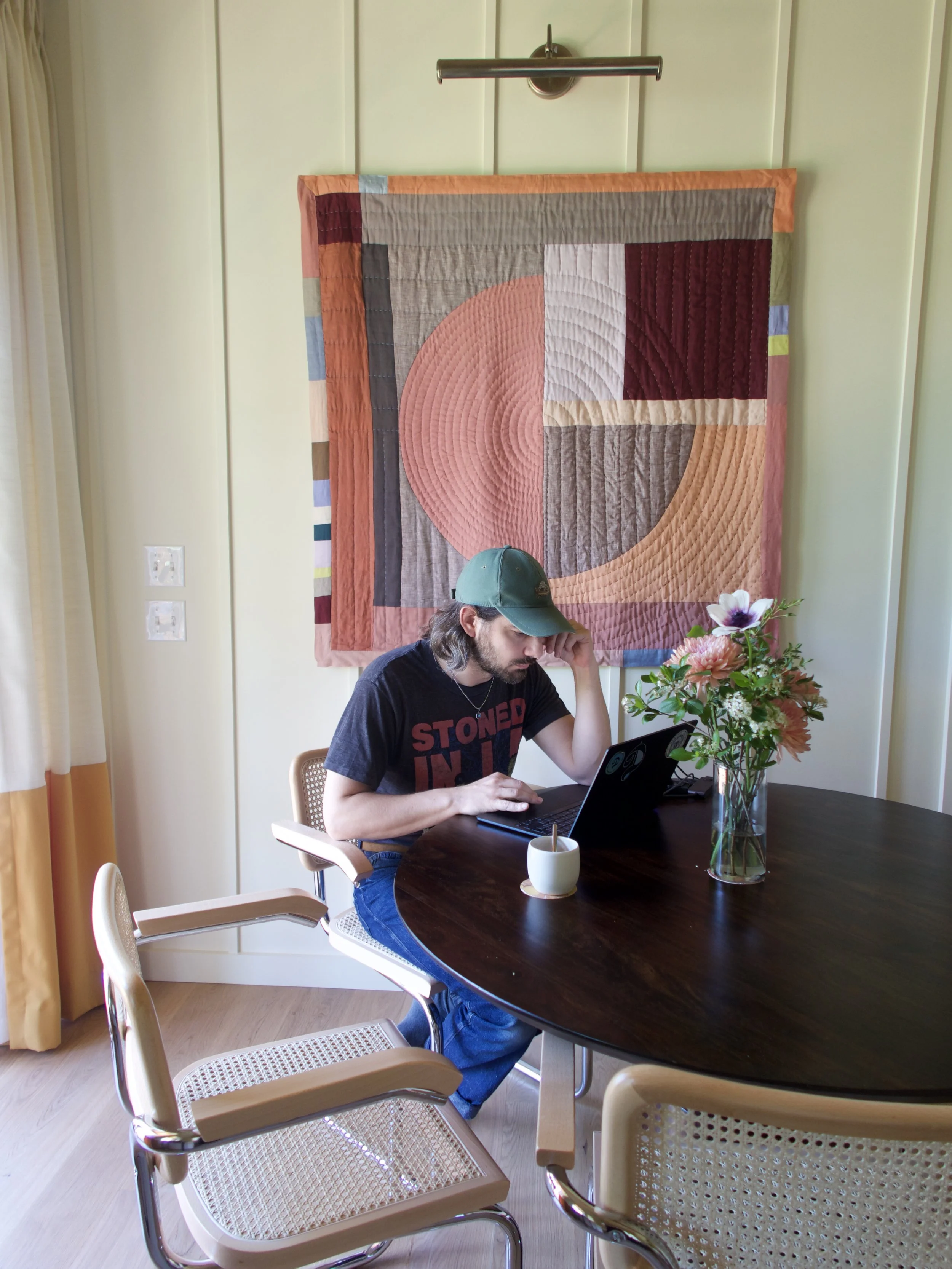
It has earned that quiet. Henry David Thoreau's final letter was addressed from this house, to Myron Benton, the poet whose family first settled the estate. The naturalist John Burroughs was a regular guest. Later, under Joel and Amy Spingarn, the property hosted two of the founding Amenia Conferences of the American civil rights movement, and it was here, in 1914, that the Spingarn Medal — the NAACP's highest honor — was established. The 2016 restoration, led by hotel designer Alexandra Champalimaud for her own son, kept the original moldings and dark wood floors, painting each room a single enveloping color rather than filling it with art — the sense of a house that has simply been lived in for two and a half centuries, not designed to look that way.
It is one of only a handful of properties in this series to earn AVANT's highest distinction.
TRAVEL COMPANION
Best for Discreet luxury, literary history, a slower pace after two stops of road.
Drive to next stop Kingston, NY — approx. 50 minutes.
A Detour Worth Taking: Kingston
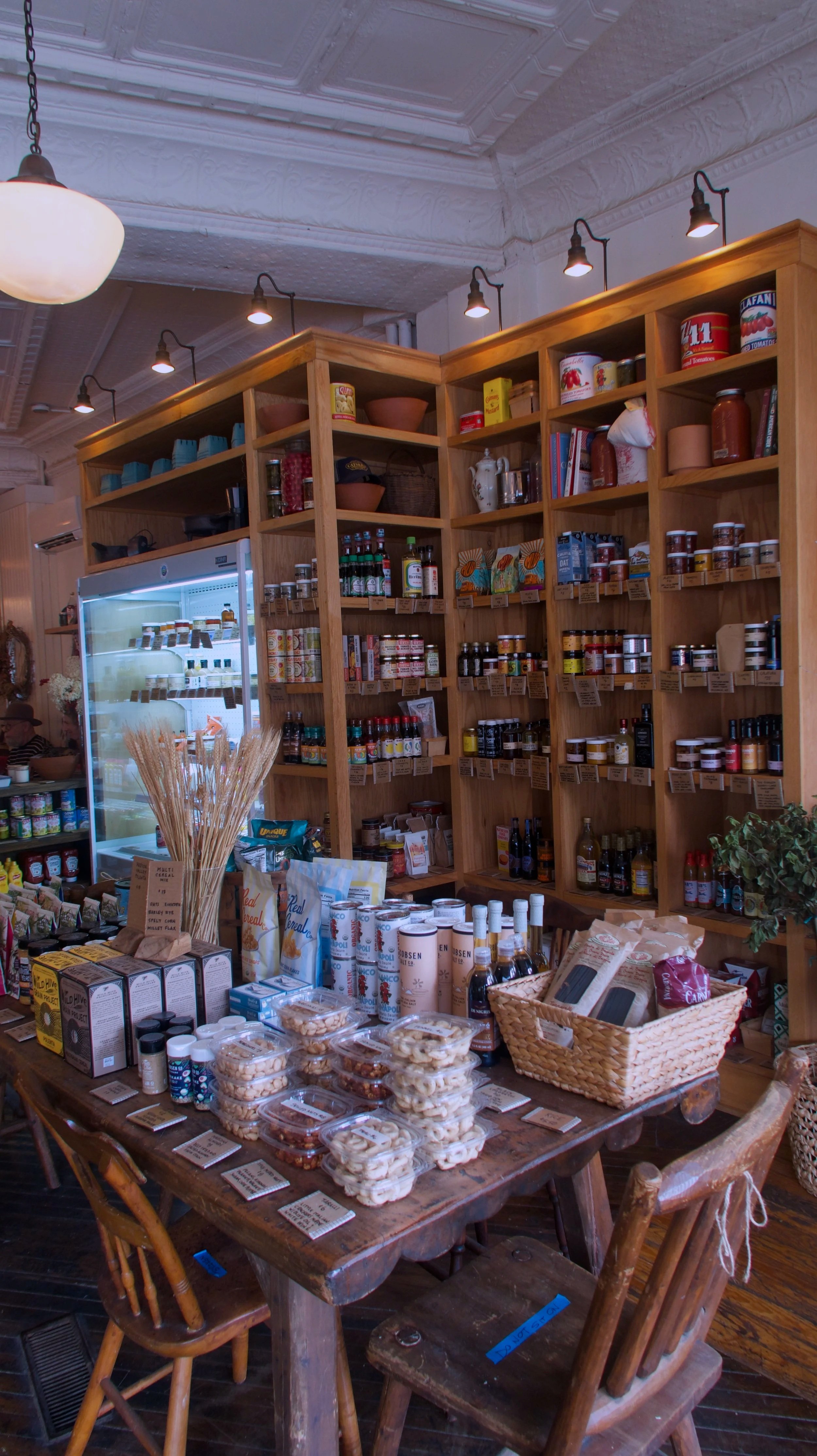
Between the Hudson Valley and the Catskills sits Kingston, New York's first state capital, and a town we did not expect to love as much as we did. In the Midtown Arts District, Red Owl Collective occupies a former bowling-alley-turned-drapery-factory now given over to 10,000 square feet and more than fifty vintage and antique vendors — mid-century furniture, rare vinyl, ceramics, the kind of curated chaos that rewards an unhurried afternoon.
Things worth eating on the road
For breakfast, Half Moon Rondout Cafe — set inside an antique-furnished storefront on Broadway — offers cake donuts made to order, a chocolate babka worth rearranging a schedule for, and coffee that more than earned its reputation.
For lunch, On Broadway in the Rondout, in a wedge-shaped storefront that once housed a Cunard steamship agency and, more recently, Skillypot Antiques, Rosie General now operates as a bakery, butchery, and Italian-meets-Jewish deli, run by a Michelin-trained chef and his three sisters, named for their mother. The turkey sandwich alone justified the second stop that we did during this trip in this town.
Discovering the Catskills: The Graham & Co
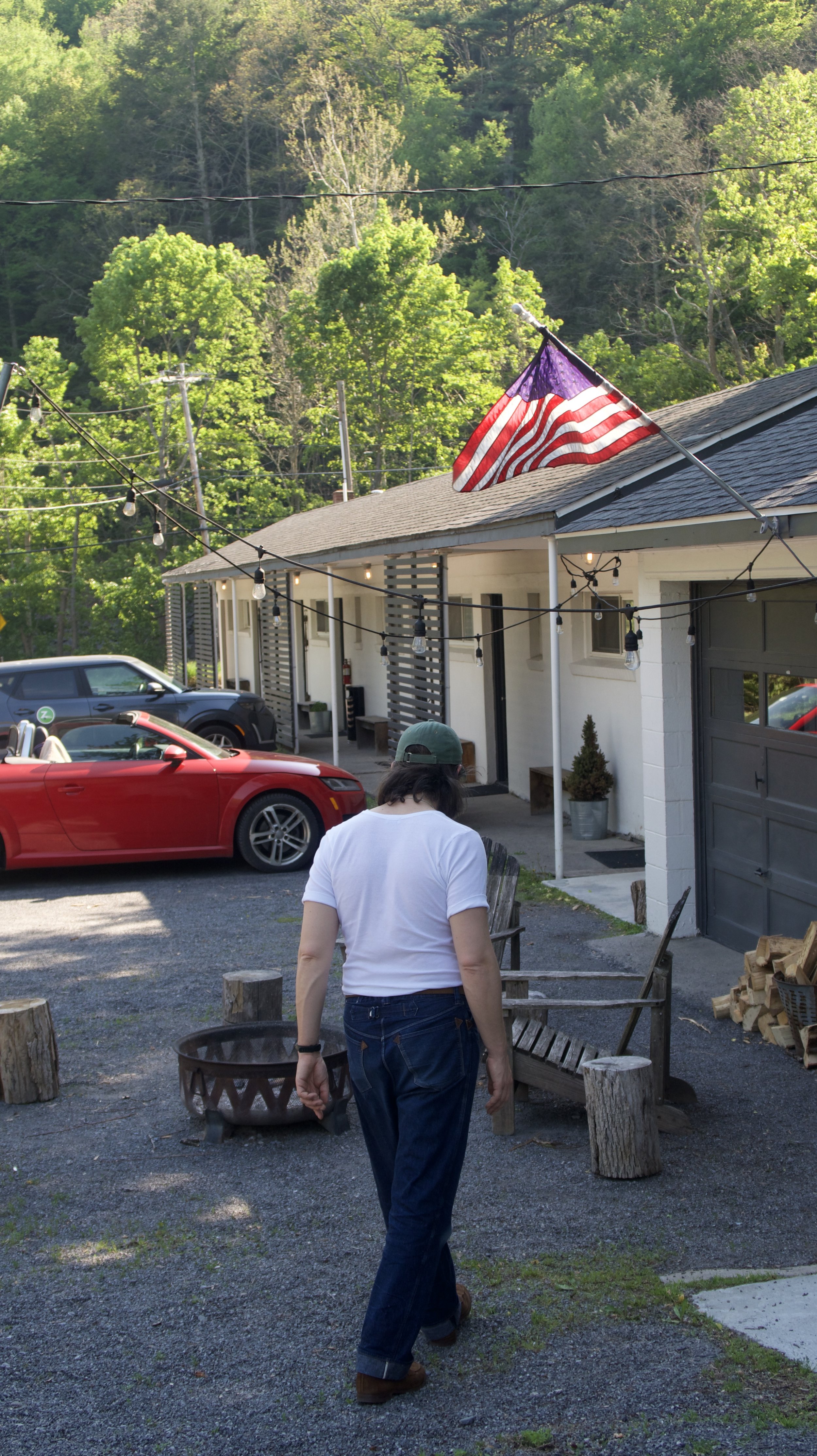
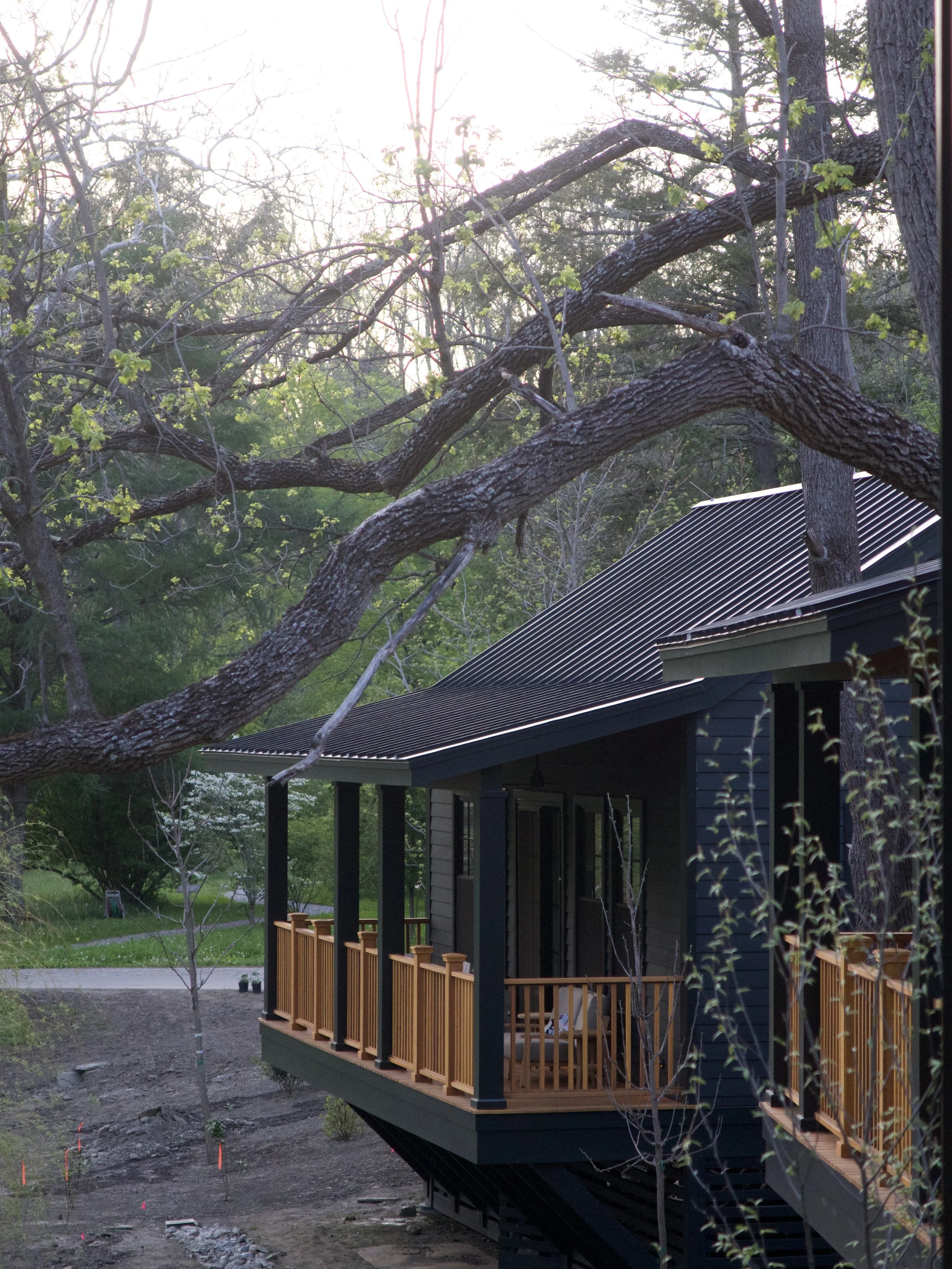
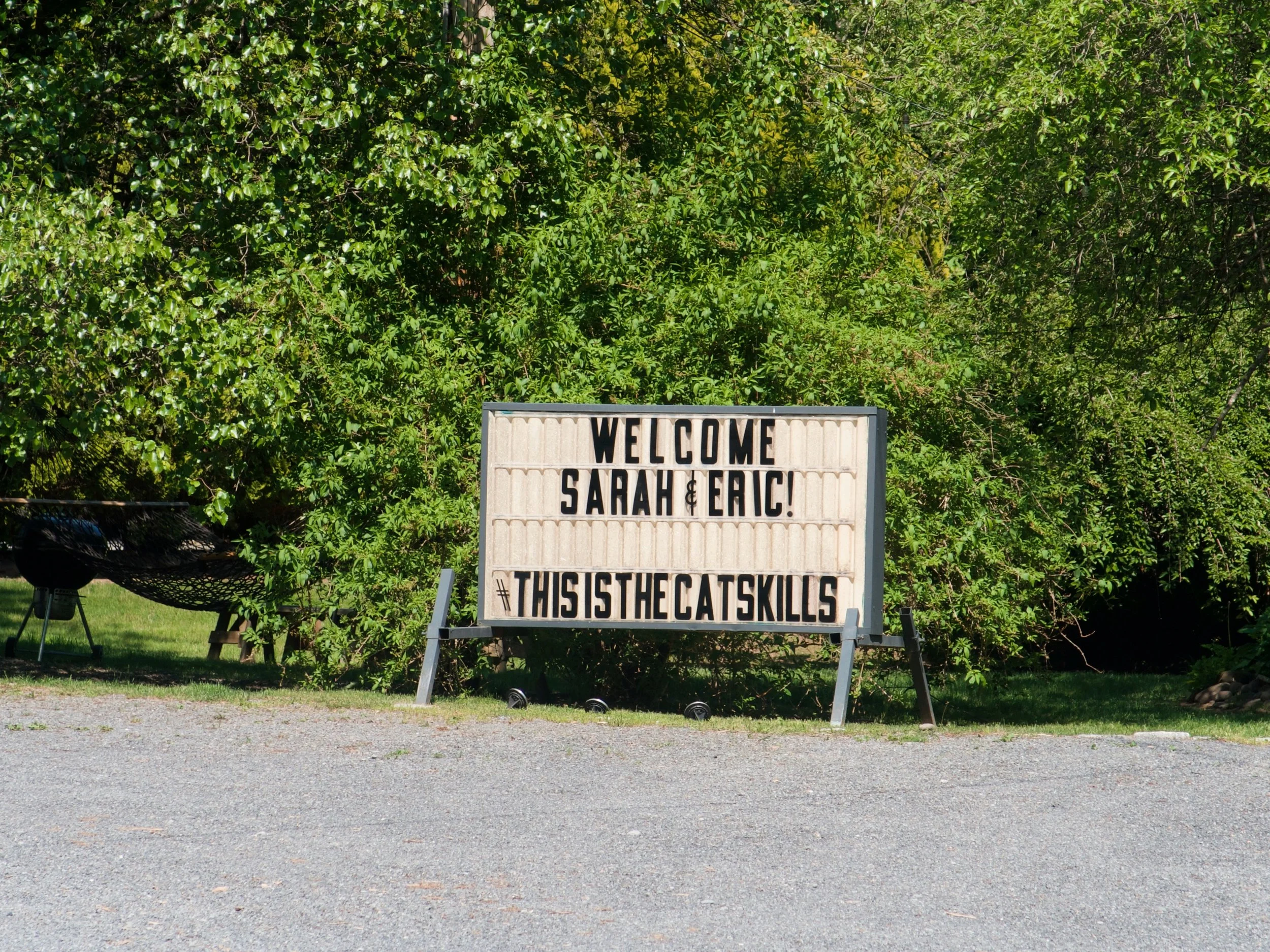
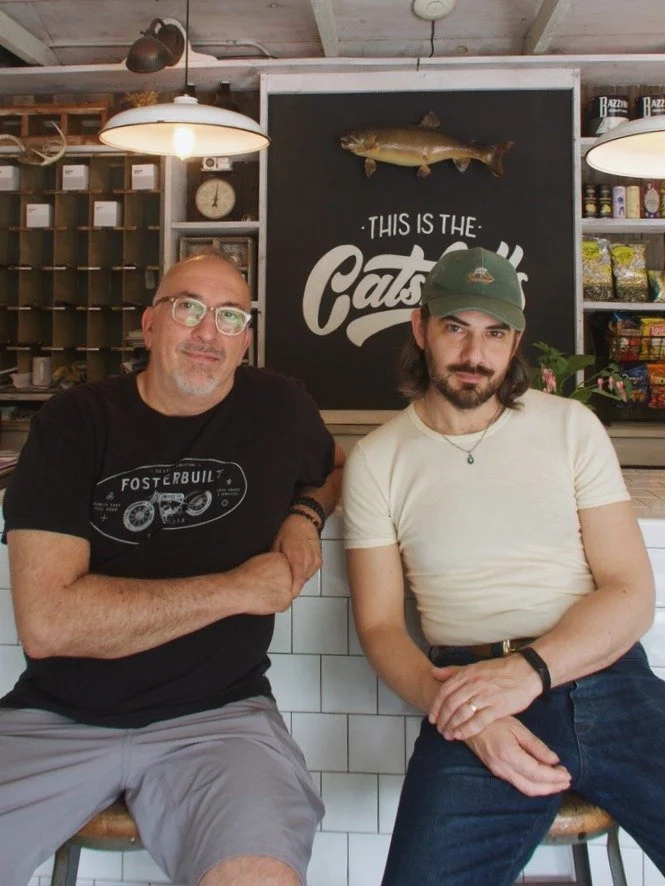
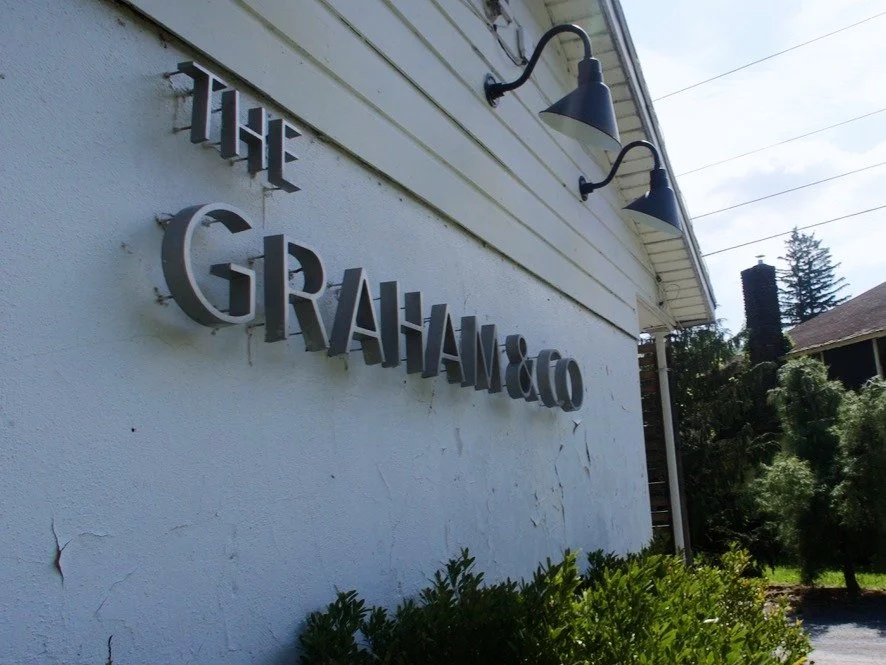
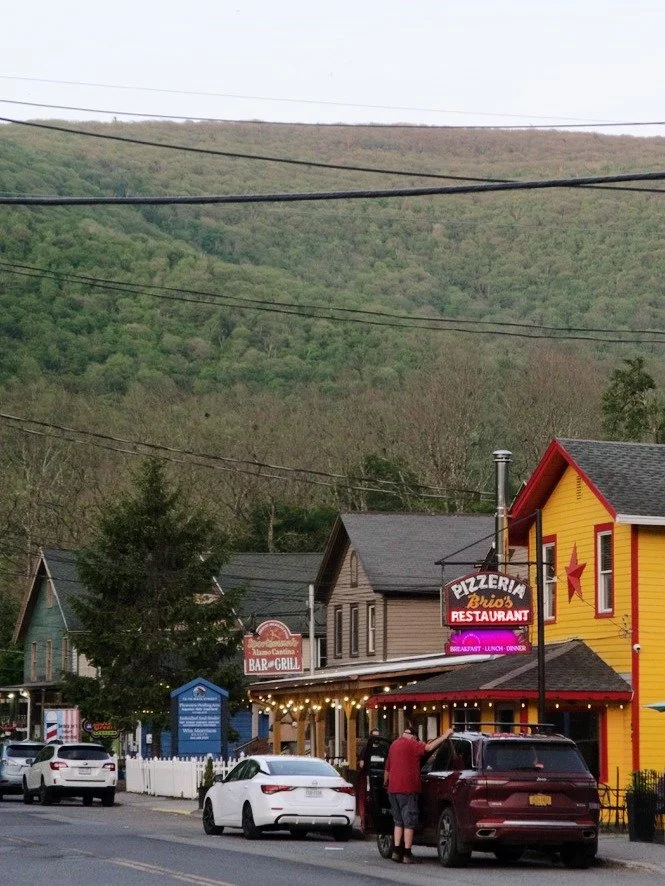
Phoenicia, at the foot of Hunter Mountain, is where the Catskills stop performing and simply exist — no cell service, dense forest, mountain roads that disappear into the distance. The Graham & Co began life as the Cobblestone Motel, the kind of roadside stop its current owners once passed through as regular guests, long before they bought it themselves and remade it into one of the region's most quietly loved boutique hotels: vintage furnishings, architectural salvage, and a fire pit that turns strangers into dinner companions by the second night.
It's a story we find ourselves drawn to again and again on this route: a place transformed not by outside investors chasing a trend, but by the people who loved it first.
→ Read: The Graham & Co — The Catskills Motel Its Own Guests Ended Up Buying
TRAVEL COMPANION
Best for Swimming holes, mountain mornings, unplugging completely — expect no cell service.
Drive to next stop Mohonk Mountain House, New Paltz — approx. 1 hour, via Kingston.
Journey's End: Mohonk Mountain House
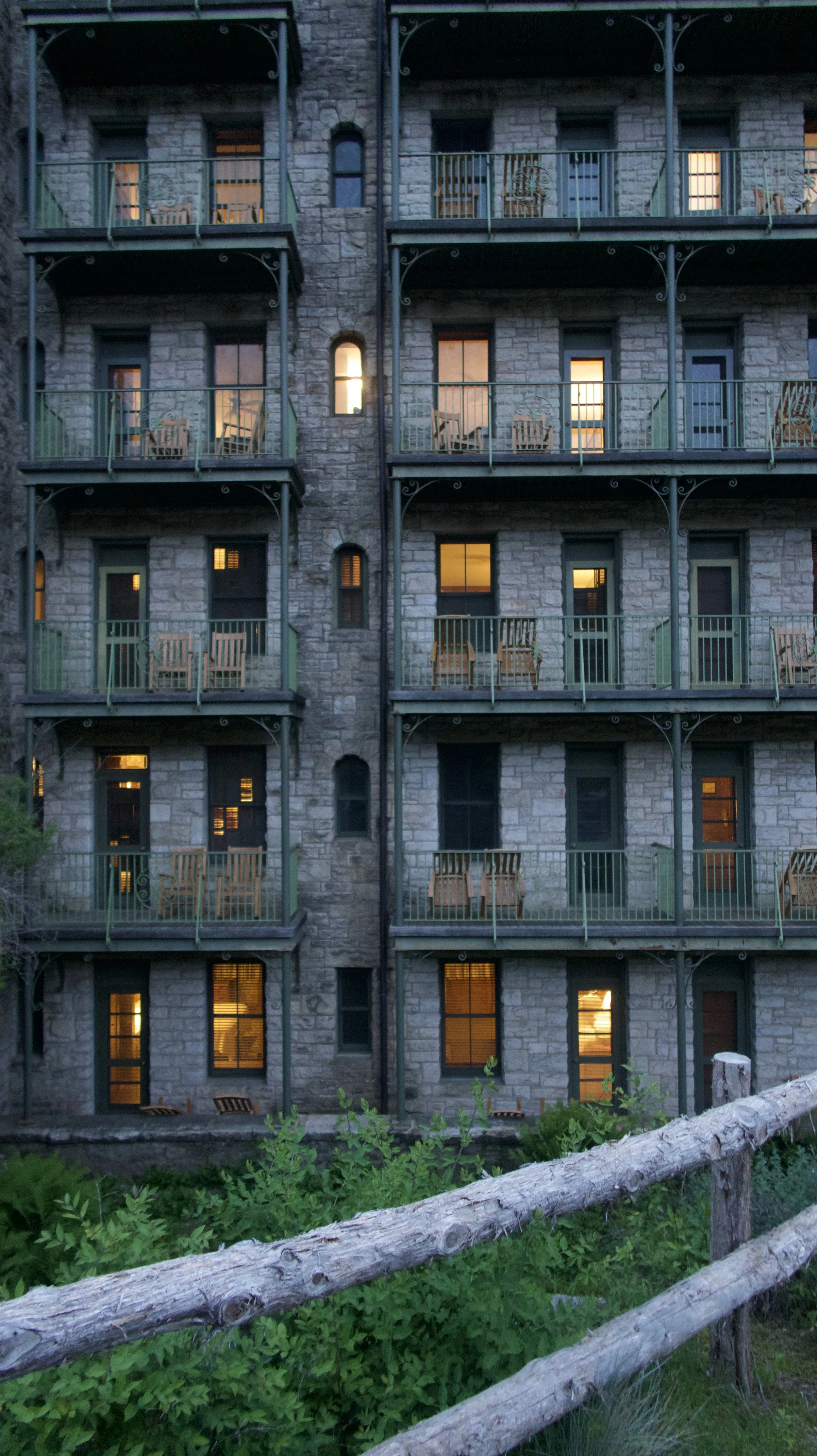
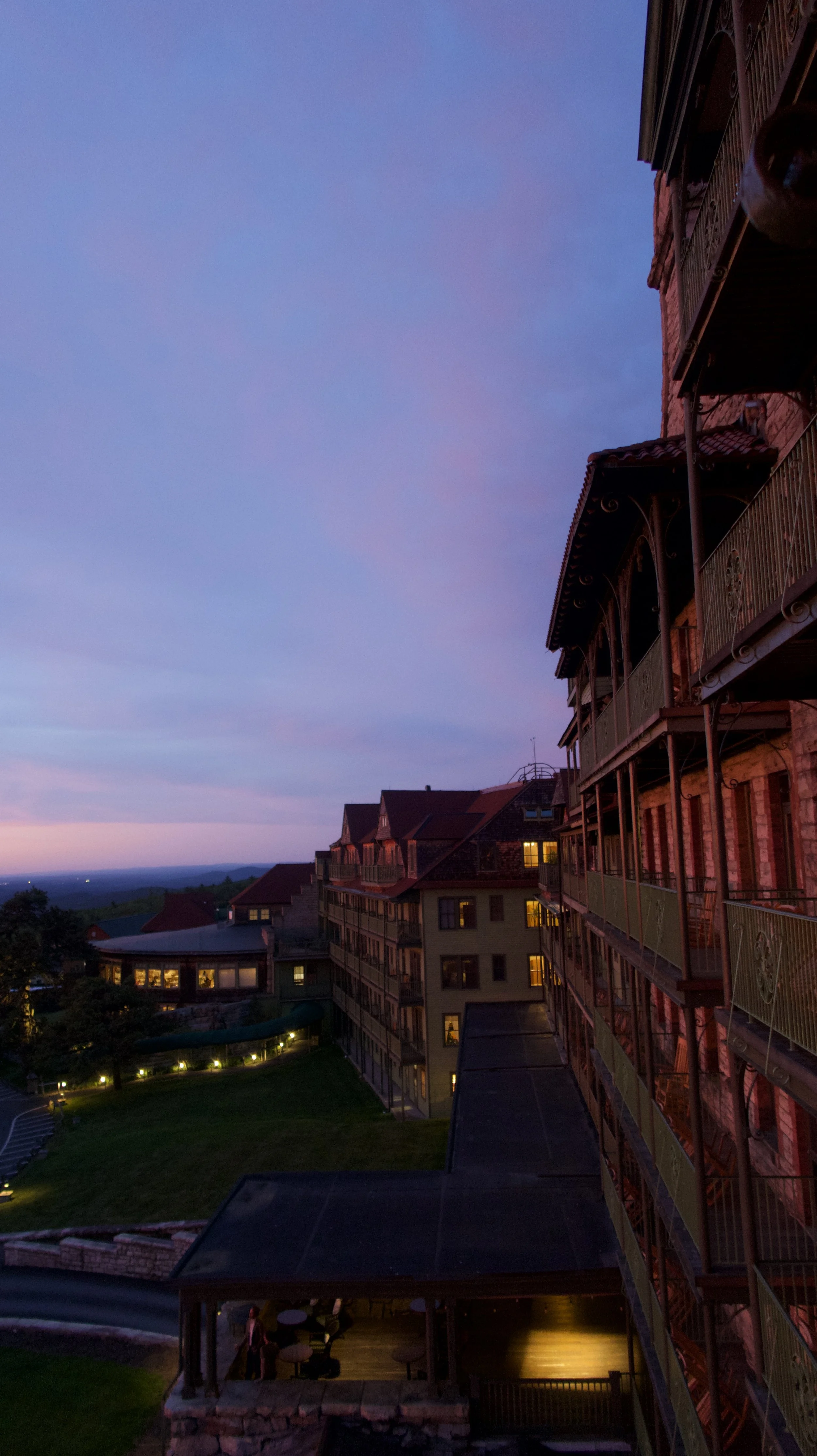
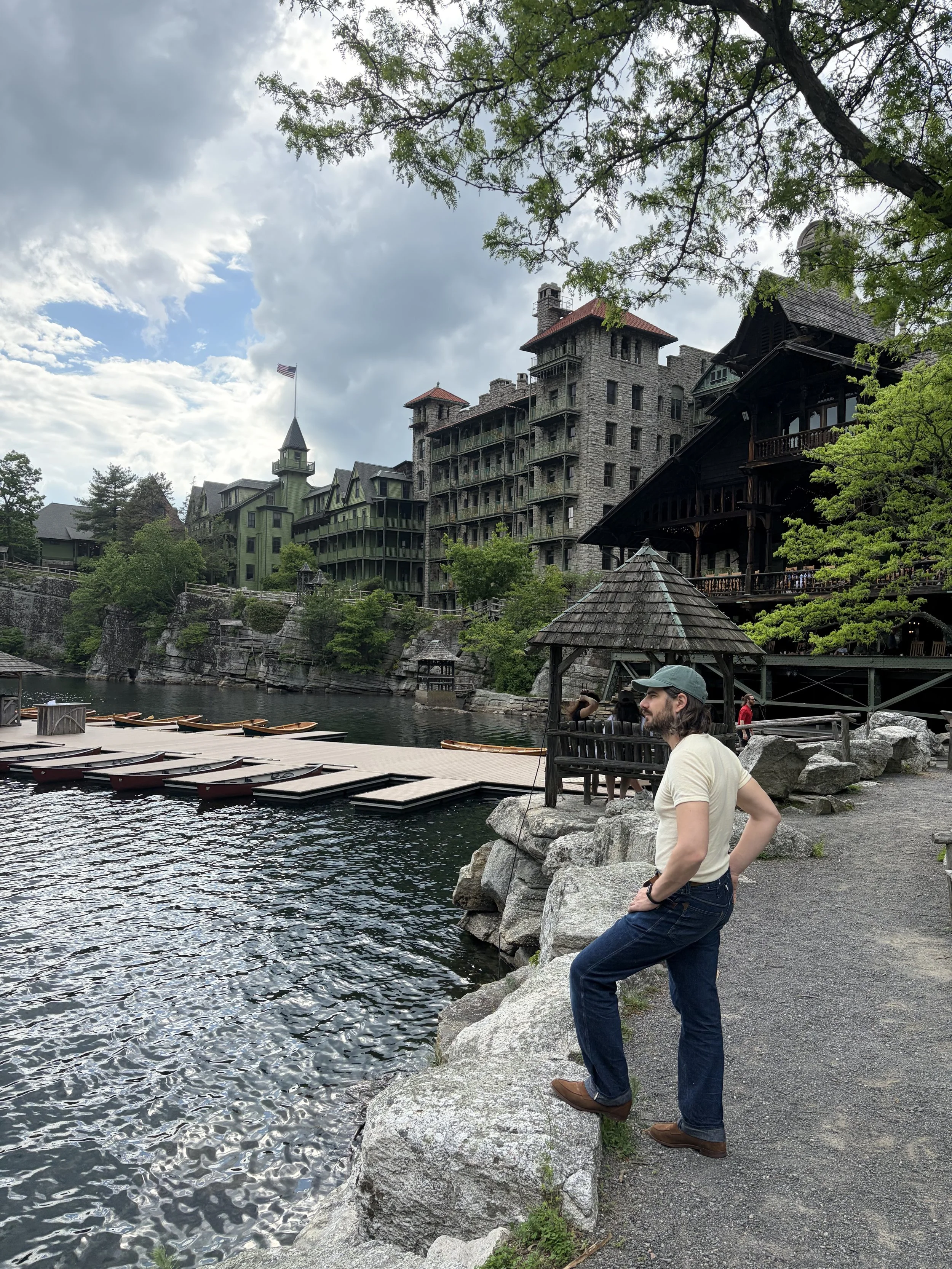
Every itinerary needs a final chapter that earns the ones before it, and Mohonk Mountain House is ours. Founded in 1869 by Quaker twin brothers Albert and Alfred Smiley on a glacial lake in the Shawangunk Ridge, the turreted Victorian castle has been owned and operated by the same family for six generations — a National Historic Landmark since 1986, and a founding-era member of Historic Hotels of America.
We arrived the way most guests still do: by a carriage road cut by dynamite in 1871, past a stone summerhouse from the 1880s, toward a silhouette writers have compared to a fairy-tale castle and, more than once, to Hogwarts. It felt like the right place to close a journey that began in a muddy antiques field — proof that the thread connecting a vintage jacket to a 150-year-old hotel is really the same thread all along: things, and places, worth keeping.
TRAVEL COMPANION
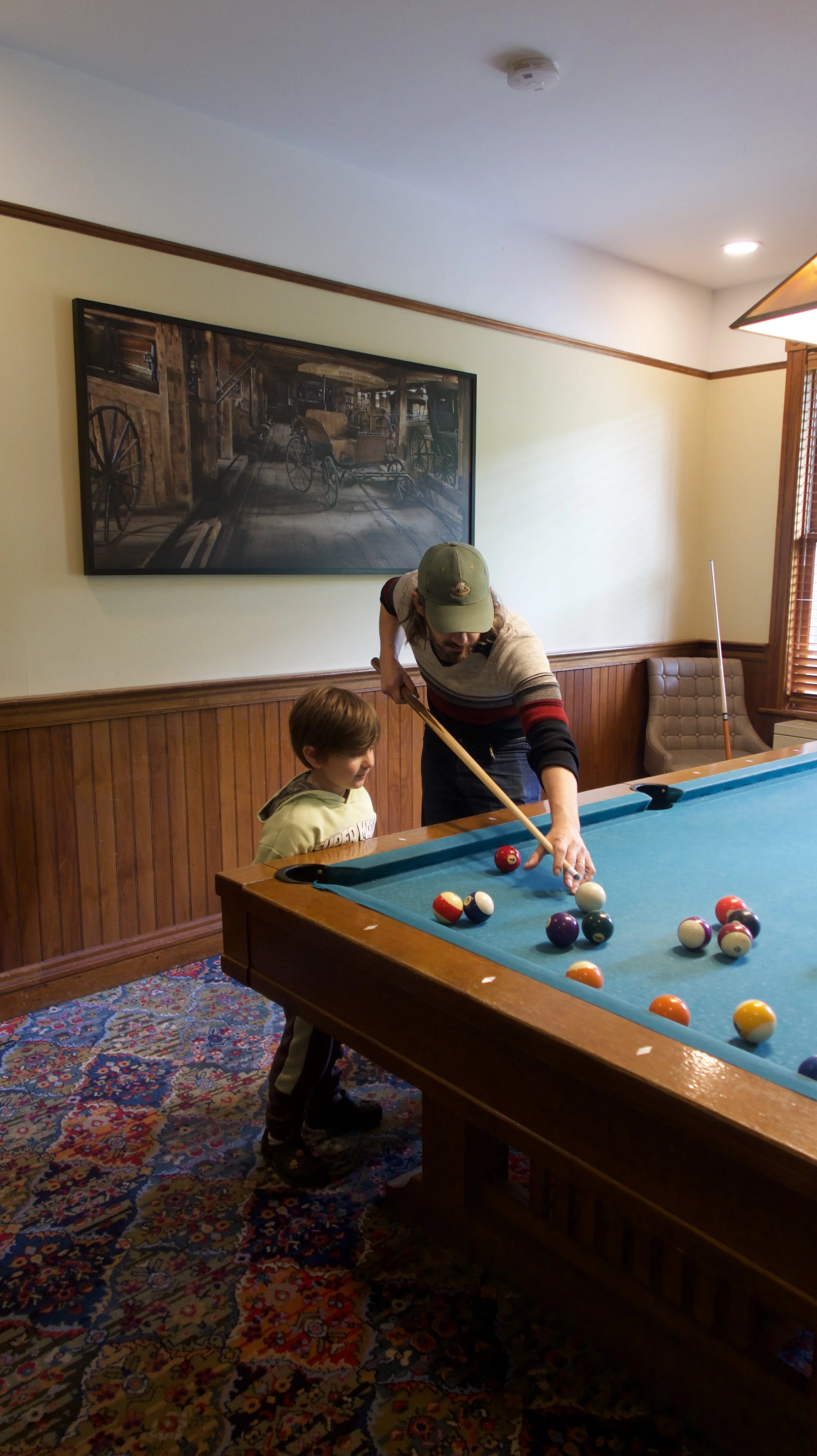
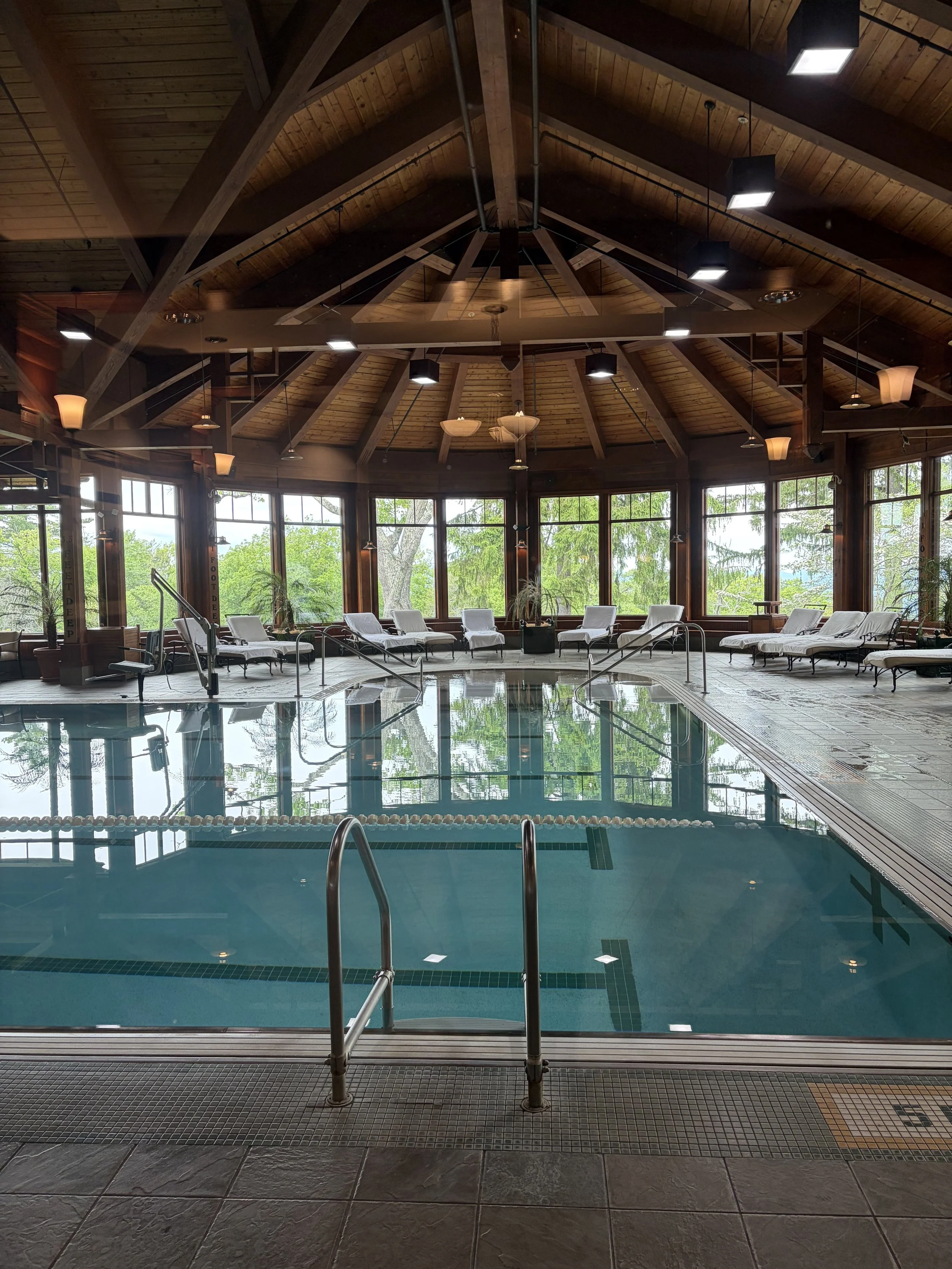
Best for Closing the loop — hiking, the lake, and slowing down after eight days of road.
Getting back New York City — approx. 1h45. Albany International Airport — approx. 1h.
Before You Go: A Regional Reading List
The Berkshires and the Hudson Valley have shaped more American writing and painting than most travelers realize — and knowing a little of it changes how the drive feels.
— Edith Wharton, whose Lenox estate The Mount sits a short drive from North Adams, and whose novels return again and again to this landscape.
— Herman Melville, who wrote Moby-Dick at Arrowhead, his farmhouse in Pittsfield, in view of a whale-shaped mountain ridge.
— John Burroughs and Henry David Thoreau, both threaded directly through Troutbeck's own history — Thoreau's final letter was written from that house.
— The Hudson River School painters — Thomas Cole and Frederic Church chief among them — who first taught America to see this exact valley as worth painting.
— Alice's Restaurant (1969), Arthur Penn's film of Arlo Guthrie's song, set and shot in Stockbridge, in the heart of the Berkshires.
Continue the Journey
Nine days. Five hotels. A red thread running from a hay field in Brimfield to a castle on a glacial lake, tying together every stop in between.
What connects a Brimfield dealer's table to a 250-year-old farmhouse in Amenia, or a converted motel in the Catskills to a Victorian mill town in the Berkshires is the same instinct AVANT has followed since our first issue on vintage clothing: an appreciation for things built to last, cared for by people who understood what they had, and given a second life instead of a demolition date.
This is Chapter One of the AVANT Heritage Travel Series. Every future chapter will follow the same principle to new landscapes: places shaped by craftsmanship, marked by memory, and run by people who chose continuity over convenience.
Because the best journeys don't end when you return home. They simply become the beginning of the next one.
The AVANT Heritage Collection
This guide is the first chapter of an ongoing series, and the properties within it form the beginning of what we call the AVANT Heritage Collection — not an award, and not advertising, but a curated editorial selection.
A property earns its place in the Collection because it embodies continuity, craftsmanship, and cultural significance — never because it paid for inclusion. Selection comes first, through the same reporting and sourcing standard applied throughout this series. Collaboration — photography, print features, social storytelling, joint events — is only ever discussed after that editorial bar has been met.
AVANT Architecture & Living is published with the same the editorial rigor AVANT has applied to American vintage clothing since our founding to the buildings that house it.
To discuss a feature, a partnership, or a future chapter of this series, reach AVANT at hello@theavantmag.com.