
Inside the Archives of M47Vintage
At AVANT, we've always aimed to give a voice to the collectors, dealers, and enthusiasts who shape the world of vintage clothing. In 2025, we dedicated an entire issue to interviews with some of the most influential figures in the vintage, workwear, and menswear community. With Eric Maggiori's Collection Volume 2, we wanted to continue that mission by highlighting renowned vintage collectors and sharing a glimpse into their archives, their stories, and the exceptional garments that define their collections. Our goal is simple: to introduce readers to inspiring personalities and encourage them to explore the fascinating world of vintage collecting even further.
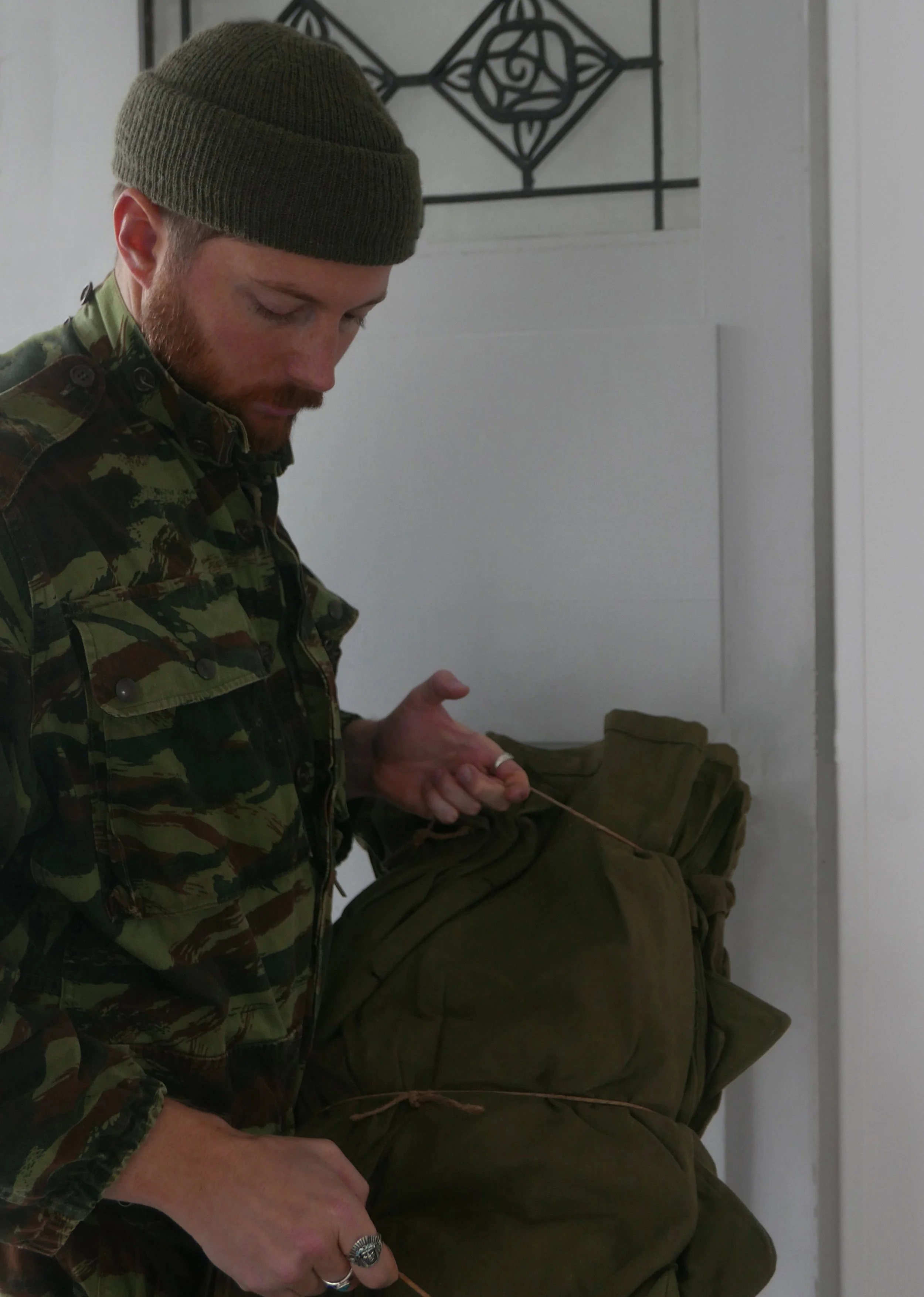
The Man Behind M47
France is home to some exceptional collectors, particularly in the world of militaria and French workwear. Johan Fasquelle Kozjan is undoubtedly one of them.
We first connected with Johan in 2019 through email and finally met in person in 2023. A longtime supporter of AVANT, he was among the enthusiasts who helped launch our very first issue through Kickstarter back in 2018.
Johan is the founder of M47, a carefully curated selection of rare vintage garments, military clothing, and historical workwear pieces. Over the past fifteen years, he has developed a keen eye for exceptional garments while working with prestigious archives, including Chevignon.
Specializing in militaria, French workwear, and vintage archives, Johan is constantly searching for pieces that tell a story. When asked what determines whether a garment remains in his personal archive or eventually finds a new owner, his answer was straightforward:
"It's the uniqueness of a piece. I'm not looking for a specific model. I look at the patina, the repairs, the functional modifications made over time. That's what moves me."
Johan was kind enough to share five garments from his collection, along with one accessory. Together, they offer a glimpse into the remarkable selection of rare vintage clothing and historical pieces that can be discovered every day at 65 Rue de Bretagne in Paris, within the M47 corner at KIS Paris.
What is the M47?
Johan is the founder of M47. But where does the name come from? It’s a direct reference to an iconic piece of French military clothing. The M47 uniform consisted of field jackets and trousers, usually made from cotton, as well as officer and dress uniforms made from wool cloth similar to a battledress. The official military designation was TTA-47 (Toutes Armes 1947), meaning the uniform was issued across all branches of the armed forces. It was worn not only by the Army and the Air Force, but also by mechanics, field journalists, and even cooks. The uniforms were mainly distributed in the early 1950s and remained in service until the mid-1960s, when they were replaced by the M64 uniform. Today, the M47 field trousers are especially sought after by collectors. Four main versions can be identified:
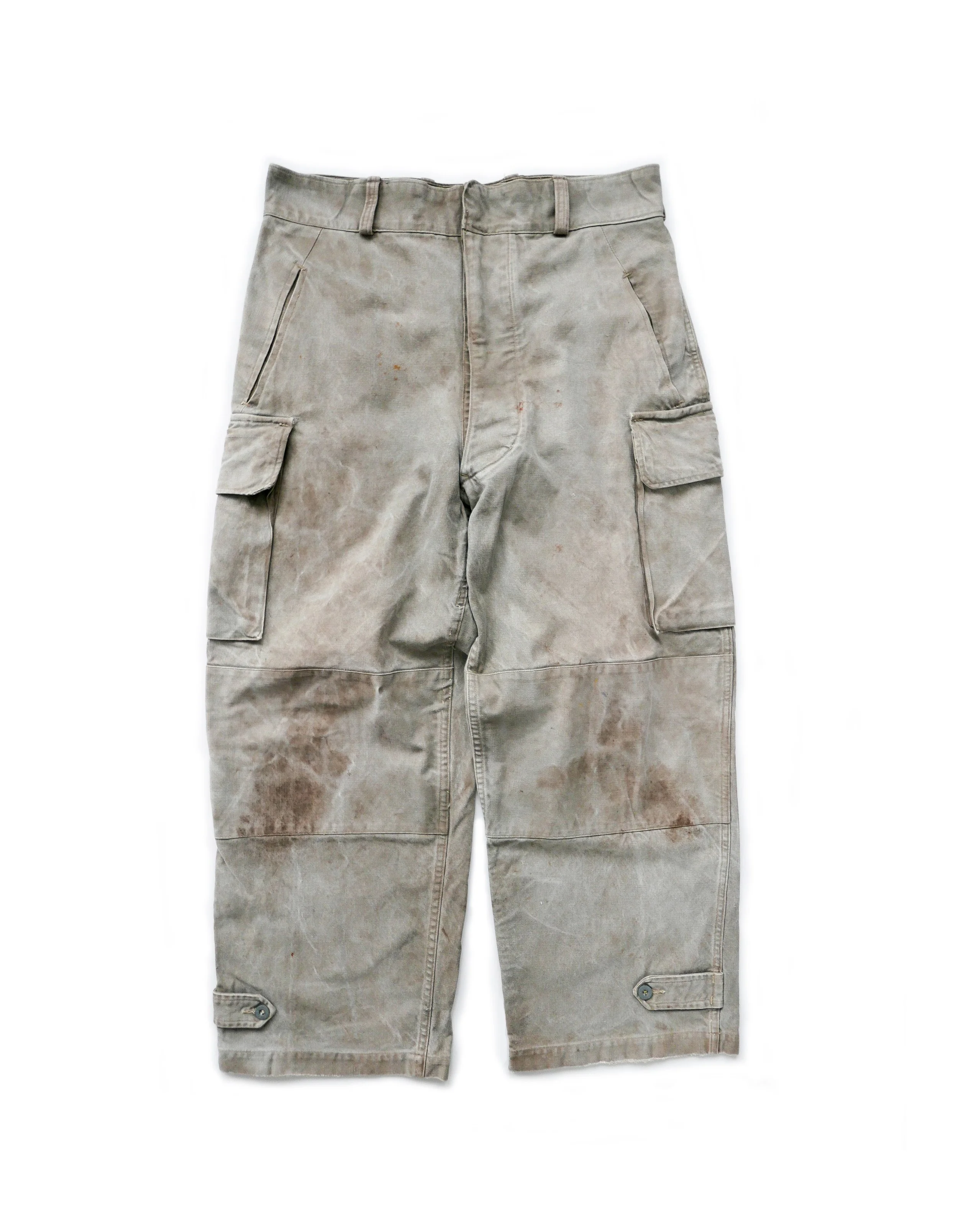
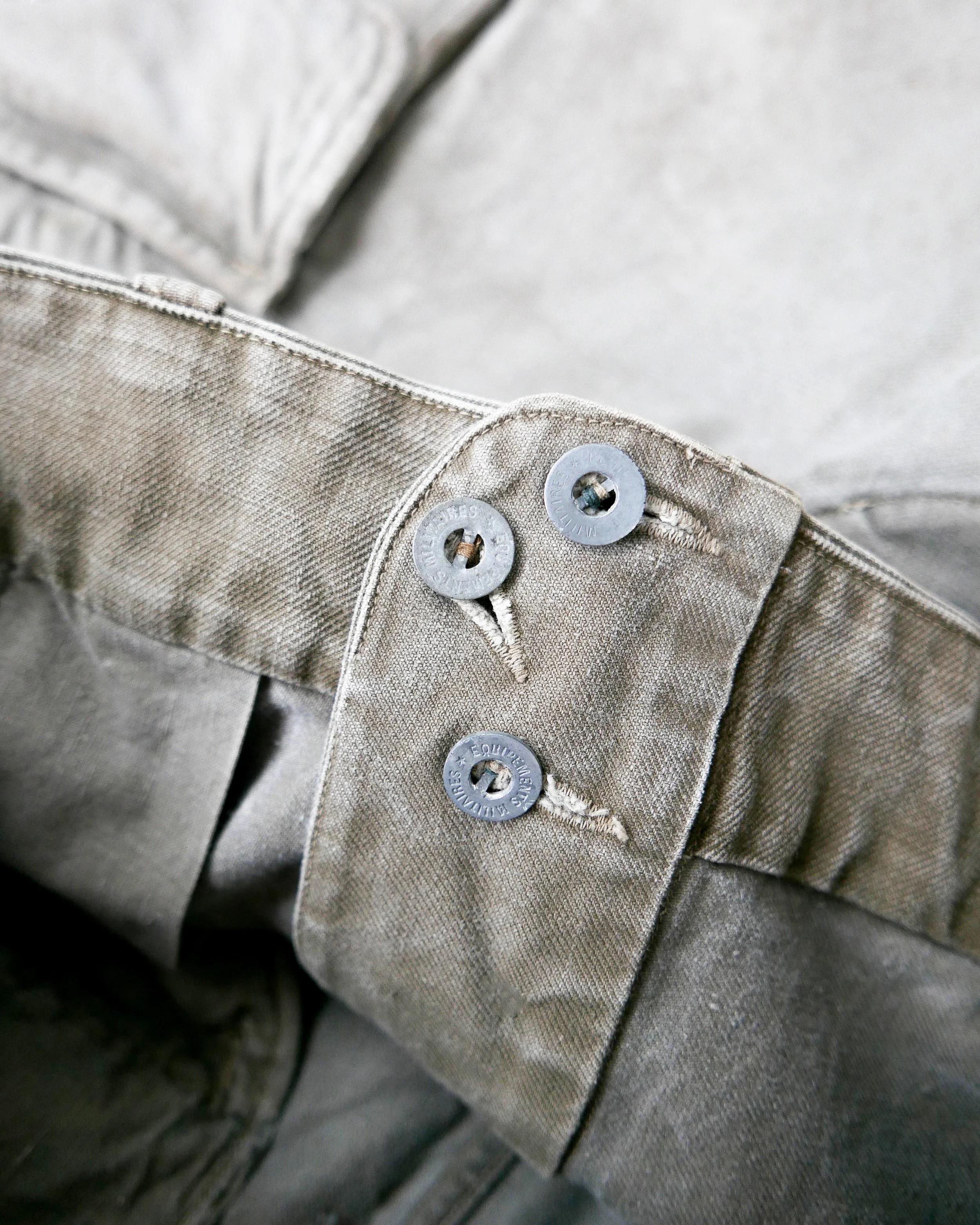
• Type 1 (1947), recognizable by three hidden buttons at the waistband, often made of aluminum equipment hardware.
• Type 2 (1950), this version features two hidden buttons at the waistband.
• Type 3 (1953), the two waistband buttons are now visible rather than hidden.
• Type 4 (1959), only one visible button remains at the waistband. Most were made from HBT cotton twill, and the cut became slightly more fitted.
M47 Pants, type 1
This early example of M47 pants stands out for its unusually light, almost sun-bleached patina. It suggests prolonged exposure to harsh sunlight, likely in a tropical environment. Pieces like this are often linked to the Indochina War, where French troops faced intense heat, humidity, and demanding terrain. In those conditions, the fabric would fade, soften, and gradually adapt to the climate.
The M47 was designed with function in mind. But beyond its technical qualities, it is the wear that defines this pair. The near bleached tone, shaped by sun and time, transforms a standard issue uniform into something unique. A quiet record of movement, climate, and use.
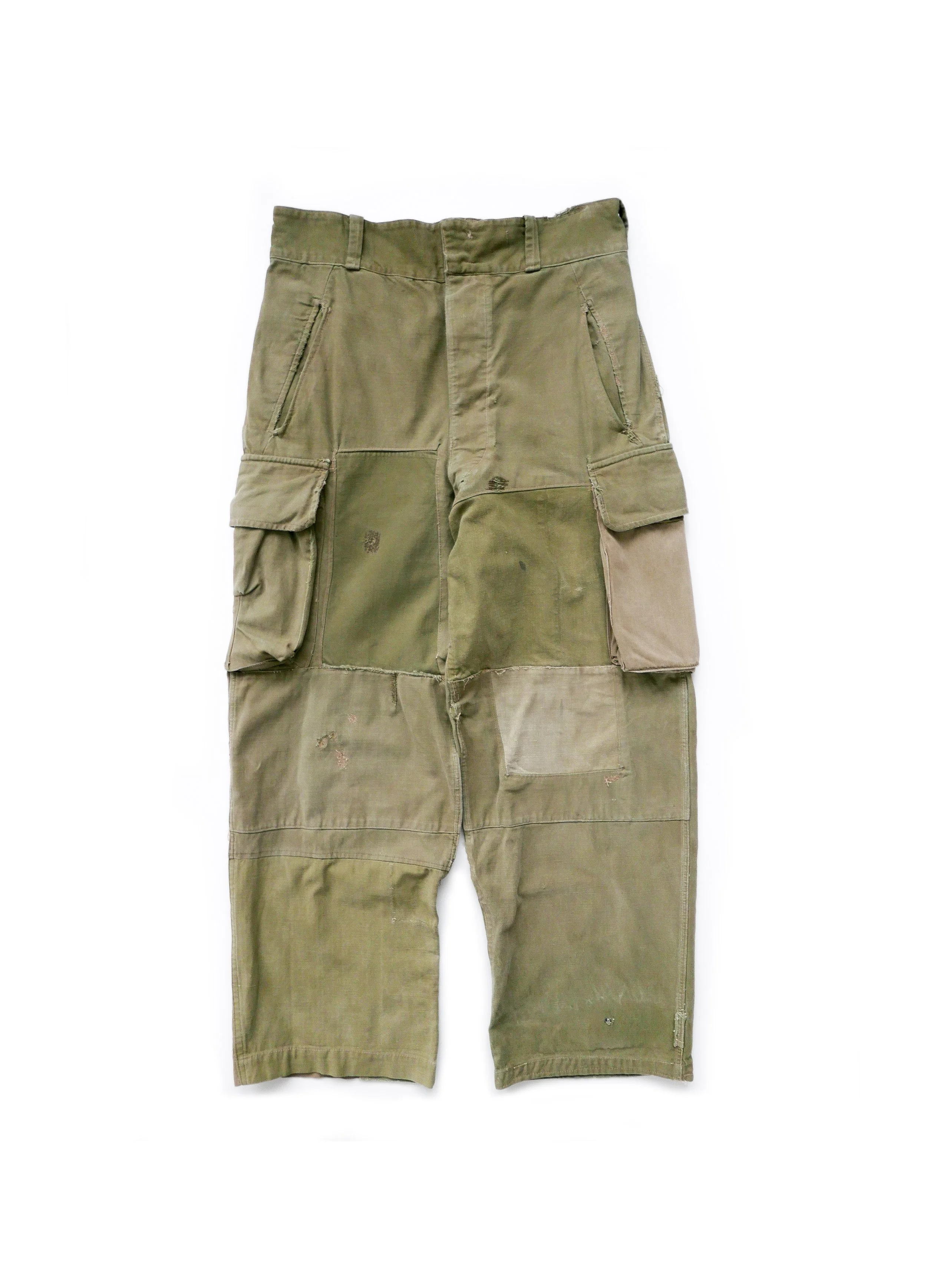
M47 Pants, type 2
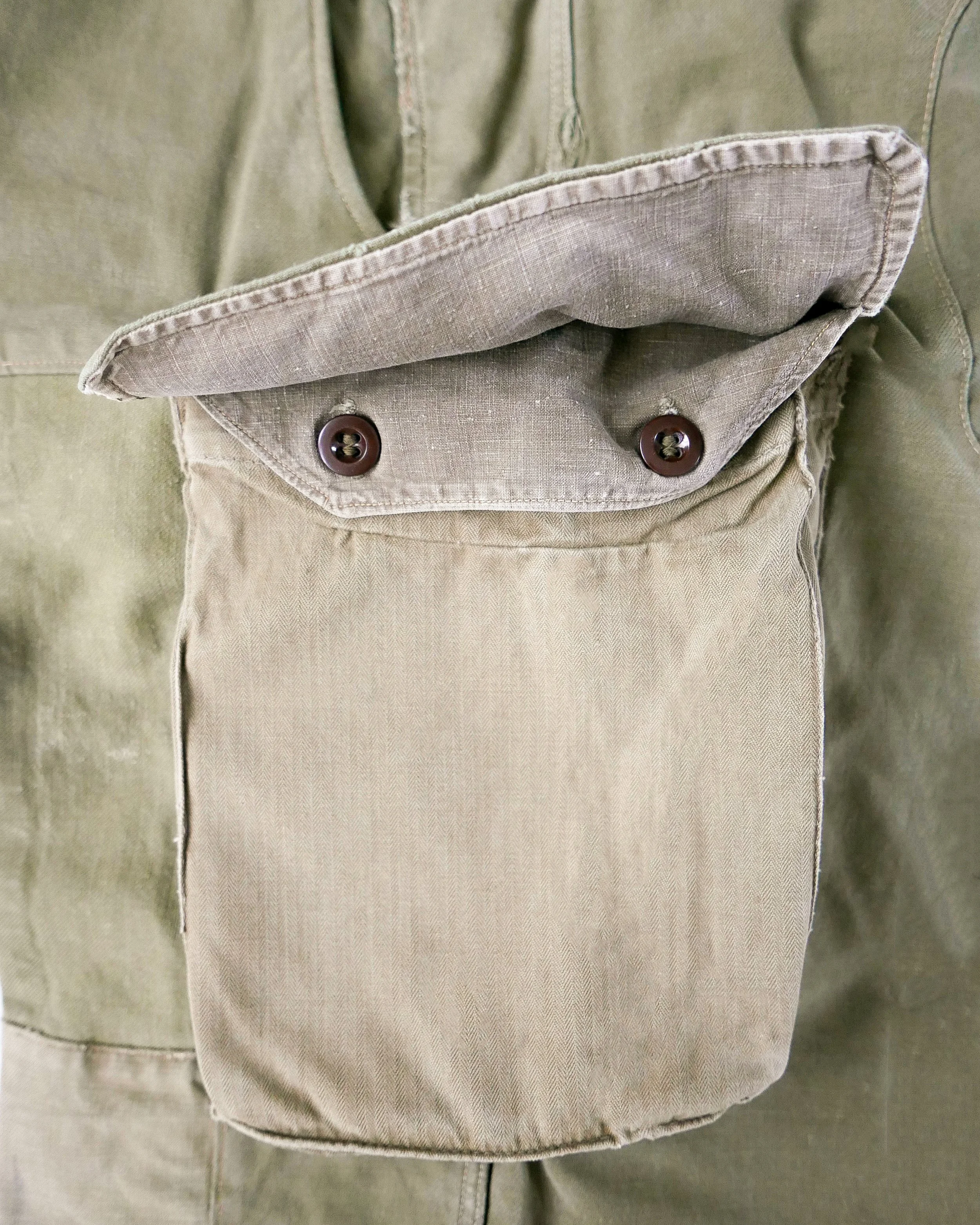
These pants date from the early 1950s. At first glance, they almost feel chaotic. Different shades of green, mismatched fabrics, visible repairs across the entire surface. But the longer you look, the more it starts to make sense. At some point, someone decided they were worth saving. Not once, but several times. Each repair was done with whatever was available. A lighter cotton here, a heavier twill there, stitched in without concern for uniformity. Every patch remains visible, creating a layered surface where original fabric and later additions coexist. That contrast gives the piece a depth you rarely find on untouched examples.
Indochine War set
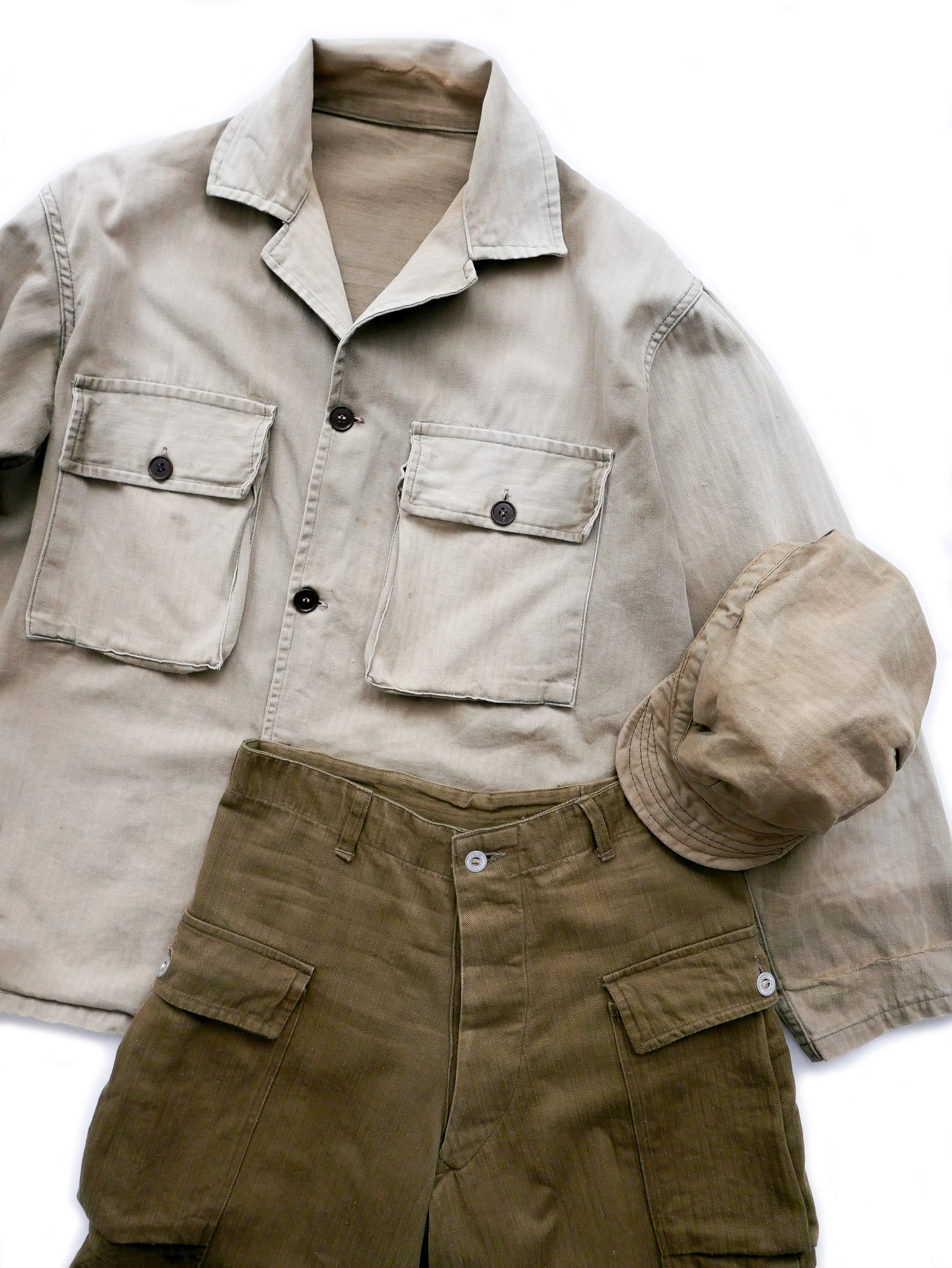
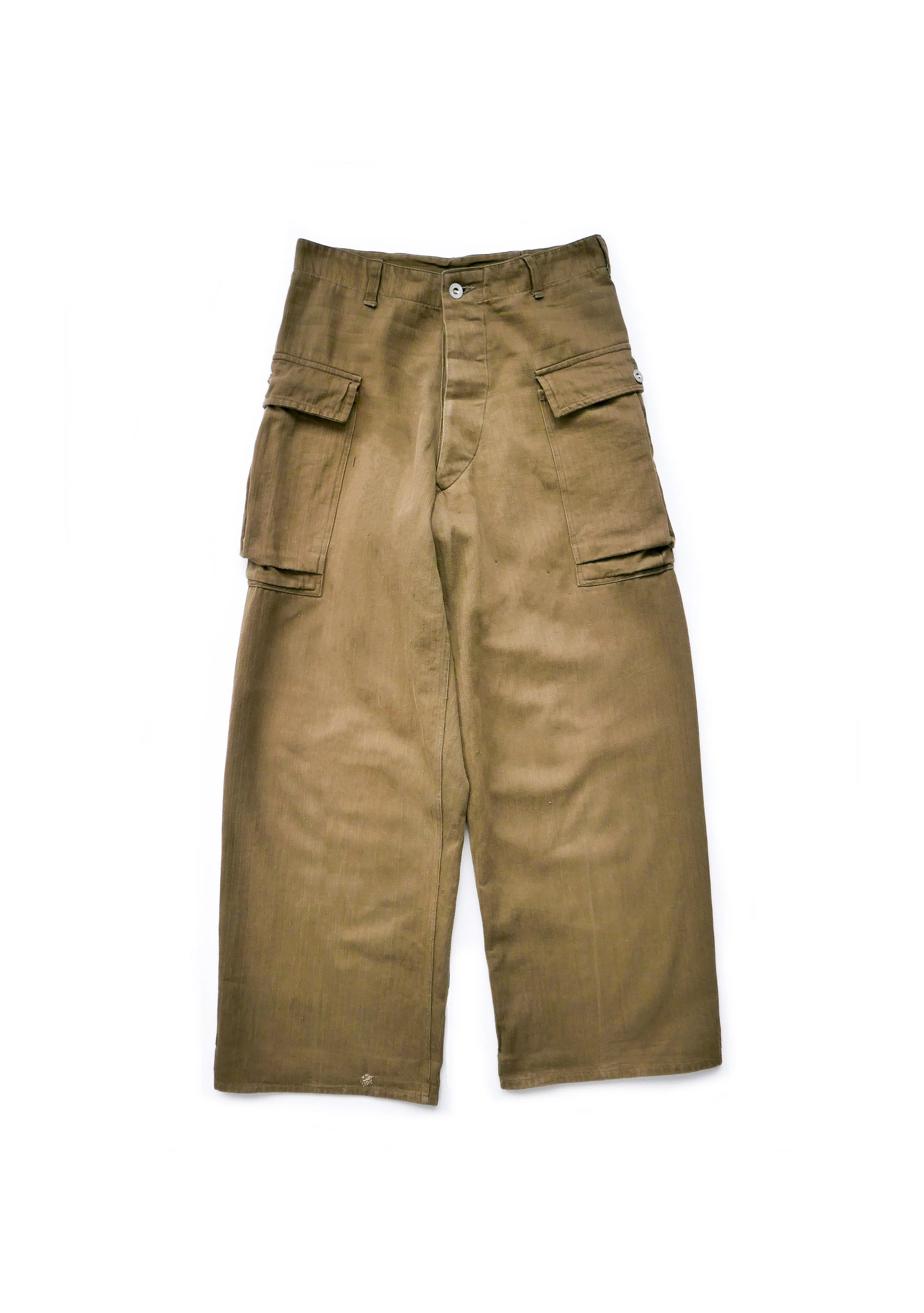
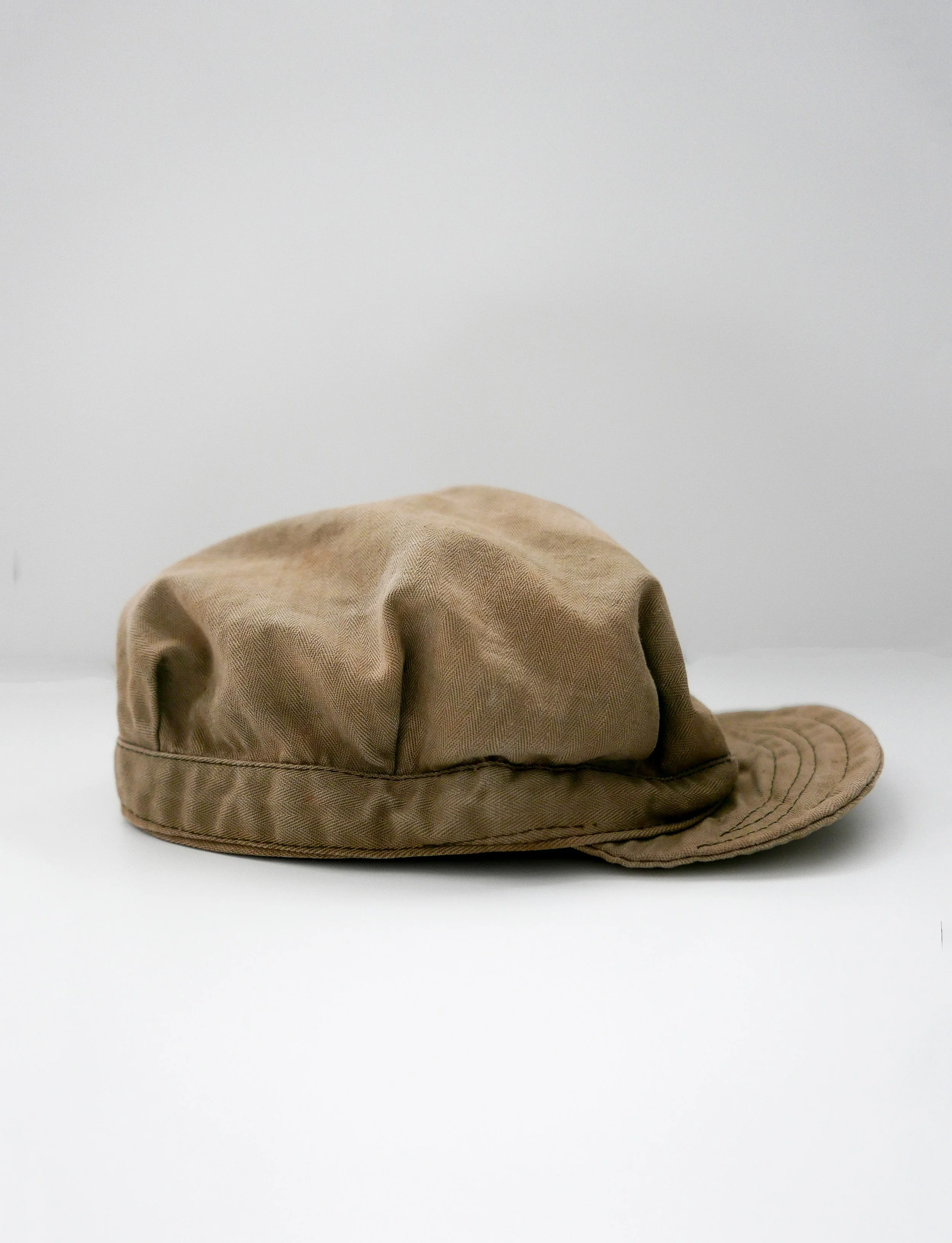
This set dates from the late 1940s to the early 1950s, during the Indochina War. The cut, the pockets, the overall silhouette clearly echo the US Army P43. But the closer you look, the more it shifts. The fabric is lighter, the construction slightly irregular, the tone shaped by a different environment. These pieces were locally made, likely produced to meet the immediate needs of troops on the ground. The trousers, in particular, were issued to soldiers of the Indochinese contingent, which gives them a very specific context. The jacket, the pants, and the cap all carry the same sun faded surface, marked by heat and long wear. The tones shift slightly from one piece to another, the textures respond differently to time, yet everything belongs together. It reads as a uniform shaped by its environment, by the climate, and by the conditions in which it was worn.
P43 jacket
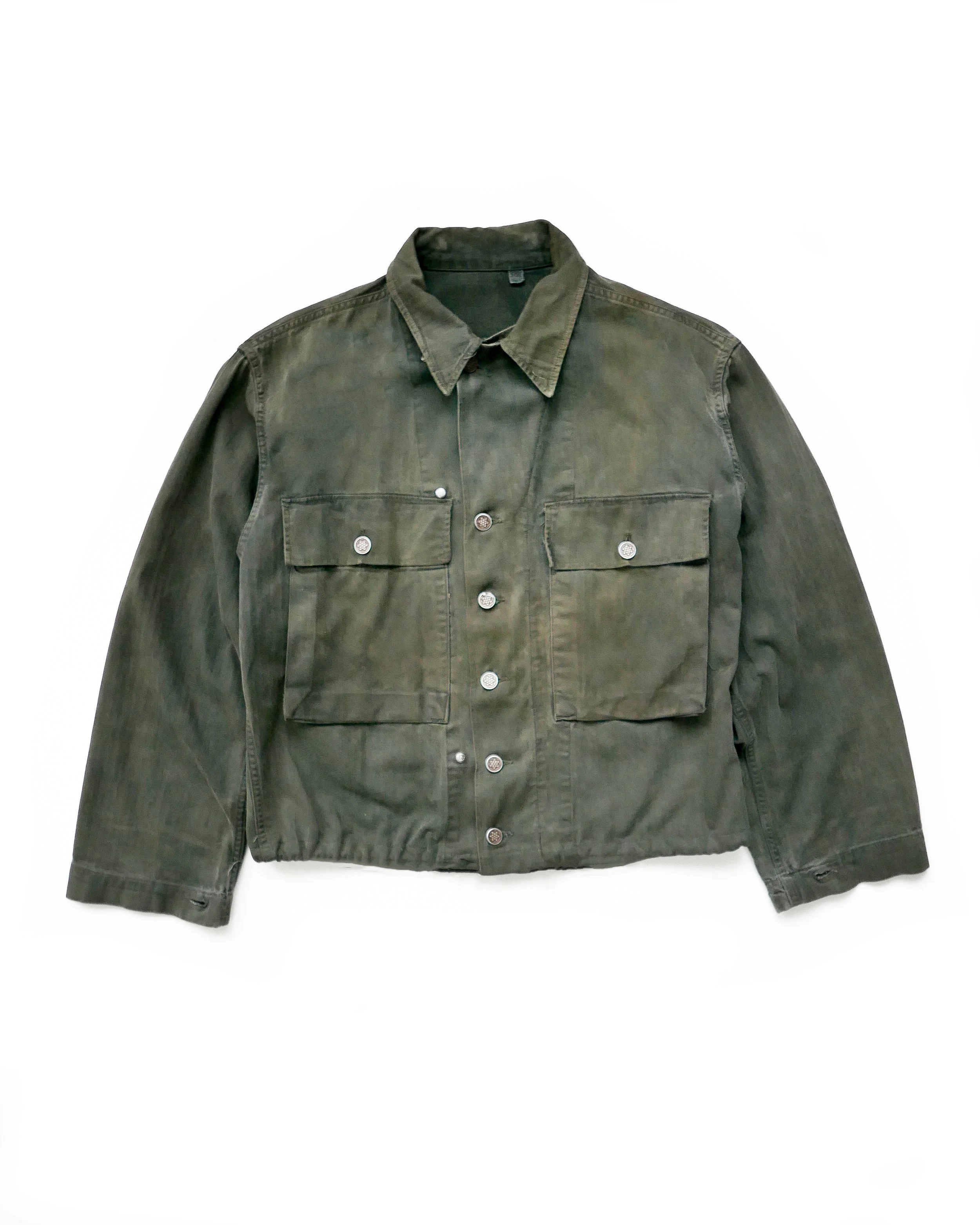
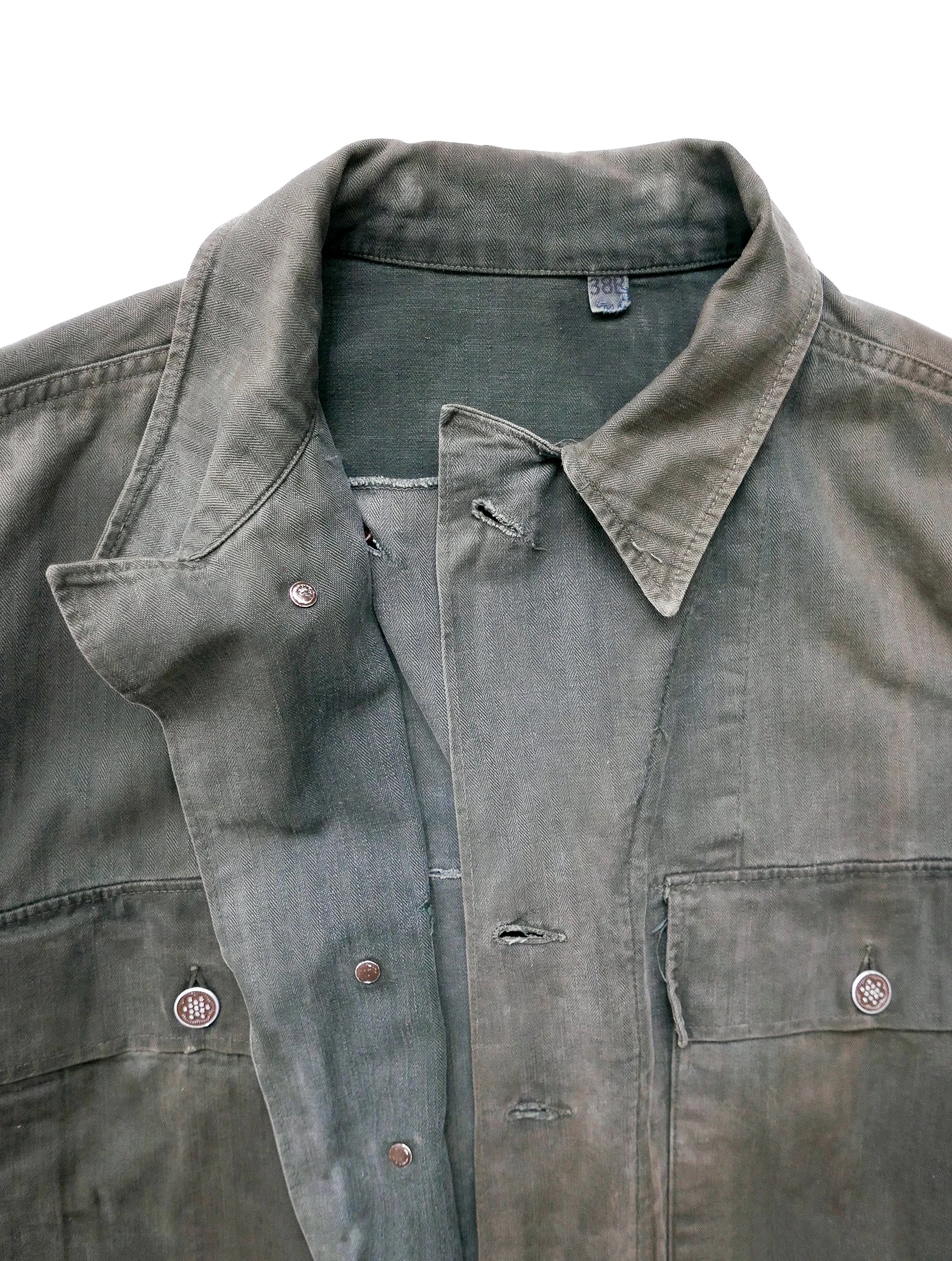
This jacket began its life as a standard P43, issued to the US Army during World War II. But at some point, it changed hands. The original olive tone was overdyed to a darker shade, and the silhouette was altered. The length was shortened, bringing it closer to a battledress style, more practical and more ‘controlled’. Garments like this were often altered to be worn by prisoners of war, sometimes marked with the initials “PW.” Both lives remain visible. The original structure is still there, with its two chest pockets and simple construction. But the proportions feel slightly off, reshaped to fit a different use. That shift is what gives the piece its character.
Other renowned collectors, including Dean Hashimoto, Wouter Munnichs, and Ricci Lau, have also shared exceptional pieces from their collections in Eric Maggiori's Collection Volume 2, available here.
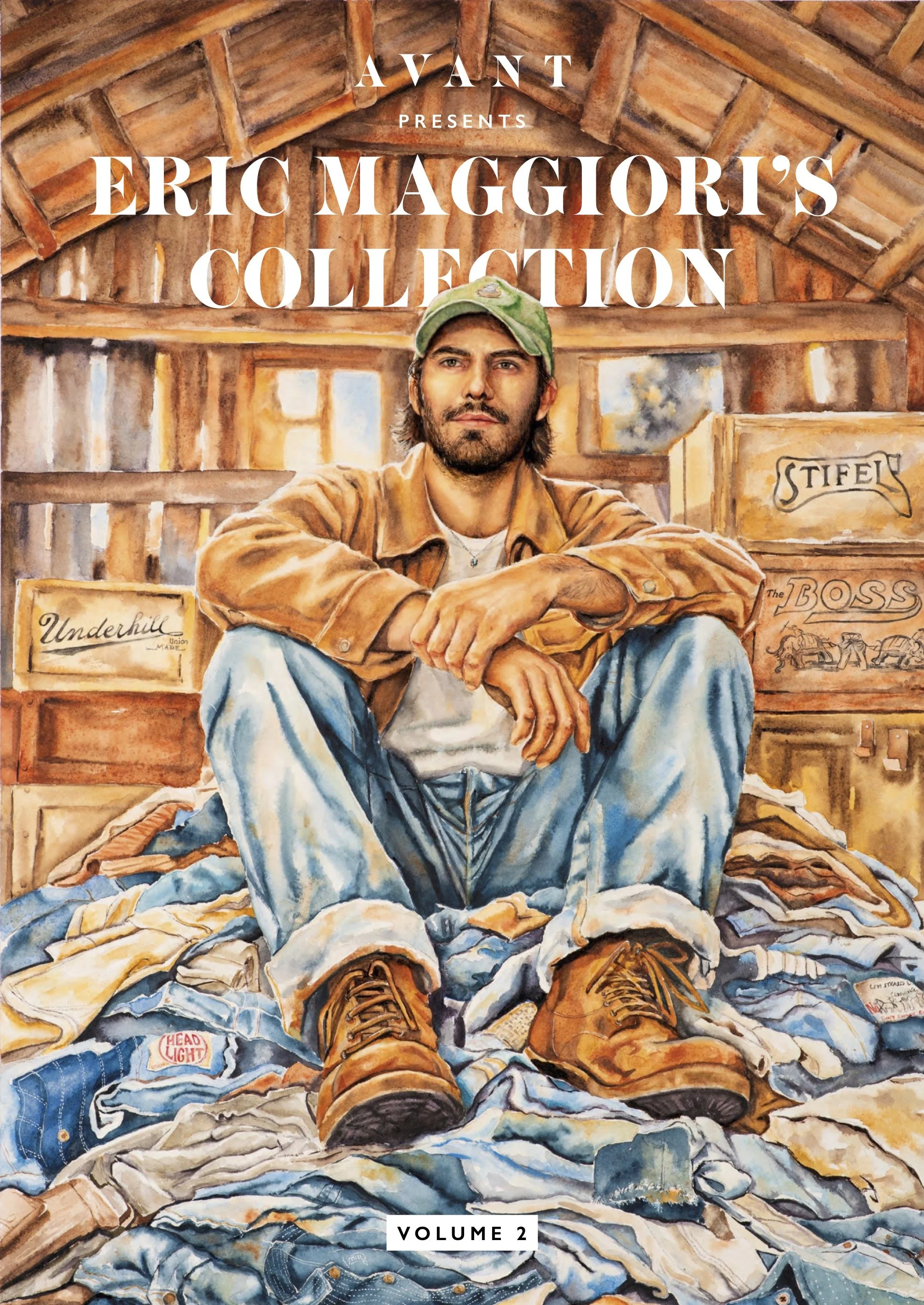
260 pages + 2 hours of exclusive films. Eric Maggiori's complete archive: American workwear, militaria, Stifel, European workwear, vintage tees. The reference book serious collectors use.
Eric Maggiori has spent years acquiring pieces most collectors will never see in person. Volume II puts that knowledge directly in your hands not as a coffee table object, but as a working reference.
And when the page isn't enough, you scan the QR code and hear Eric explain it himself. Over two hours of that, included.
Inside you'll discover
American Workwear: Understand why certain pieces are worth 10x what the market thinks, from the Gold Rush to the mid-20th century
European Workwear: The undervalued category. Get ahead before everyone else catches on
American Militaria: Fatigue uniforms, flight jackets, field gear. Authenticate pieces most experts miss.
J.L. Stifel & Sons: The rarest textiles in the archive. The knowledge most dealers get wrong
Vintage Tees & Sports Memorabilia: The most personal part of the archive which is also the most unpredictable one.
The QR Experience
Every garment is paired with a QR code linking to a short film presented by Eric himself, in front of the piece, explaining what it is, where it came from, and what most people miss.
Over two hours of exclusive content. Embedded throughout 260 pages.
Part book. Part documentary. The kind of object you study, reference, and pass down.
Specs: 260 pages · Softcover · Full color · 170 × 240 mm · English
📍 Worldwide Shipping France/EU: €5–15 | UK: €12–18 | US/Canada: $10–15 | Asia/Other: €40–60
💡 Bundle tip: Buy 2+ items in one order = lower shipping cost per item
✓ Exact cost calculated at checkout