Cowichan Sweater: The True Story Behind Menswear’s Most Iconic Cardigan
Few garments in menswear carry as much cultural weight, controversy, and authenticity as the Cowichan sweater. Often copied, frequently misunderstood, and endlessly romanticized, this heavy-knit cardigan is far more than a cold-weather staple.
It is the product of Indigenous craftsmanship, economic survival, and a century-long dialogue between tradition and fashion.
This is the true story of the Cowichan sweater , and why it still matters today.
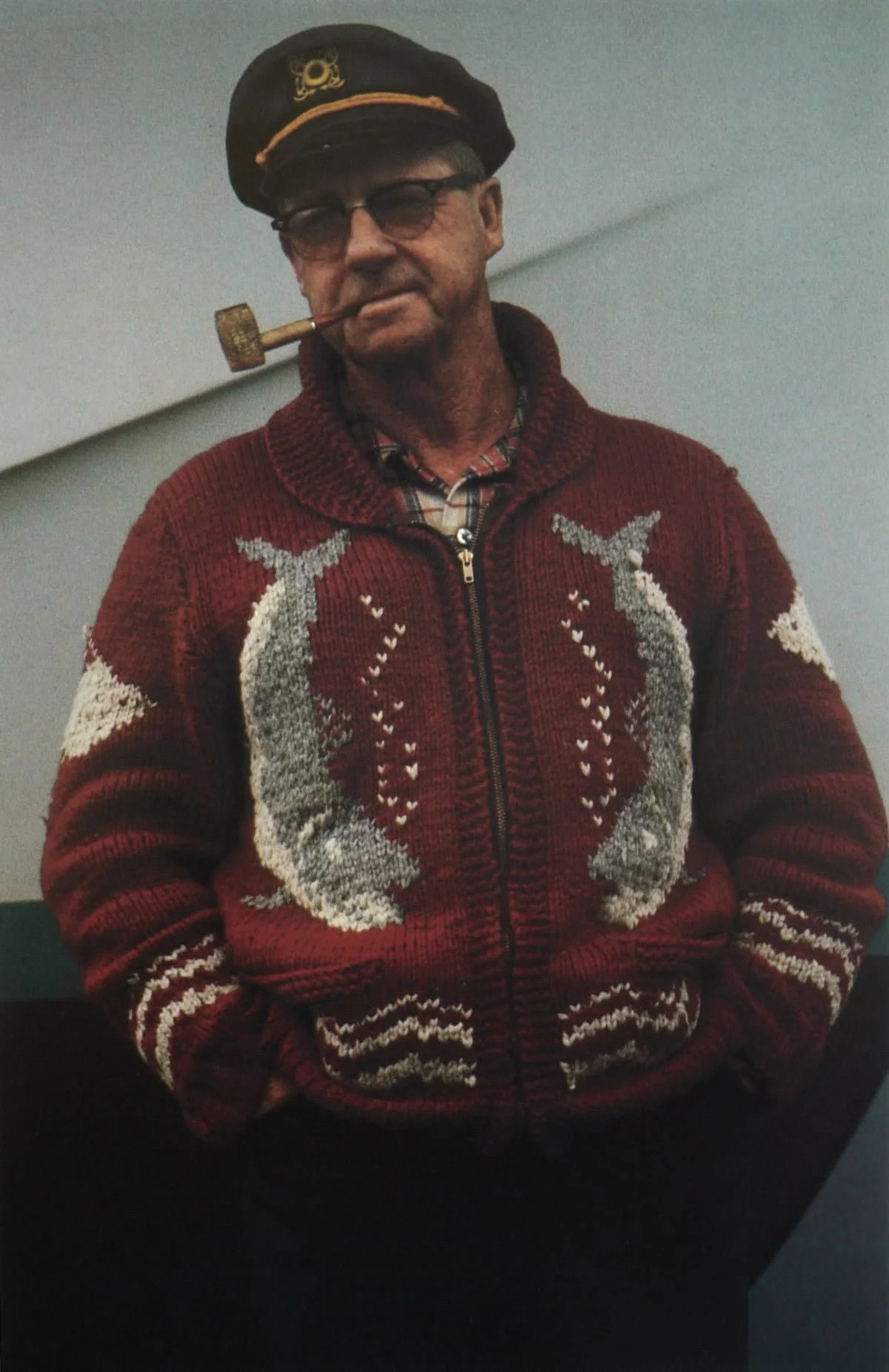
An Indigenous Origin: Coast Salish Women and the Birth of the Cowichan Sweater
The Cowichan sweater originates from the Coast Salish peoples of the Pacific Northwest, particularly the Cowichan communities on Vancouver Island, Canada.
Long before European contact, Coast Salish women were master textile makers. They worked with mountain goat wool, dog hair, and plant fibers, weaving ceremonial blankets that held social, economic, and spiritual value.
In the late 19th century, European settlers introduced knitting techniques to the region. Coast Salish women adapted these methods using their own fiber knowledge, creating a new garment:
a hand-knitted, unspun, single-ply wool sweater, dense enough to withstand the harsh coastal climate.
The result was something entirely new: a hybrid garment combining ancient Indigenous textile knowledge with European knitting structure.
In 2011, the Canadian government officially recognized Coast Salish knitters and the Cowichan sweater as an Event of National Historic Significance, acknowledging its cultural continuity, economic importance, and technical uniqueness.
What Makes a Real Cowichan Sweater?
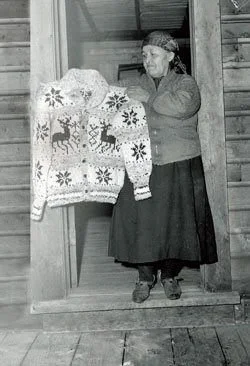
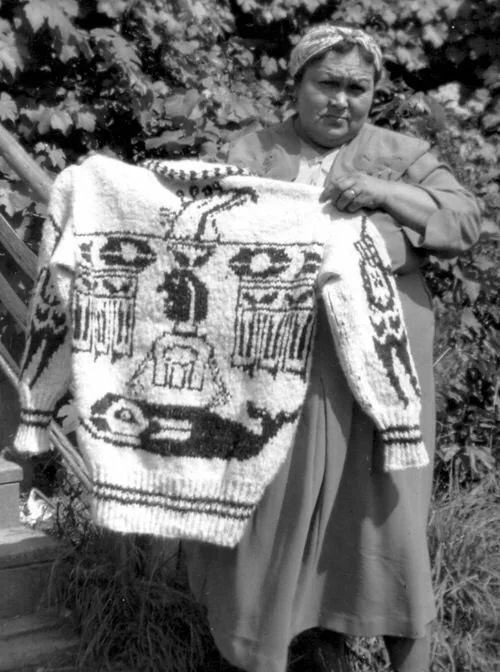
A true Cowichan sweater is defined by process, not pattern.
Authentic characteristics include:
Hand-spun, single-ply wool (never machine-spun)
Hand-knitted construction
Heavy gauge and natural lanolin retention (often water-resistant)
Traditional geometric or animal motifs (eagles, whales, wolves)
Typically finished with a shawl collar and zip or button closure
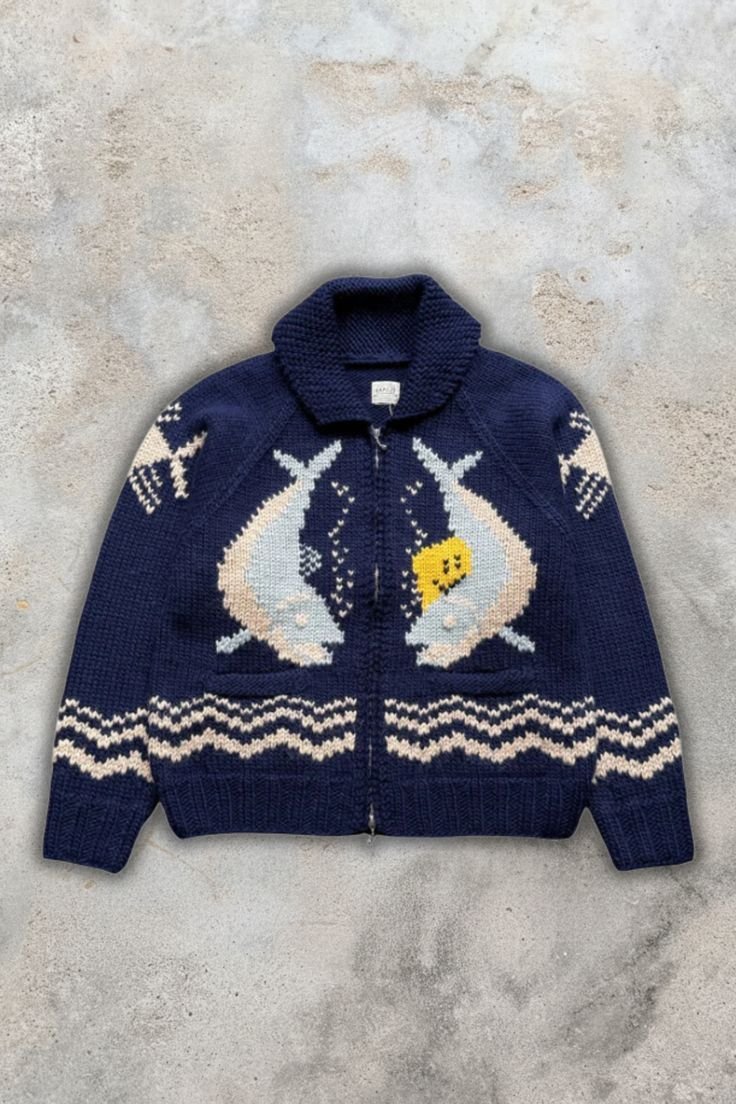
No two sweaters are identical. Each piece reflects the hand of the knitter and the lineage of knowledge passed down through generations of Coast Salish women.
This level of craftsmanship cannot be replicated industrially — and that’s precisely why the Cowichan sweater occupies a unique place in menswear history.
From Local Craft to Global Icon (and the Economics Behind It)
By the early 20th century, Cowichan sweaters had become highly sought after by fishermen, loggers, and outdoorsmen for their warmth and durability. Demand quickly expanded beyond Indigenous communities.
However, this popularity came at a cost.
Middlemen, tourist shops, and later fashion brands often underpaid knitters, stripping the garment of its cultural attribution while capitalizing on its aesthetic. Despite the sweater’s growing commercial success, the women who made them rarely benefited proportionally.
This tension between heritage and appropriation remains central to the Cowichan story — and is increasingly discussed in contemporary fashion discourse.
Cowichan Sweater and Menswear: Why It Became a Classic
In menswear, the Cowichan sweater occupies a space similar to selvedge denim or military outerwear: functional origins, elevated by authenticity.
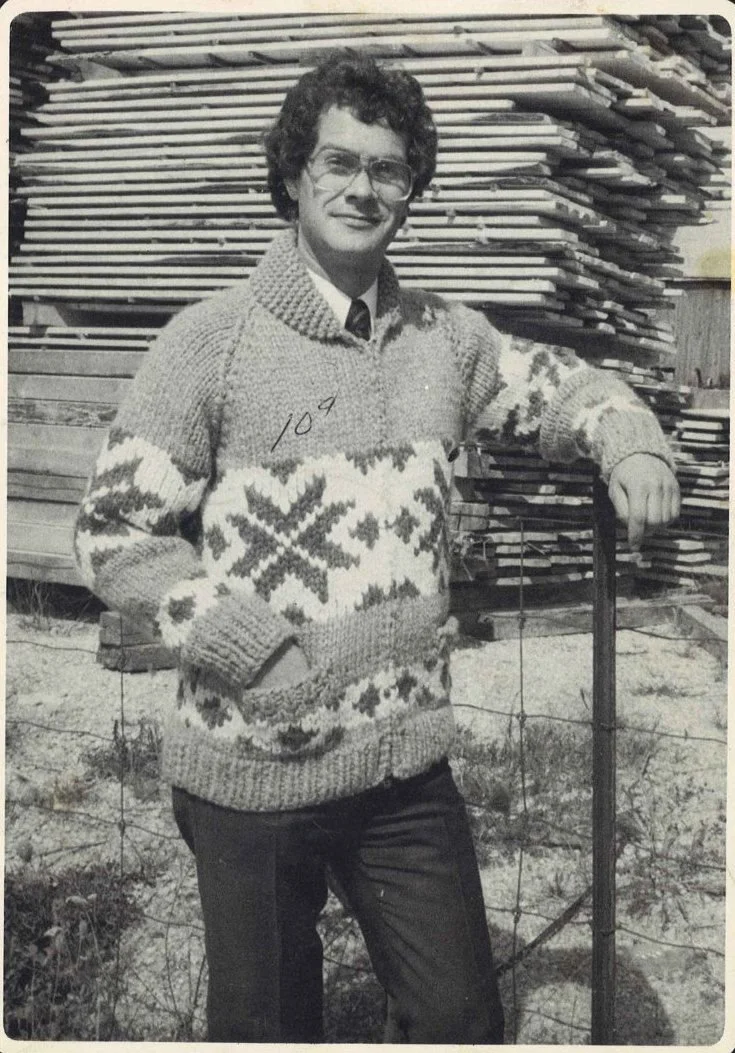
It naturally aligns with:
Americana and workwear culture
Outdoor heritage (fishing, logging, ranch life)
The rise of slow fashion and handmade garments
Unlike refined European knitwear, the Cowichan sweater is unapologetically rugged. It is bulky, imperfect, and expressive, which are qualities that modern menswear increasingly values.
Cowichan in Popular Culture: From Counterculture to Cult Classic
The Cowichan sweater has inspired several pop culture moments, most famously worn by The Dude in The Big Lebowski.
That cream-colored cardigan (often misattributed as “Pendleton”) became a symbol of:
Anti-fashion nonchalance
West Coast counterculture
Effortless masculine cool
The Cowichan sweater influenced:
Workwear aesthetics
Americana menswear
Counterculture fashion
Cowichan vs. “Cowichan-Inspired”: A Menswear Reality Check
Today, many brands sell “Cowichan-style” cardigans. Most are:
Machine-knit
Made with multi-ply yarns
Produced offshore
Detached from Indigenous communities
While inspired designs have their place, it’s important to distinguish them from authentic Cowichan sweaters, which are still hand-knit by Coast Salish artisans today.
Buying an authentic Cowichan sweater is not just a fashion choice… it’s a cultural one.
Why the Cowichan Sweater Still Matters
In an era obsessed with speed, optimization, and trend cycles, the Cowichan sweater stands as a reminder of:
Time-intensive craftsmanship
Cultural transmission through making
Clothing as lived heritage, not just design
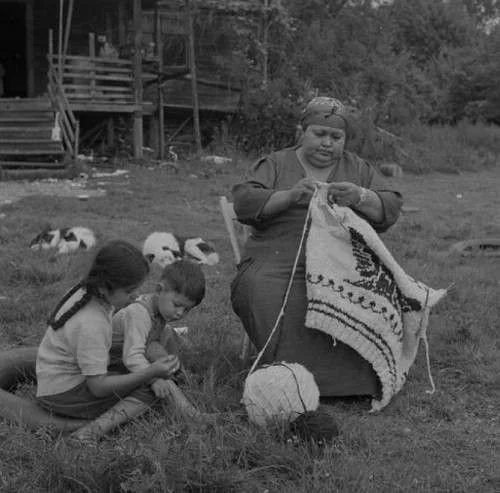
It challenges menswear to look beyond aesthetics and ask harder questions about origin, value, and respect.
For AVANT Magazine, the Cowichan sweater is not nostalgia, it is a case study in what true heritage really means.