Ivy Style: The exhibition that defined the history of Ivy League menswear
Few styles in menswear have shaped modern fashion as profoundly as Ivy Style. Rooted in the campuses of America’s elite universities, the Ivy League look became a defining expression of mid-century American menswear, influencing everything from tailoring and sportswear to contemporary heritage brands.
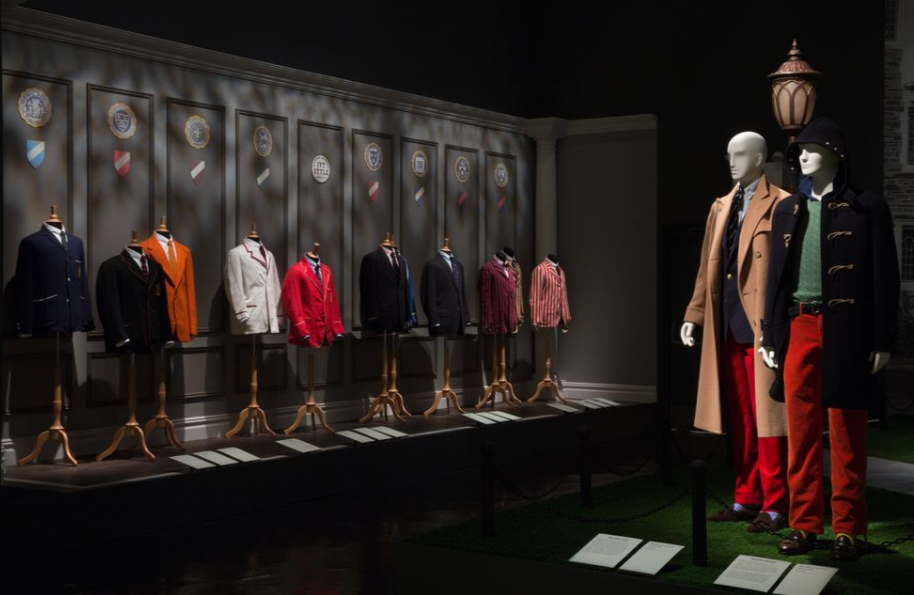
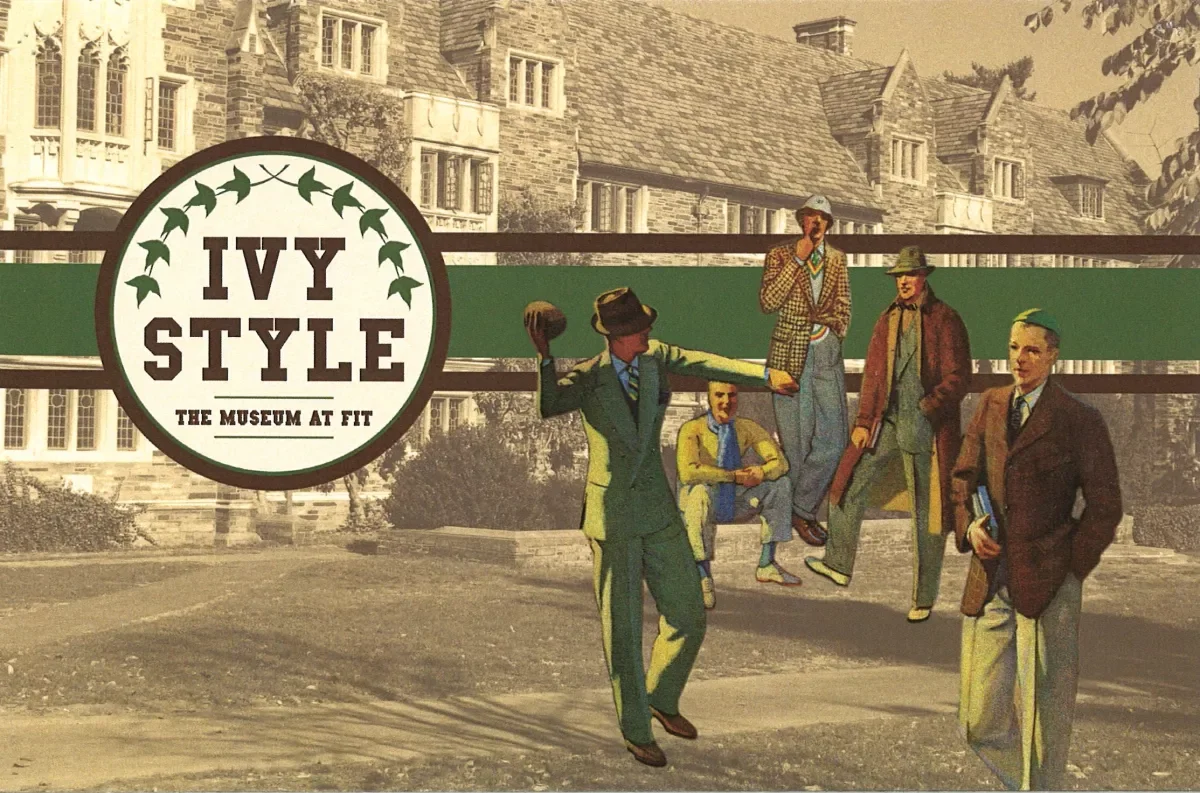
Exhibition “Ivy Style” from The Museum at the Fashion Institute of Technology.
In 2012–2013, the Museum at the Fashion Institute of Technology presented a landmark exhibition dedicated entirely to this aesthetic: “Ivy Style.”
Curated by Patricia Mears, the exhibition explored nearly a century of Ivy League fashion history, tracing how a collegiate dress code evolved into a global cultural phenomenon.
More than a nostalgic look at preppy clothing, the exhibition revealed how Ivy style became one of the most enduring and recognizable traditions in American menswear.
The Origins of Ivy League Style
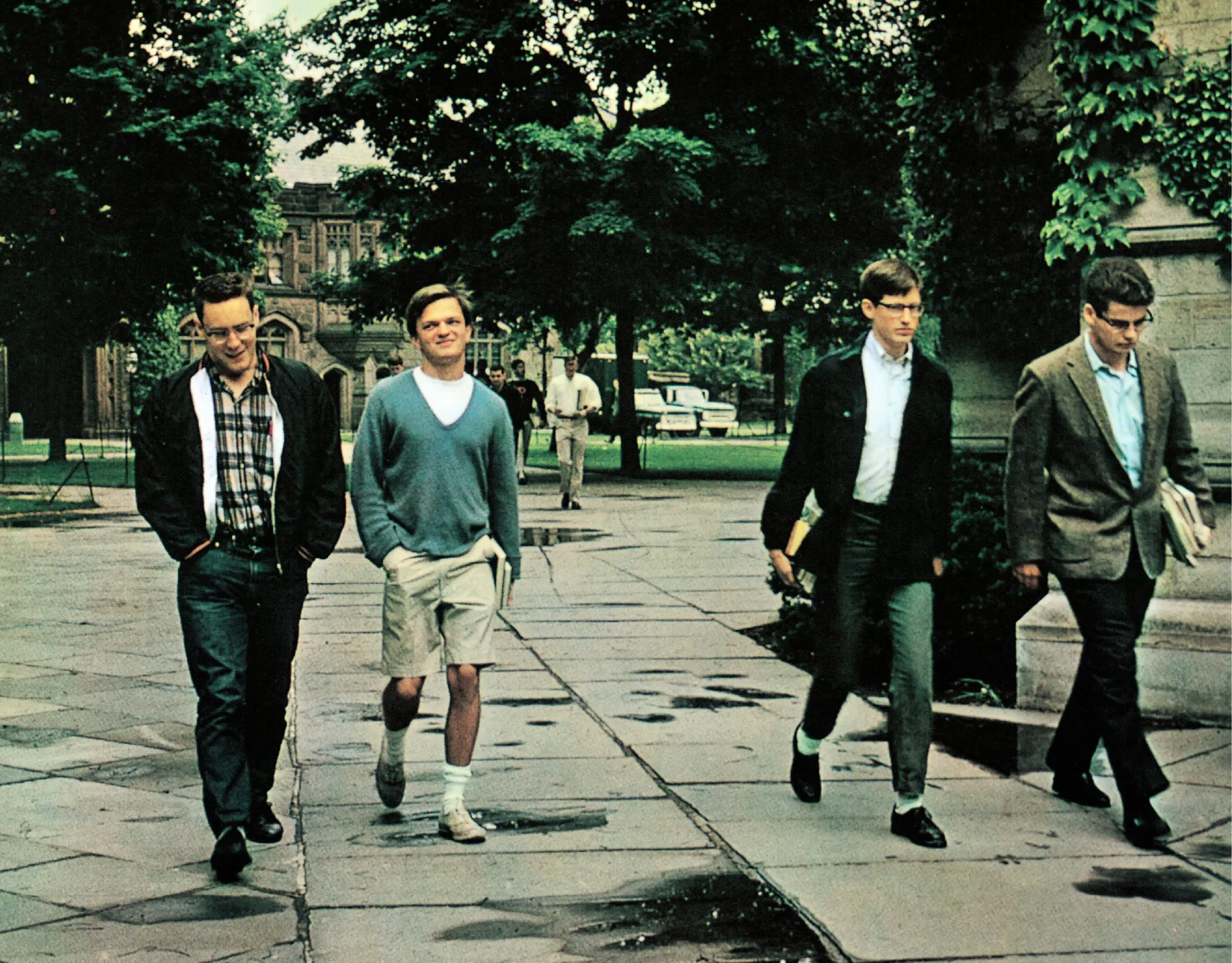
The roots of Ivy League style can be traced to the early twentieth century, when students attending universities such as Harvard, Yale, and Princeton (known as the Big Three) began shaping a distinctive approach to dressing.
Inspired partly by British tailoring traditions from Oxford and Cambridge, American students adapted these influences to suit campus life. The result was a wardrobe that combined comfort, practicality, and understated elegance.
Key elements of the Ivy wardrobe emerged during this period:
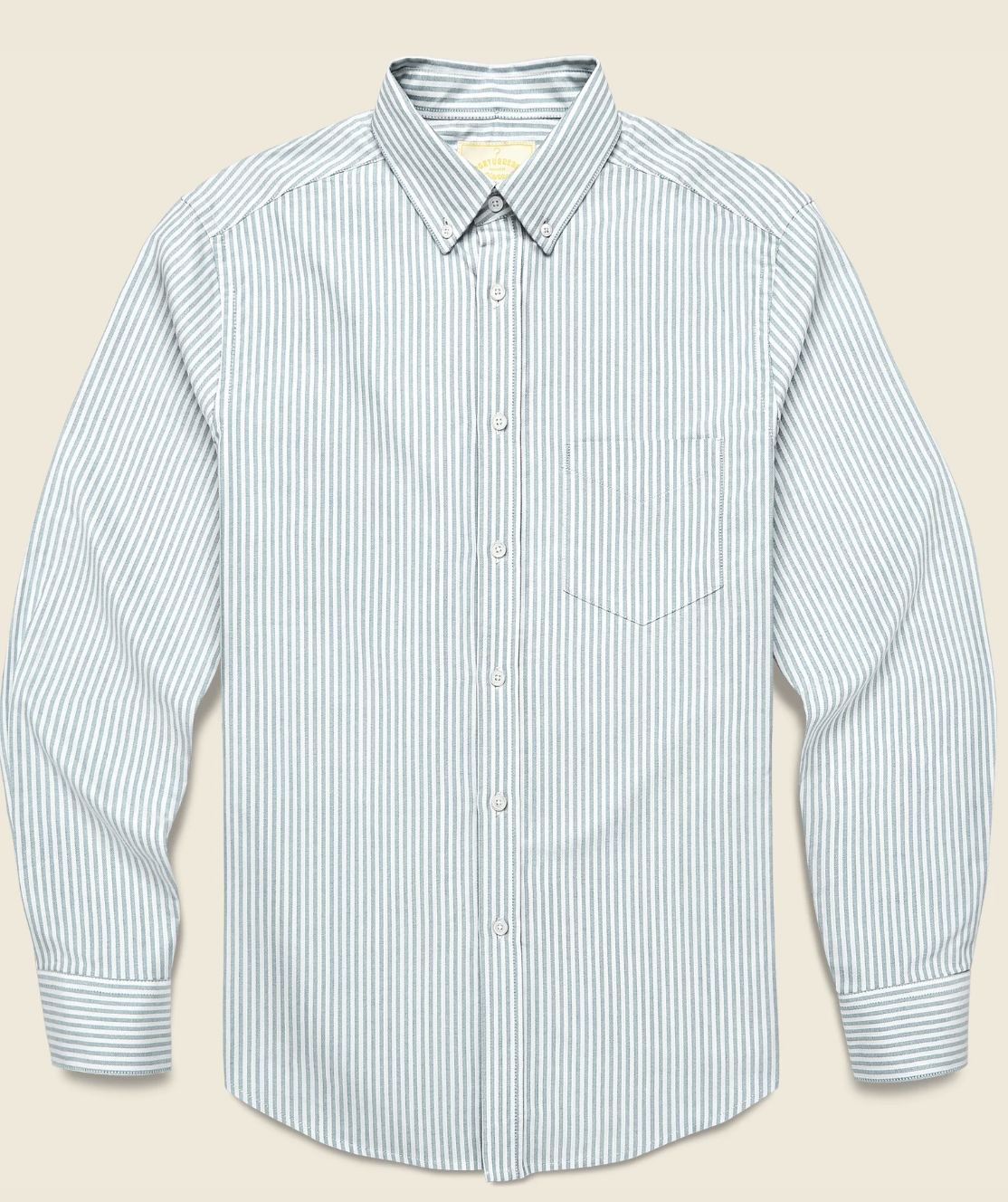
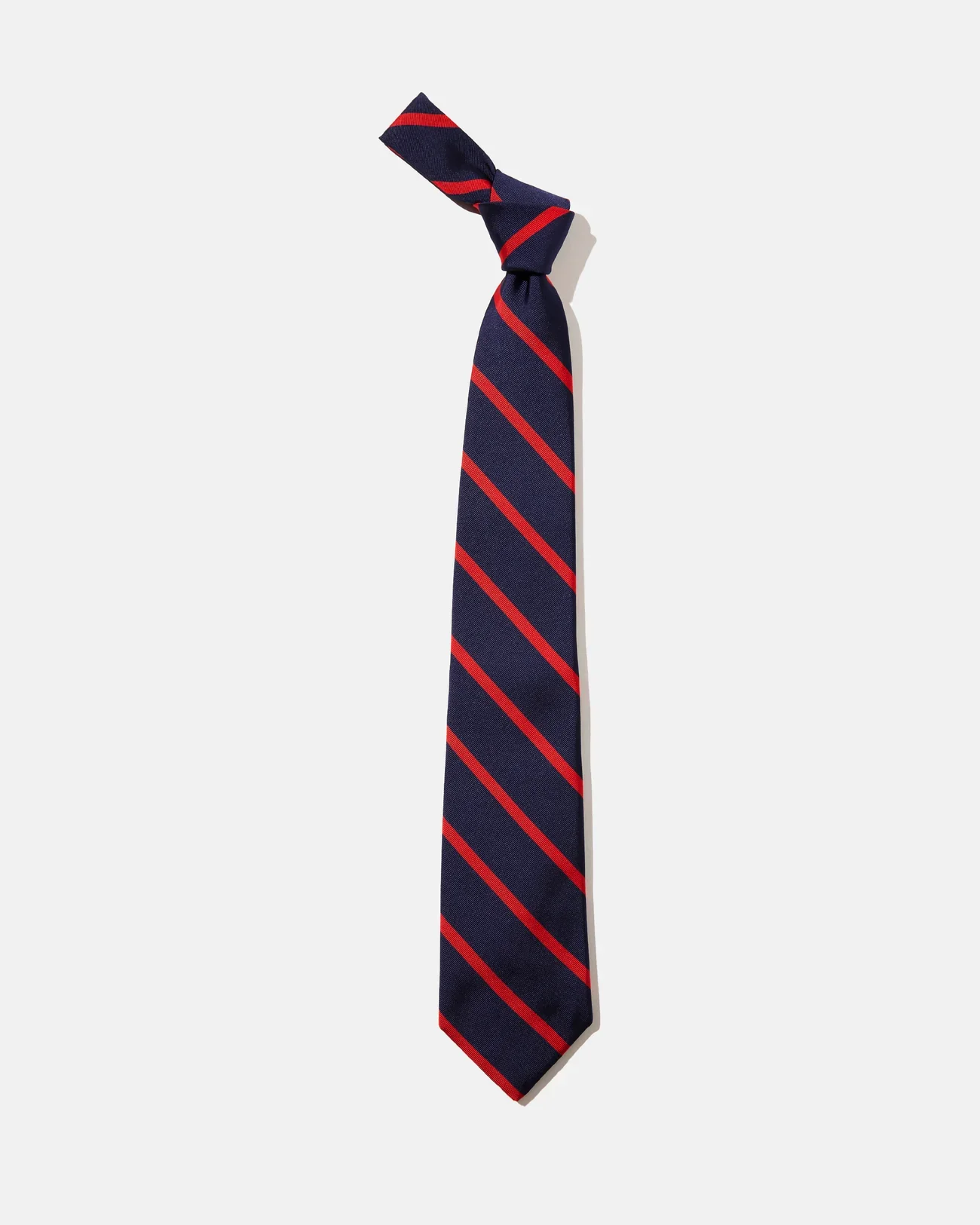
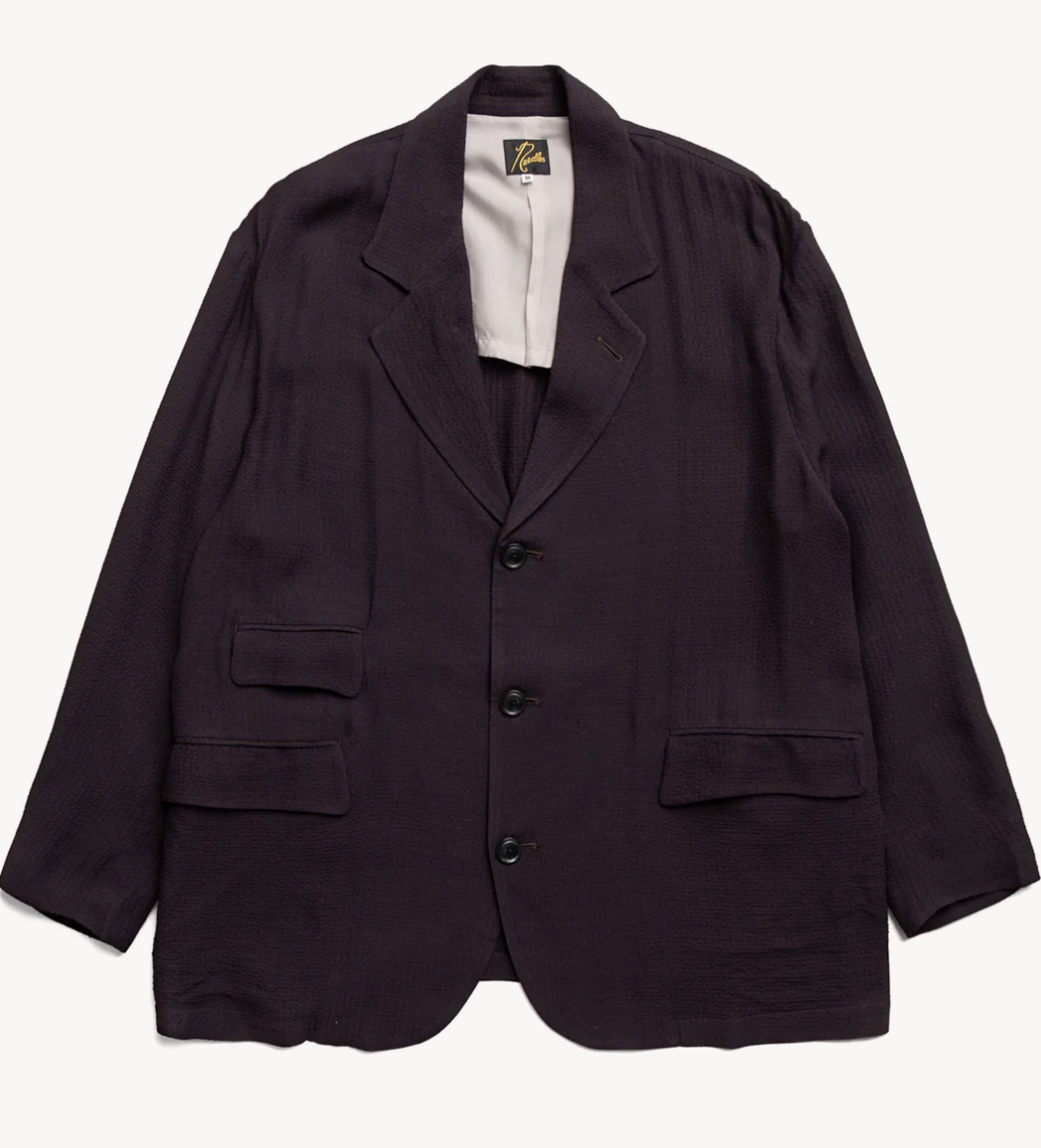
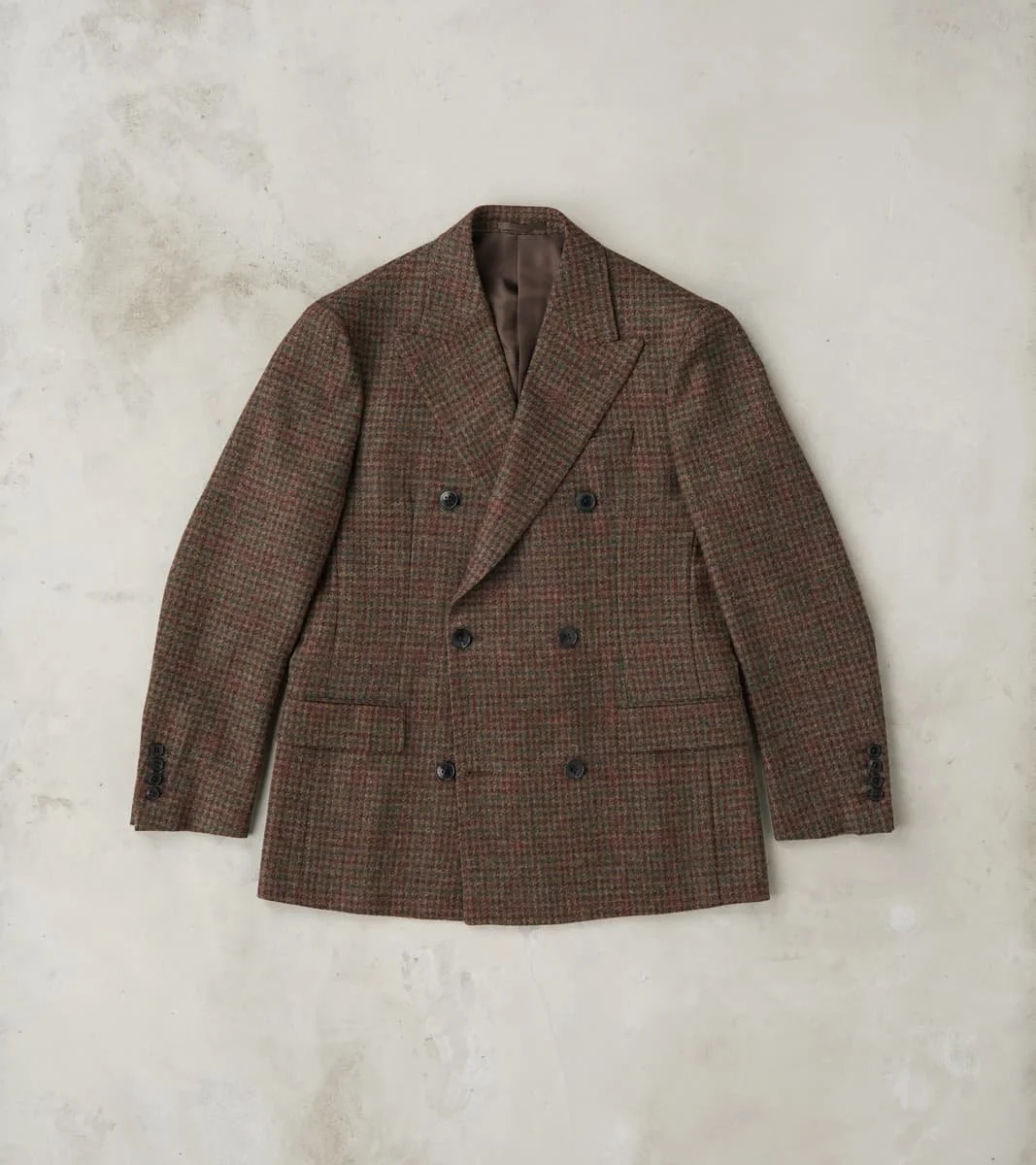
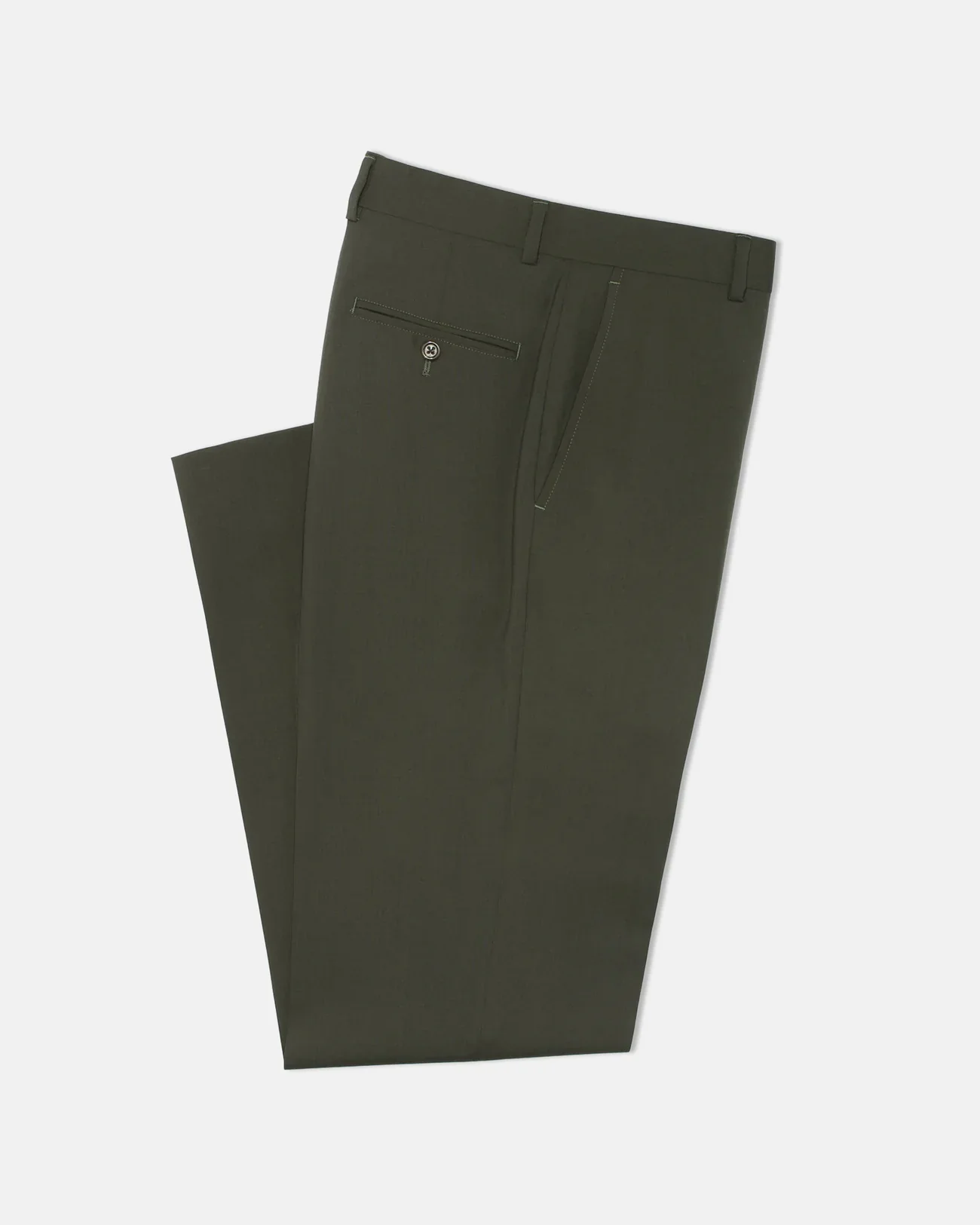
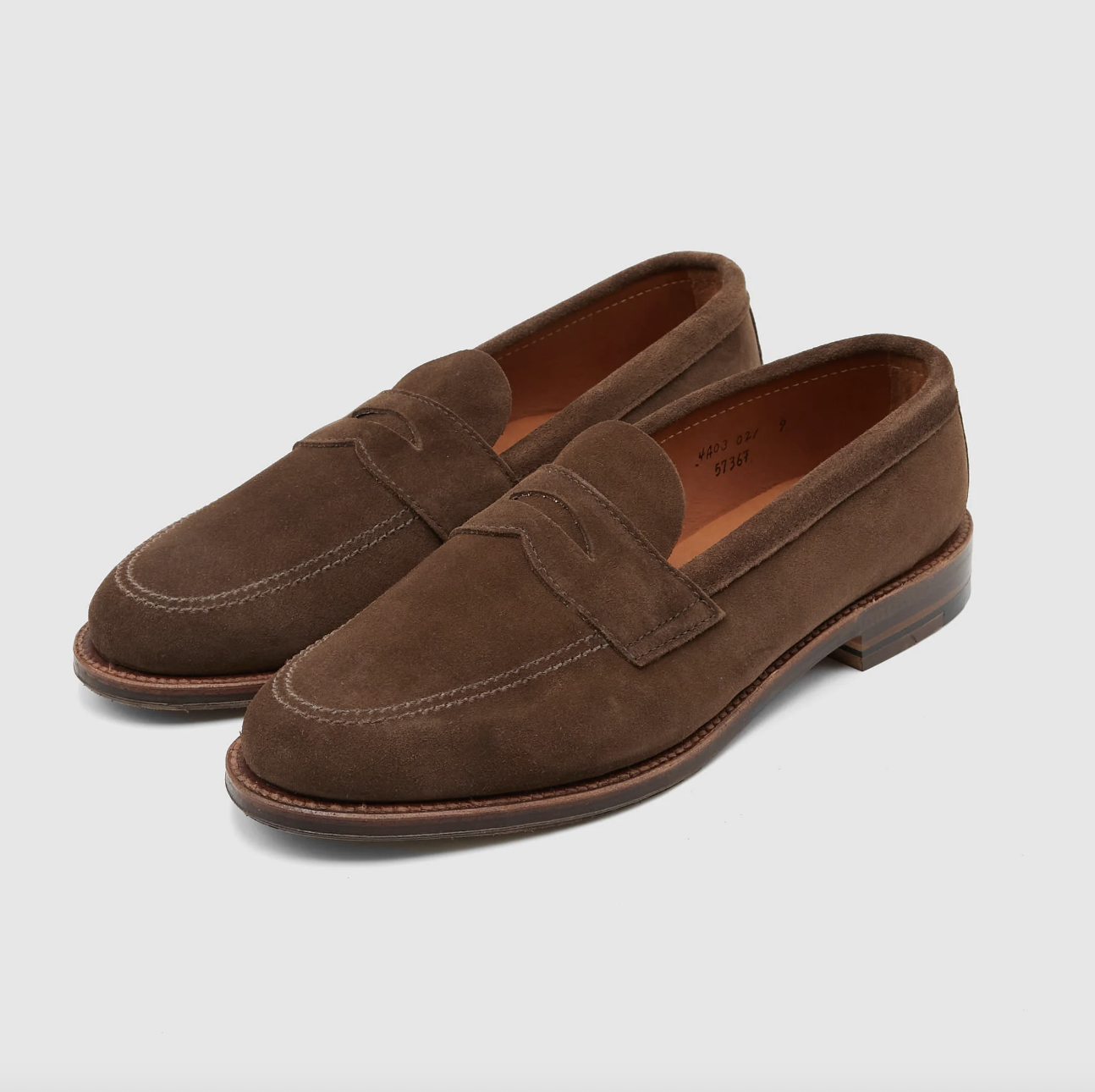
Outfitters such as Brooks Brothers and J. Press helped codify the look, creating garments specifically for college students.
Unlike traditional European tailoring, Ivy clothing emphasized soft construction and relaxed silhouettes, making it ideal for everyday academic life.
From Campus Uniform to American Cultural Icon
By the 1950s and 1960s, Ivy style had moved far beyond university campuses. It became a symbol of modern American identity and was adopted across social and cultural circles.
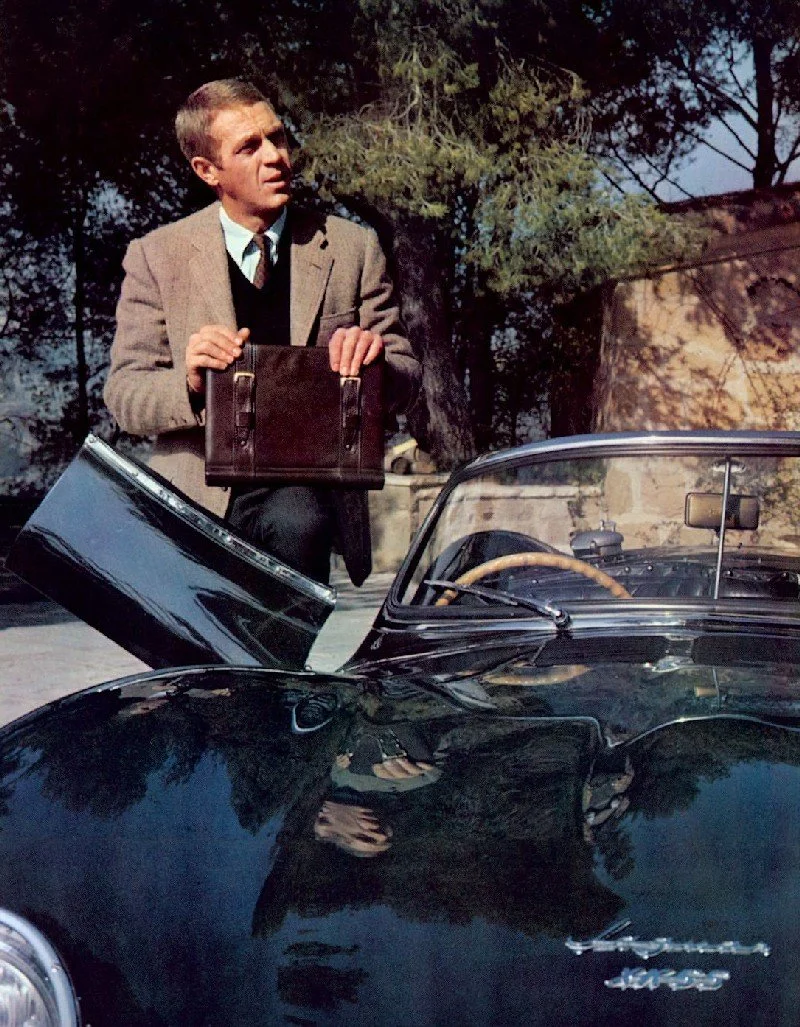
Steve McQueen, courtesy of Ivy Style
Hollywood actors like Steve McQueen and Paul Newman embraced the look, while jazz musicians such as Miles Davis incorporated Ivy clothing into their distinctive personal styles.
At the same time, the aesthetic appeared in magazines, advertising campaigns, and department stores across the United States. The “Ivy League look” became shorthand for clean, intelligent, and effortless American style.
During the postwar decades, it also influenced youth subcultures, from East Coast prep schools to West Coast collegiate culture, cementing its place in fashion history.
Inside the “Ivy Style” Exhibition at FIT
The Ivy Style exhibition presented approximately sixty ensembles spanning from the 1910s to contemporary interpretations of the look.
Rather than a conventional gallery, the exhibition recreated environments inspired by university life. Visitors moved through installations designed to resemble Ivy League campus quads, student dormitories, athletic clubs and collegiate outfitters.
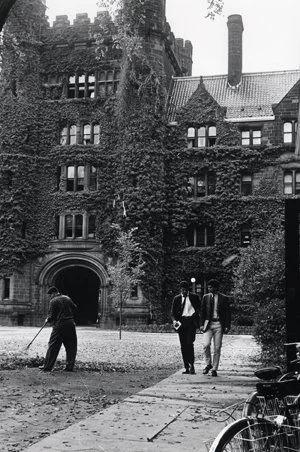
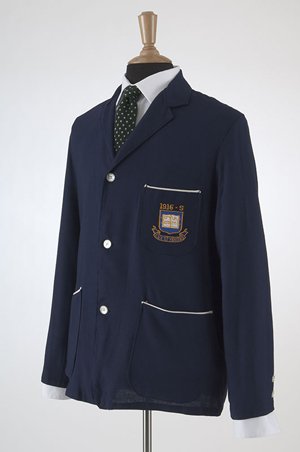
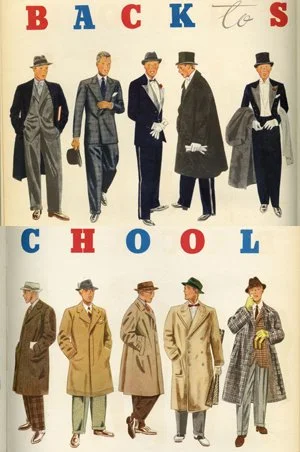
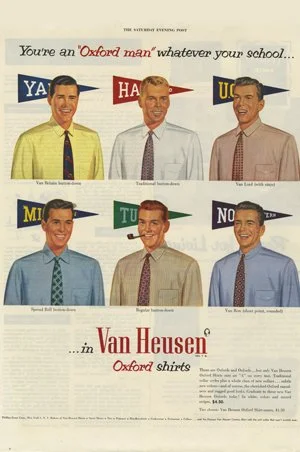
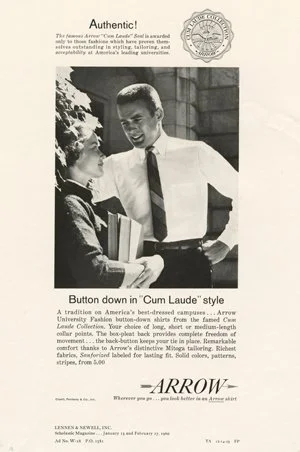
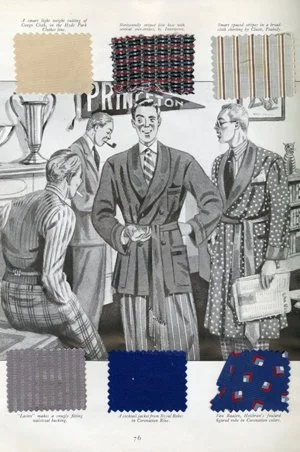
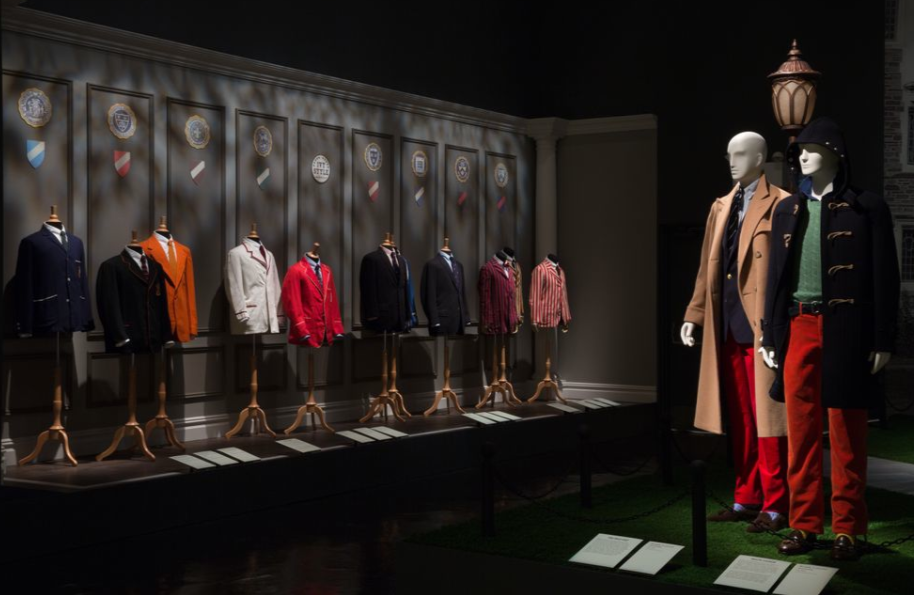
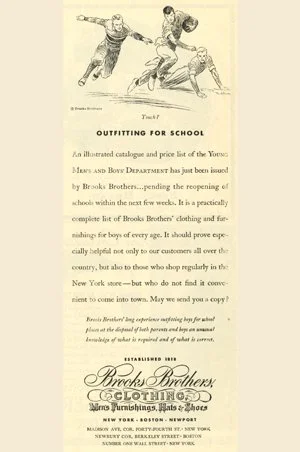
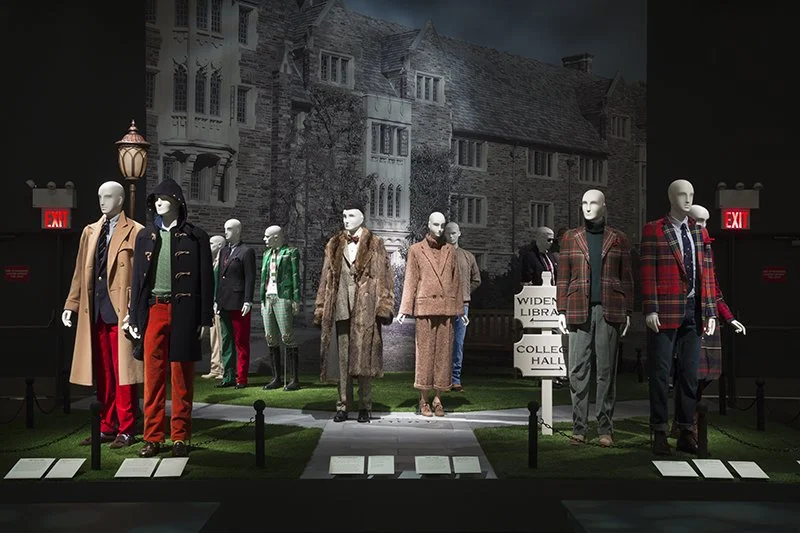
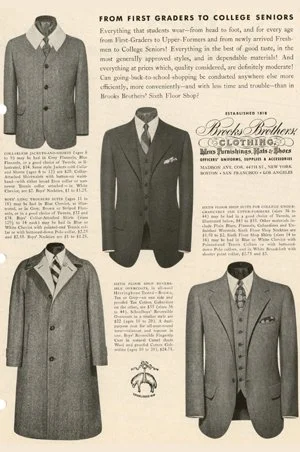
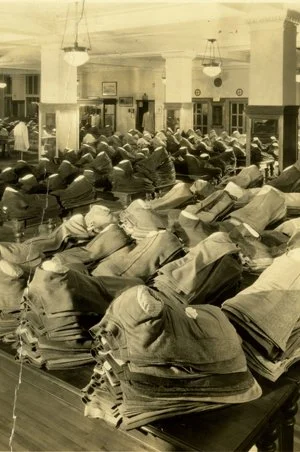
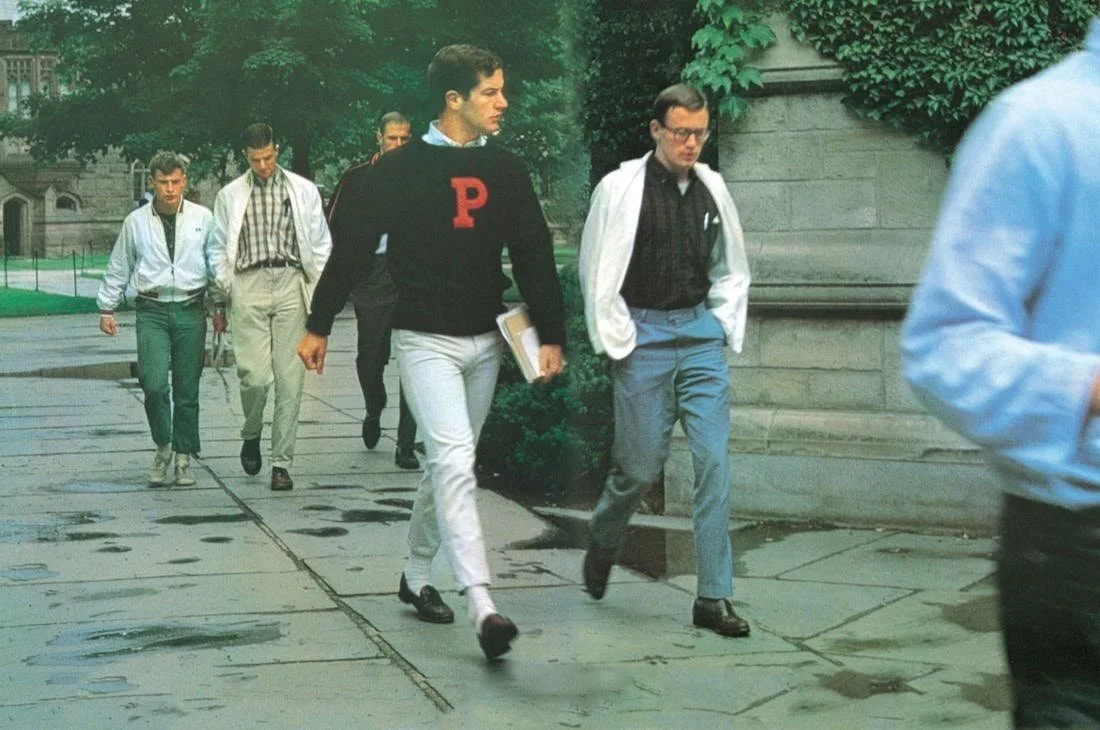
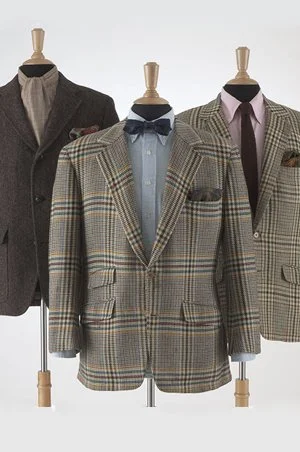
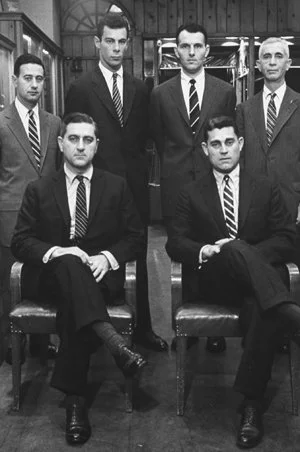
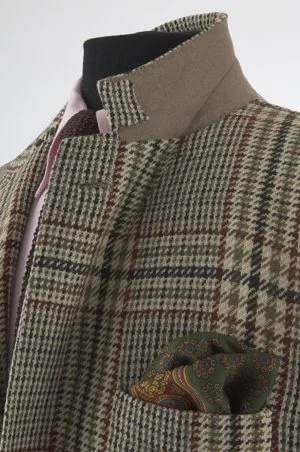
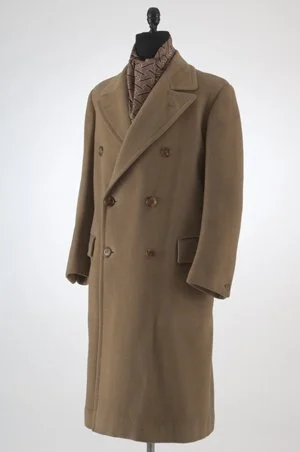
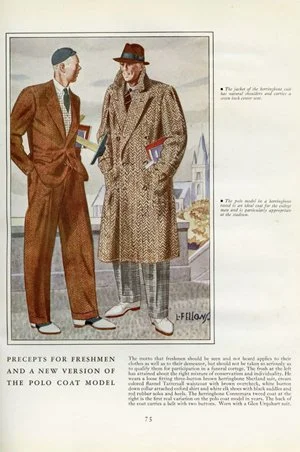
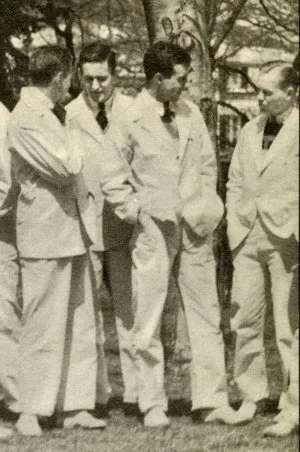
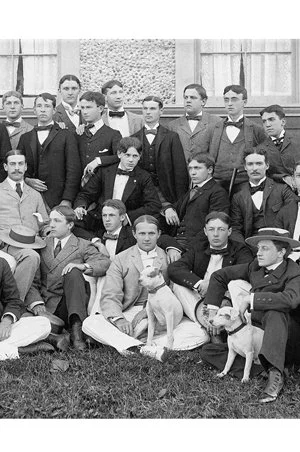
This immersive staging allowed visitors to understand how clothing functioned within everyday campus culture.
Among the standout pieces were classic raccoon coats from the 1920s, mid-century sack suits, varsity sweaters, and iconic Oxford shirts, garments that collectively shaped the visual language of Ivy style.
How Ivy Style Conquered the World
One of the most fascinating sections of the exhibition examined the global influence of Ivy League fashion.
During the second half of the twentieth century, the style spread far beyond the United States. Nowhere was this adoption more passionate than in Japan, where magazines and retailers embraced Ivy clothing with extraordinary enthusiasm.
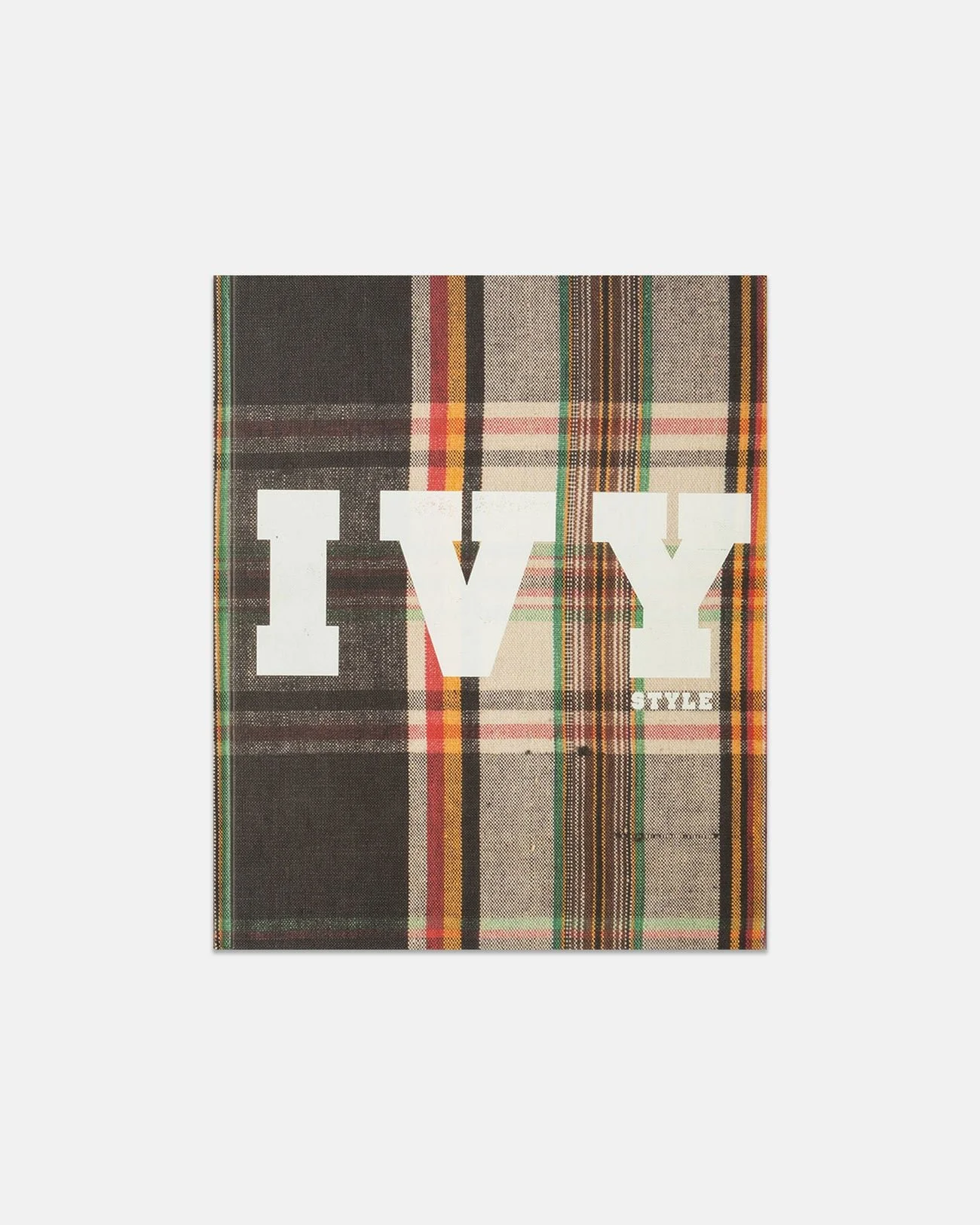
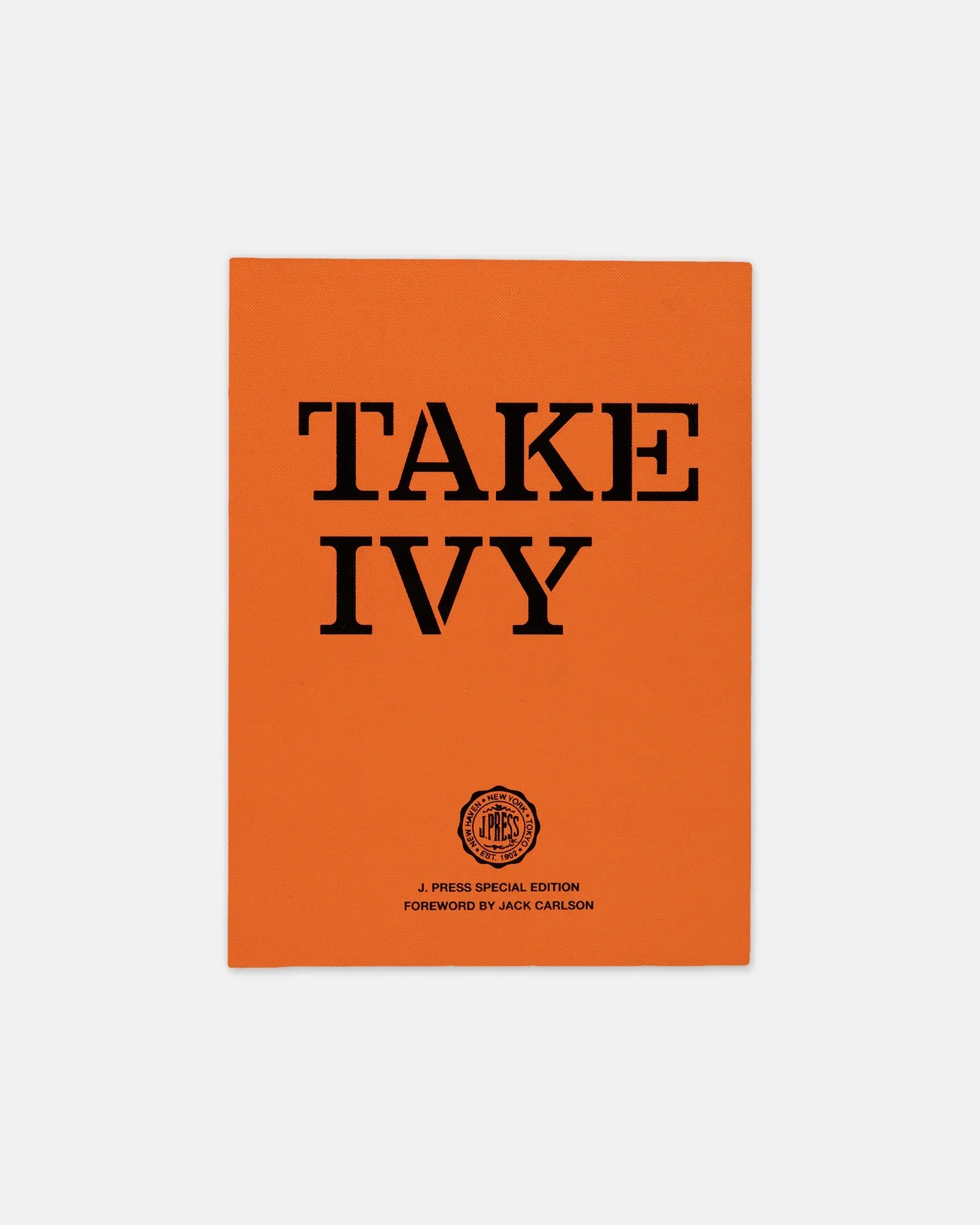
Publications such as “Ivy Style” or “Take Ivy” documented American campus fashion and helped introduce the aesthetic to a new generation of enthusiasts overseas.
Japanese brands and designers later refined and preserved the Ivy tradition, contributing to the ongoing global appreciation for classic American heritage clothing.
Why Ivy Style is still desirable
More than a century after its emergence, Ivy style remains a cornerstone of modern menswear.
Many of today’s heritage brands, contemporary designers, and vintage enthusiasts continue to reference its core garments. These pieces form a timeless wardrobe that balances elegance, practicality, and cultural heritage.
The Ivy Style exhibition at FIT demonstrated that what began as a collegiate dress code ultimately became one of the most influential style movements in fashion history: a testament to the enduring appeal of well-made, understated clothing.
Go Further
Sources such as Ivy Style and Preppy Handbook Fan Club are great sources of inspiration. Make sure you follow them on instagram @preppyhandbookfanclub @ivy_style_com
Tom Hoy, menswear writer and content creator, wrote a book called Easy on The Ivy. It’s also the name of his Substack, highly recommended !
If you’re in doubt, J. Press is currently the best brand to invest in when it comes to Ivy style.