Ralph Lauren: The Power of Family
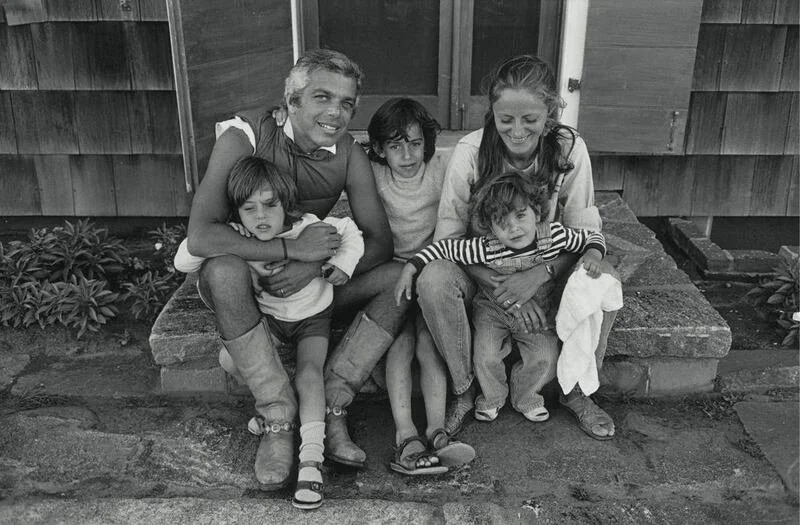
Picture of the Lauren’s family in 70s.
Ralph Lauren has never been a solitary figure. His image has always been inseparable from that of his family.
From the very beginning, his world was populated by the same faces, the same settings, the same codes.
His wife, Ricky Lauren, was not cast into a narrative: she belonged to it. His children, David Lauren, Andrew Lauren and Dylan Lauren, did not serve the story; they grew within it.
At a time when fashion cultivated distance, Ralph Lauren introduced something else entirely: proximity.
What appeared to be storytelling was, in fact, continuity.
A brand built on something deeper than fashion
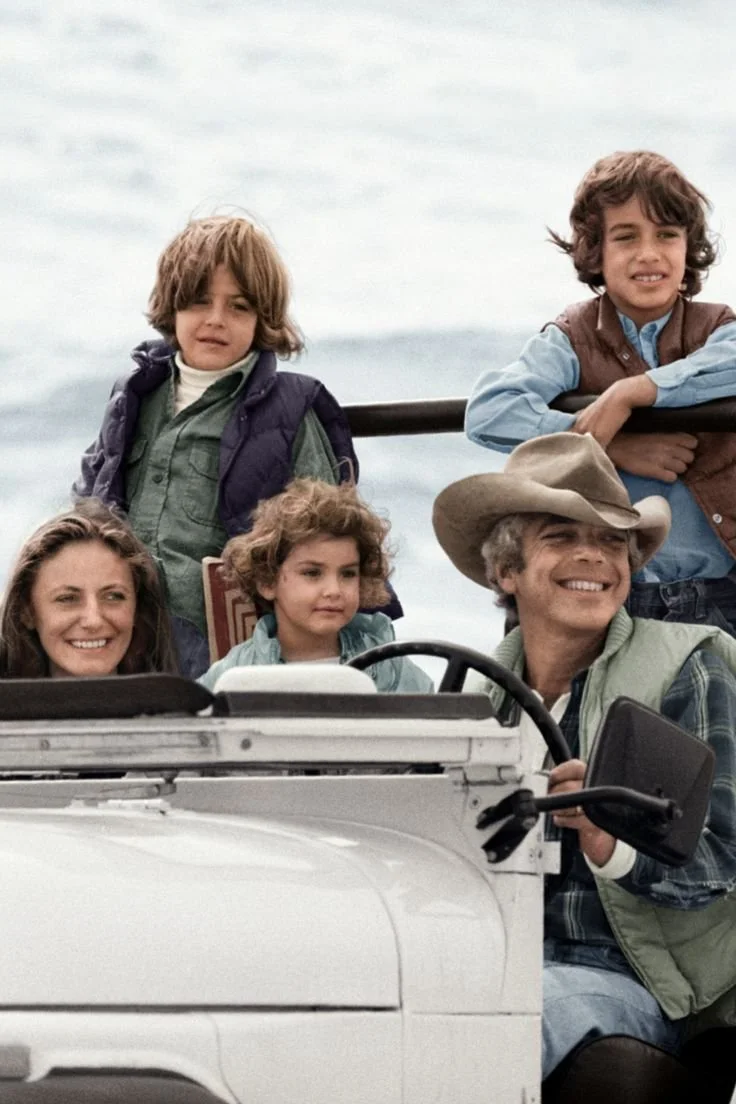
Ralph Lauren, Ricky Lauren and their children Andrew, David & Dylan.
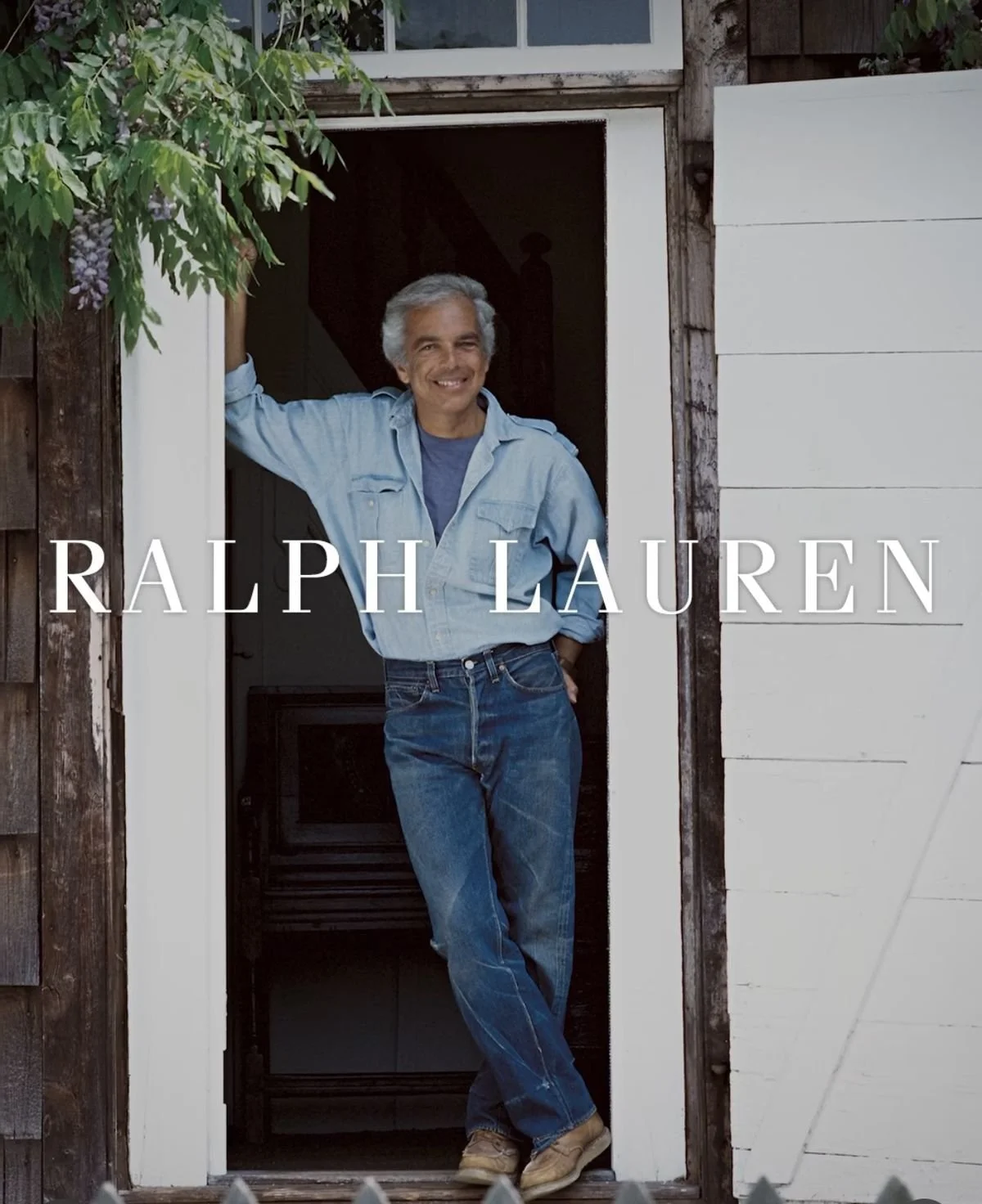
Ralph Lauren standing in front of a door’s property, symbol of Americana and American Dream
To understand why family is rising, it is necessary to look beyond fashion, and into what Ralph Lauren was actually translating.
His references were always cultural : Workwear, Ivy League, the American West… these are not trends.
They are systems of life, each rooted in continuity, discipline, and transmission. Over decades, he maintained the same silhouettes (the perfect americana style) , the same environments, the same relationships. This was not repetition for consistency’s sake, but a reflection of something more structural.
Ralph Lauren didn’t just design clothes. He translated a culture.
Americana: a culture of inheritance
What we define as Americana has never been driven by novelty. It is built on permanence.
Workwear was designed to last, to be worn daily, repaired, and often passed from one generation to the next. Denim was not a seasonal product, but a fabric that recorded time, aging with its owner. In the American West, clothing was inseparable from land, family, and transmission. Even Ivy League style carried the idea of inherited codes, a way of dressing that signaled belonging rather than individuality.
In this context, clothing is not expressive in the modern sense.
It is functional, symbolic, and generational.
Family is not a theme within Americana: it is its foundation.
Ralph Lauren’s genius was not to invent this system, but to make it visible and desirable.
A changing world gives new meaning to this model
What once felt natural now feels increasingly rare.
According to the World Bank, global fertility rates have declined by more than half since 1960. Across Europe, birth rates have reached historic lows. The United Nations identifies this decline as one of the defining demographic shifts of our time.
Family is no longer a given structure.
It is becoming more deliberate, less frequent, and increasingly fragmented.
As this happens, its meaning evolves.
When reality fades, symbolism grows
Cultural value rarely disappears: it transforms.
As family becomes less present in everyday life, it gains strength in representation. It is no longer simply lived; it is imagined, idealized, and projected. This shift explains why imagery rooted in continuity (shared spaces, generational dressing, domestic intimacy) resonates more strongly today. We’ve also seen it with the rise of the tradwife.
Ralph Lauren’s world, once associated with nostalgia, now aligns with a contemporary desire for stability.
Not because it looks to the past, but because it offers something increasingly absent in the present.
From self-expression to transmission
For years, fashion has been dominated by the language of individuality. Identity was something to construct, refine, and display.
That paradigm is shifting.
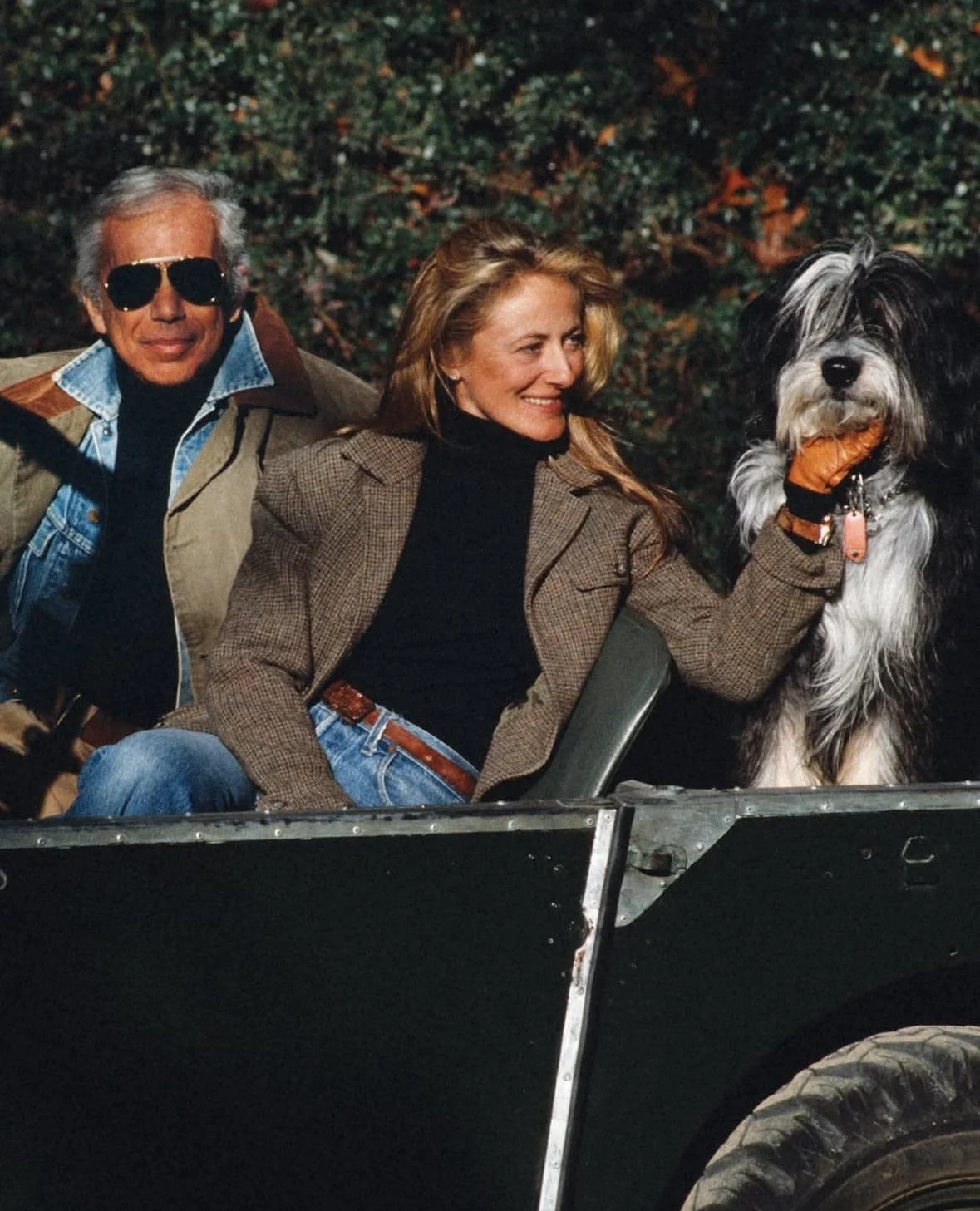
Ralph Lauren and his wife, Ricky Lauren.
Identity is becoming less about differentiation and more about connection. It is expressed through relationships, through continuity, through what is shared rather than what is singular. This evolution can be seen in the growing presence of couples, families, and generational narratives in fashion imagery, but also in the renewed interest in garments that endure beyond seasons.
Clothing is no longer only a tool of self-definition.
It becomes a medium of transmission.
The brands that already understand this
Across the industry, different brands are approaching this shift from distinct angles.
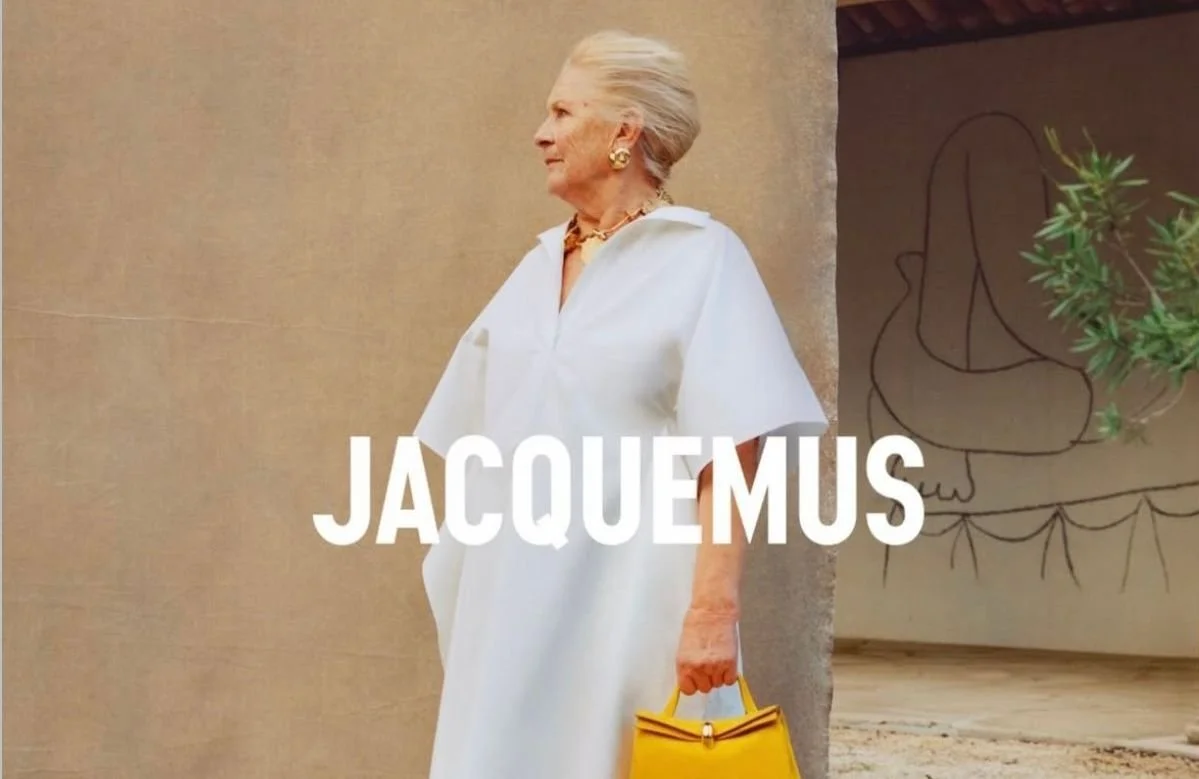
Liline, grandmother of Jacquemus and muse of the designer.
Jacquemusbuilds its narrative through memory, drawing directly from personal history and elevating family into a creative origin.
Zegna embodies continuity at a structural level, where family informs governance and long-term vision.
Loro Piana expresses inheritance through atmosphere, creating worlds that feel lived-in rather than constructed.
And Brunello Cucinelli frames family as philosophy, embedding it within a broader reflection on ethics, work, and responsibility.
Each reflects, in its own way, a return to continuity.
But none has articulated it as completely as Ralph Lauren.
A new definition of luxury
This shift is not only aesthetic. It is economic and cultural.
Insights from McKinsey & Company highlight a growing preference for durability, longevity, and emotional value. Objects are increasingly chosen for their ability to remain relevant, to age well, and to carry meaning over time.
Luxury is no longer defined solely by rarity or price.It is defined by what can endure. And more importantly, by what can be passed on.
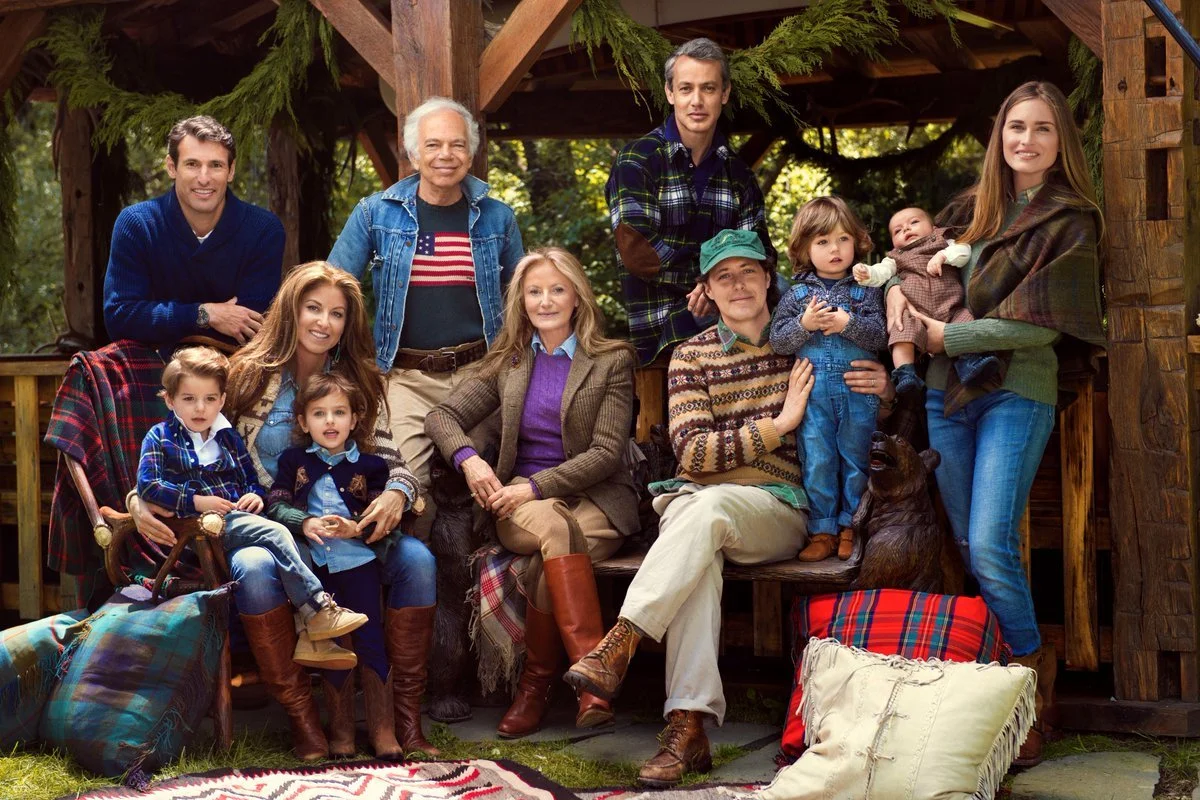
Ralph Lauren did not anticipate a trend.
He revealed a structure that already existed within Americana.
A structure built on continuity, transmission, and family.
Today, as demographic shifts redefine the place of family in society, that structure is being rediscovered, not as nostalgia, but as necessity.
In Americana, style was never about constant reinvention.
It was about what you keep, what you wear again, and what you pass on.
Fashion is only now beginning to understand that.
The role of independent publications today
At AVANT, we have always approached Americana in this way: not as a trend, but as a cultural system built on continuity, craftsmanship, and transmission.
Each issue documents these worlds, these garments, and the people behind them, with the same intention: to preserve what deserves to be passed on.
Because if fashion is moving toward inheritance, then media must do the same.
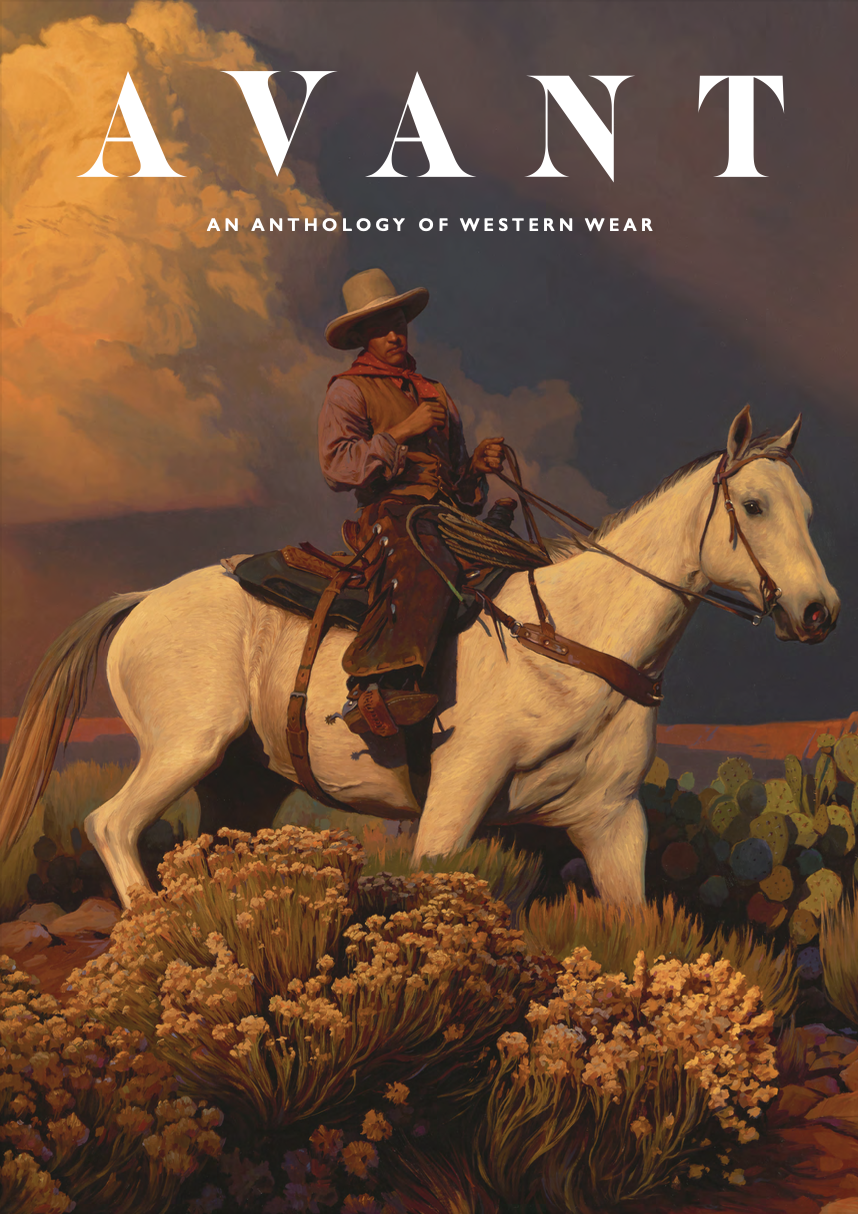
Inside you’ll discover
• The origins of the American cowboy and how the first cattlemen shaped the culture of the West.
• How painters, photographers and Hollywood helped build the myth of the cowboy and turned Western style into a global symbol.
• The evolution of Western clothing through two iconic garments: the Western shirt and the legendary Stetson hat.
• Conversations with passionate figures of the Western world, including Cowboy Phil Rupp, Courtenay De Hoff, Sergio Guardi of Barbanera, and vintage collector Bernie McMahon.
• A deep dive into the heritage of the American West and the lasting influence of Western garments on modern style.
Specs
Softcover
170 × 240 mm
Full color
Language: English
Shipping: Worldwide
📍 Worldwide Shipping France/EU: €5–15 | UK: €12–18 | US/Canada: $10–15 | Asia/Other: €40–60
💡 Bundle tip: Buy 2+ items in one order = lower shipping cost per item
✓ Exact cost calculated at checkout

A second deep dive into the most collectible American workwear ever made. The kind of details only true obsessives notice.
Inside you’ll discover
Chinese immigration during the Gold Rush — a forgotten chapter of American history
The true story behind rare Levi’s jeans from 1880, discovered in a California mine
Collector details decoded: chinstrap, vent holes, and other workwear “tells”
Interviews with legends: Lynn Downey (Levi’s historian), Rin Tanaka, Larry McKaughan, Akira Tsuchida, Michael Harris
A unique cover painting Three Horse Power by Greg Newbold, created exclusively for AVANT
Specs
Softcover
170 × 240 mm
Full color
Language: English
Shipping: Worldwide
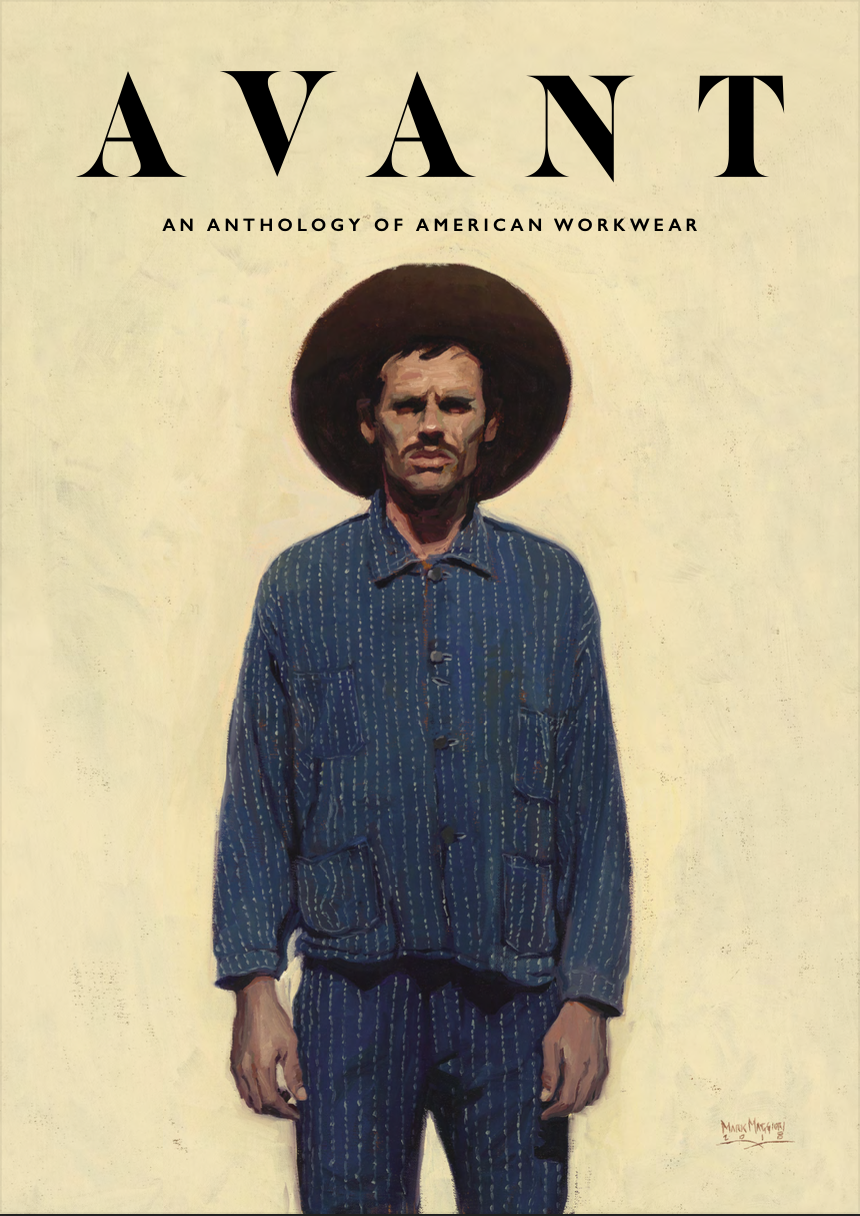
Inside, you’ll discover
• The origins of American workwear during the California Gold Rush and how practical garments shaped the identity of the American frontier.
• Conversations with denim archeologist Brit Eaton and Rin Tanaka, founder of The Inspiration Show, two key figures in the world of vintage workwear.
• A deep dive into denim hunting with collectors Bryan Kahtava and Melody Kahtava, sharing their passion for rare historical garments.
• The story of Jacob Davis, the tailor who invented the copper rivet and forever changed the history of denim.
• A visit to United Costume, one of Hollywood’s most respected costume houses, preserving authentic American workwear for film productions.
• An exploration of the deep admiration for American workwear culture in Japan, where collectors and brands have helped preserve its heritage.
• A practical guide to identifying the era of a garment through its label, along with a historical journey into the true story of the California Gold Rush.
Specs
Softcover
170 × 240 mm
Full color
Language: English
📍 Worldwide Shipping France/EU: €5–15 | UK: €12–18 | US/Canada: $10–15 | Asia/Other: €40–60
💡 Bundle tip: Buy 2+ items in one order = lower shipping cost per item
✓ Exact cost calculated at checkout